

The Myth's Origin Story
The popular belief that houseplants are powerful air purifiers can be traced back to a 1989 NASA study. Researchers were looking for ways to clean the air in sealed environments like space stations. They placed common houseplants in small, sealed chambers
and injected volatile organic compounds (VOCs) like benzene and formaldehyde. The results were promising: the plants did absorb some of the pollutants. This finding was widely publicised, and the idea of 'air-purifying plants' took root, spawning countless articles and product lists featuring peace lilies and spider plants as must-haves for a healthy home.
From Sealed Chamber to Living Room
The problem is that our homes are not small, sealed space stations. The NASA study was conducted under highly controlled laboratory conditions that don't reflect a typical home or office. More recent analyses have pointed out that to achieve the air-cleaning effects seen in the lab, you would need an enormous number of plants. One 2019 review concluded you'd need between 10 and 1,000 plants per square metre to make a significant difference. For an average 1,500-square-foot home, that could mean over 680 plants. The natural ventilation in a building, even a well-sealed one, does far more to remove VOCs than a reasonable number of houseplants ever could.
Don't Ditch Your Plants Just Yet
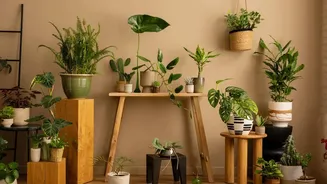
So, if they aren't miracle air filters, are houseplants a waste of space? Absolutely not. While their effect on air pollution may be negligible, their impact on our mental well-being is well-documented. Studies have shown that interacting with indoor plants can reduce both psychological and physiological stress. Caring for plants can lower cortisol levels, the body's stress hormone, and reduce heart rate and blood pressure. They make us feel calmer, more focused, and happier, which are significant health benefits in their own right. Bringing nature indoors connects us to the outside world and adds beauty and life to our environment.
What Actually Cleans Indoor Air
If you are genuinely concerned about indoor air quality, there are far more effective strategies than buying a few extra snake plants. According to the U.S. Environmental Protection Agency (EPA), the best approach is source control—eliminating or reducing pollutants in the first place. This can mean choosing low-VOC paints and furniture, avoiding harsh chemical cleaners, and not smoking indoors. The second-most effective strategy is ventilation. Simply opening your windows and doors to let fresh air circulate can dramatically improve indoor air quality. For those with specific concerns or in areas with poor outdoor air, mechanical solutions like air purifiers with HEPA filters are a proven and effective option.