


Why Lush Growth is a Drainage Risk
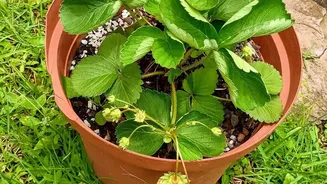
A season of vigorous growth is a sign of a happy garden, but it creates the perfect conditions for drainage failure. As plants grow larger, their root systems expand, sometimes becoming so dense they form a tight mat at the bottom of the pot. Over time,
these roots can physically block the drainage holes. Simultaneously, the potting mix itself compacts with each watering, reducing the air pockets that allow water to flow freely. Add to this the natural accumulation of fallen leaves and organic debris on the soil surface, and you have a recipe for a clog. The very success of your garden creates a maintenance blind spot that many gardeners overlook until it's too late.
Silent Symptoms of a Clogged Pot
Plants often show subtle signs of distress before a drainage problem becomes critical. The most common and counterintuitive sign is wilting, even when the soil feels moist. This happens because waterlogged roots can't absorb oxygen and begin to rot, preventing them from taking up water. Other key symptoms include yellowing leaves, especially on the lower parts of the plant, and slow or stunted growth. You might also notice a musty, sour smell coming from the soil, or an increase in pests like fungus gnats, which are attracted to constantly damp conditions. If water pools on the surface for a long time after watering, consider it a major red flag.
The Risk Extends to Your Balcony
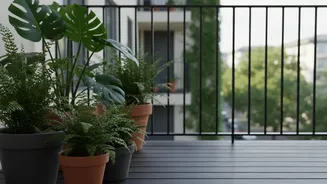
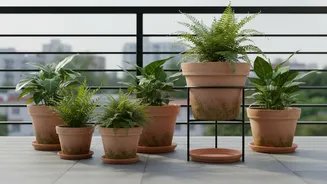
The problem isn't just about plant health; it's about protecting your home. When a pot overflows, the excess water has to go somewhere. Consistent overflow can lead to unsightly stains on your balcony floor and walls. More seriously, this water can seep into cracks in the concrete or penetrate waterproofing membranes, causing structural damage over time. In multi-storey buildings, this water can leak into the apartment below, causing ceiling damage and neighbourly disputes. What starts as a simple gardening issue can escalate into costly repairs and safety hazards, making drainage not just a horticultural concern, but a matter of property maintenance.
Your 5-Minute Drainage Audit
You don't need to be an expert to check your drainage. Perform this quick audit on your pots, especially the ones with the densest growth. First, water a pot thoroughly and start a timer. You should see water beginning to exit the drainage holes within a minute or two. If it takes much longer, or if no water comes out at all, you have a blockage. Next, carefully tilt the pot to one side. If a significant amount of water rushes out, it means water was trapped inside. Finally, inspect the drainage holes at the bottom. Are they blocked by a mass of roots or caked-on soil? Clearing these obvious blockages can provide an immediate, temporary fix.
Fixes and Long-Term Prevention
For an immediate fix, use a stick or a thin tool to gently poke through the drainage holes to break up any blockages. For a long-term solution, prevention is key. When potting or repotting, choose a high-quality potting mix and improve its drainage by adding materials like perlite or coarse sand. Ensure your pots have multiple, adequately sized drainage holes. A simple but highly effective trick is to use 'pot feet' or small bricks to elevate your containers slightly off the balcony floor. This gap allows air to circulate and water to escape freely, preventing the holes from getting sealed against the ground. Finally, always use saucers to catch excess water, but remember to empty them after watering. Letting a plant sit in a saucer full of water defeats the purpose of good drainage entirely.