







Choose Your Fabrics Wisely
The golden rule of rainy weather travel is simple: cotton is your enemy. Once wet, cotton clothes take forever to dry, become heavy, and can leave you feeling chilled and damp. Instead, build your travel wardrobe around synthetic, quick-drying fabrics
like polyester, nylon, and merino wool. These materials wick moisture away from your skin and dry out in a fraction of the time, even in high humidity. Think quick-dry t-shirts, synthetic trousers, and lightweight fleece for layering. This one switch will dramatically improve your comfort.
Waterproof Your Gear in Layers
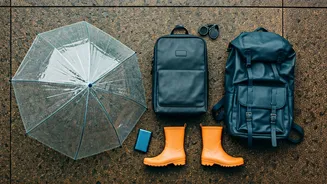
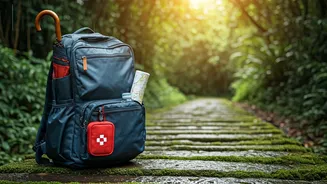
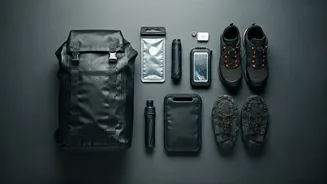
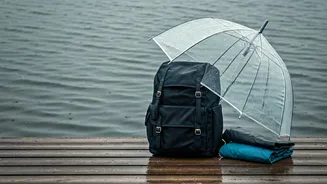
A waterproof jacket is a given, but true rain readiness is about layered protection. Start with a waterproof backpack cover; it's a small, inexpensive item that saves your entire bag's contents. Inside your bag, use dry sacks or even simple, large zip-lock bags to compartmentalise your belongings. Dedicate one for electronics, one for important documents like your passport and tickets, and another for a spare set of dry clothes. This 'bag-within-a-bag' strategy ensures that even if your main luggage gets wet, your most critical items remain completely protected.
Prioritise Your Footwear
Wet feet are a one-way ticket to discomfort and potential skin issues. While it's tempting to just pack a pair of rubber chappals, they often lack grip on slippery surfaces and offer no support. A better choice is a pair of sturdy, rubber-soled sandals with straps (often called 'floaters'). They are designed for wet conditions, offer good traction, and dry quickly. For treks or more active trips, invest in a pair of lightweight, waterproof hiking shoes, but make sure they are well-ventilated to avoid your feet getting sweaty and clammy.
Pack a Dedicated 'Wet Bag'
What do you do with a drenched raincoat or a used swimsuit? Stuffing them back into your main bag is a recipe for mildew and a suitcase full of damp-smelling clothes. The solution is a dedicated 'wet bag'. This can be a commercial reusable waterproof pouch or even just a few sturdy plastic bags. Use it to isolate wet and dirty items from your clean, dry ones. It’s a simple habit that keeps your luggage organised and fresh, no matter how many downpours you get caught in.
Embrace the Microfiber Towel
Hotel towels are bulky, and a standard cotton towel, once used, will likely stay damp for your entire trip. A travel-specific microfiber towel is a non-negotiable hack for rainy destinations. It’s incredibly lightweight, super absorbent, and dries astonishingly fast. You can use it after a shower, to dry off after being caught in a storm, or even to wipe down a wet bench. Wring it out, hang it up, and it will be ready to use again in no time.
Don't Forget Health and Comfort
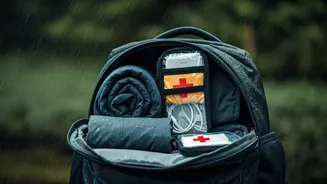
Damp environments can be a breeding ground for mosquitoes and fungal infections. Pack a reliable, DEET-based insect repellent and apply it diligently, especially during dawn and dusk. For your feet, a small container of antifungal powder can be a lifesaver. Dusting your feet and the inside of your shoes in the morning can prevent common skin irritations that thrive in damp conditions. A small, portable hairdryer can also be a multi-purpose tool, useful for drying out damp shoes or clothes in a pinch.
Build Flexibility into Your Itinerary
The most important hack is a mental one. Heavy rains can cause delays, wash out roads, and cancel outdoor activities. Instead of getting frustrated, plan for it. Have a list of interesting indoor alternatives like museums, local cafes, cooking classes, or covered markets. Check weather forecasts, but also talk to locals about conditions. Being mentally prepared to change your plans and go with the flow is the key to truly enjoying the unpredictable beauty of travelling during the rainy season.