





Why Monsoon is the Perfect Time to Garden
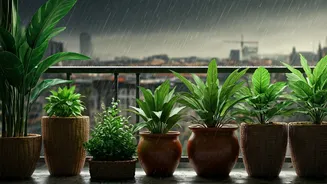
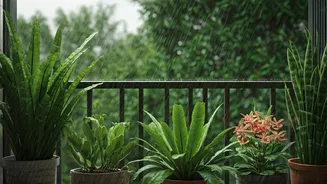
The Indian monsoon, typically lasting from June to September, offers a unique opportunity for urban gardeners. The consistent moisture, higher humidity, and cooler temperatures create ideal growing conditions for a wide variety of plants. [2, 11] For
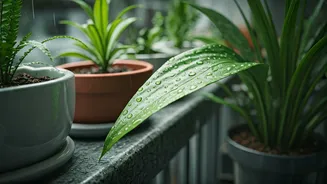
balcony gardeners, this means less time spent watering and more time enjoying the explosive growth that the season brings. The rains wash away dust, leaving foliage looking fresh and vibrant, while the humid air is loved by many tropical plants, encouraging lusher and faster growth than at any other time of year. [2, 3] This season isn't about plant survival; it's about helping them thrive.
Choosing Your Monsoon Winners
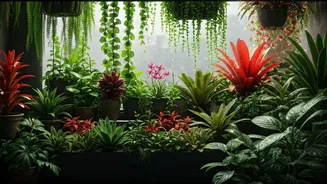
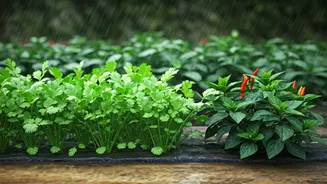
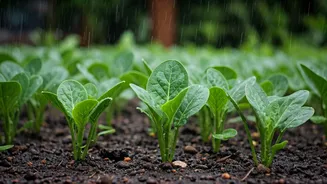
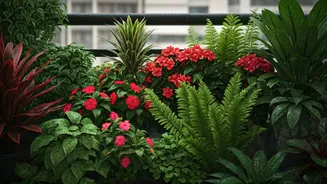
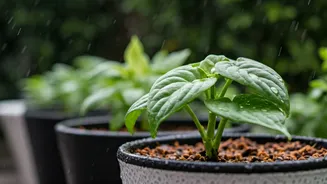
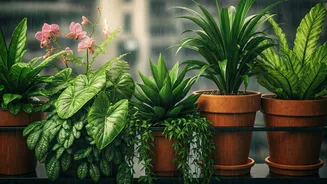
Selecting the right plants is the most crucial step for a successful monsoon balcony garden. Not all plants appreciate the constant dampness. [7] Opt for species that are known to thrive in humid and moist conditions. Flowering plants like Hibiscus, Marigold, and Balsam add vibrant colour and do well in the rain. [3, 10, 11] For lush foliage, consider humidity-loving plants like Monstera, Areca Palm, and various Ferns. [2, 4] If you're interested in an edible garden, now is the perfect time to grow herbs like mint and coriander, or vegetables such as spinach, okra, and various gourds. [2, 3] These plants are well-suited to container life and will reward you with a fresh harvest.
The Golden Rule: Mastering Drainage
The single biggest challenge during the monsoon is the risk of overwatering, which can lead to root rot. [5, 6] Proper drainage is non-negotiable. Ensure every pot has at least one, if not several, drainage holes to allow excess water to escape. [2, 5] You can improve drainage by creating a potting mix of garden soil, compost, and sand or cocopeat. [3] A simple but effective trick is to place a piece of broken pottery over the drainage hole before adding soil to prevent it from getting clogged. [2] Elevating your pots on bricks or stands is another excellent way to improve airflow and prevent them from sitting in stagnant water. [4, 13]
Essential Monsoon Plant Care
Monsoon care goes beyond just managing water. The increased humidity can make plants susceptible to fungal infections and pests. [4, 6] Improve air circulation by avoiding overcrowding; give your plants enough space to breathe. [5, 6] Regularly check for pests like aphids, mealybugs, and slugs, which are more active in damp weather. A preventive spray of neem oil solution can be very effective. [3, 7] It's also a good time to prune your plants. Trimming away dead or yellowing leaves and leggy stems encourages healthier, bushier growth and improves airflow, further reducing the risk of disease. [3, 7] Finally, remember to remove any saucers from under pots or empty them daily to prevent mosquitoes from breeding. [2]
Creating Your Green Oasis
A monsoon balcony garden is more than just a collection of plants; it's a personal retreat. With the right touches, you can transform it into a stylish and relaxing extension of your home. [16] Use colourful waterproof planters to brighten up gloomy days. [3] Install vertical planters or trellises to maximize greenery in a small space. [18] Add outdoor-safe lighting, like solar-powered fairy lights, to create a magical ambience in the evenings. [3] Finally, place a comfortable, weather-resistant chair in a corner. There is no greater pleasure than sipping a hot cup of tea, surrounded by your flourishing green sanctuary, while listening to the sound of the rain. [16]