





A Different Hue of History
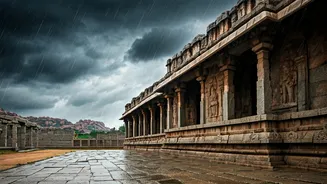
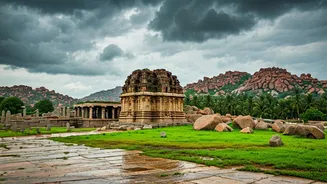
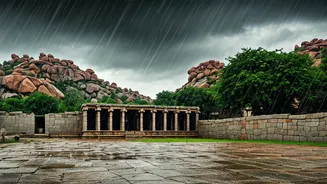
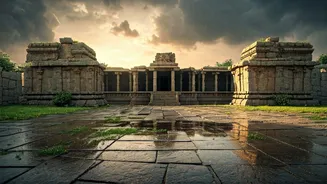
While most travellers flock to Hampi during the dry winter months, visiting between July and September offers a completely different, almost magical experience. The usually dusty, boulder-strewn terrain of this UNESCO World Heritage Site sheds its ochre
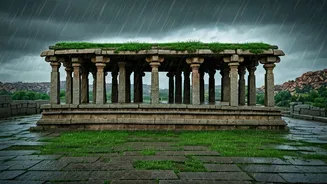
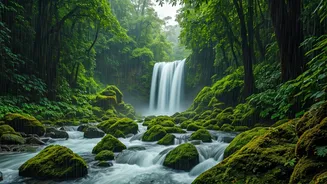
coat for a vibrant green one. The rains breathe life into the landscape, with paddy fields looking greener, the Tungabhadra River swelling, and waterfalls appearing in the hills. The grey clouds create a dramatic, moody backdrop for photography, making the ancient temples and palaces look even more mystical and evocative. The best part? The crowds are thinner, allowing for a quieter, more intimate connection with the history that permeates every corner of this once-glorious capital of the Vijayanagara Empire.
The Royal Centre Reimagined
The Royal Centre, which housed the palaces and administrative buildings of the empire, takes on a special charm in the rain. The Lotus Mahal, an exquisite structure with archways shaped like lotus petals, looks especially striking when its stone is slick with rain. Nearby, the Elephant Stables, a grand building with eleven domed chambers, stands majestically against the dark monsoon sky. These structures are some of the few that remained relatively intact, and the rain seems to only enhance their surviving beauty. Exploring the Queen's Bath and the Hazara Rama Temple, with its intricate carvings depicting the story of the Ramayana, becomes a more serene experience without the usual tourist rush.
Sacred Precincts in the Mist
Hampi's spiritual heart also beats differently during the monsoon. The Virupaksha Temple, one of India's oldest continuously functioning temples, remains a hub of activity. The rain washes its towering gopuram (entrance tower) clean, and the spiritual ambiance feels deeper, with the sound of chanting mixing with the patter of raindrops. Perhaps the most iconic site, the Vittala Temple, offers a unique auditory experience as rain hits its famous musical pillars. The Stone Chariot, a monolithic marvel dedicated to Garuda, stands resolute in the wet weather, its details sharpened by the moisture. Climbing Hemakuta Hill for a panoramic view offers a breathtaking sight of the rain-soaked town and temples below, often shrouded in a light mist.
Navigating the Monsoon Magic
A trip to Hampi in the monsoon requires some practical planning. While the rains are often intermittent and not constant downpours, it's wise to be prepared. Opt for quick-drying clothes and sturdy, non-slip footwear, as the stone paths can become slippery. While you can rent cycles or mopeds, hiring an auto-rickshaw for the day is a more comfortable way to get around when it's raining. It's also a good idea to start your sightseeing early, as rains tend to pick up in the afternoon. Be aware that some activities like bouldering or extensive trekking might be unsafe on slippery rocks. The famous 'Hippie Island' (Virupapur Gaddi) can sometimes get cut off if the Tungabhadra river floods, so check with locals before planning a crossing.
Beyond the Main Ruins
The monsoon is the perfect time to explore the areas surrounding the main temple complexes. The Tungabhadra River, which can be quite low in other seasons, becomes a powerful, gushing waterway. A coracle ride, a journey in a traditional round boat, offers a unique perspective of the riverside ruins, though it's important to ensure it's safe and operators are running. A short trip to Anegundi village, believed to be the ancient monkey kingdom of Kishkindha from the Ramayana, is also highly recommended. The surrounding banana plantations and paddy fields are at their most beautiful during this time, offering a glimpse into the tranquil rural life that coexists with the magnificent ruins.