


The Great Debate: Fresh vs. Frozen Peas
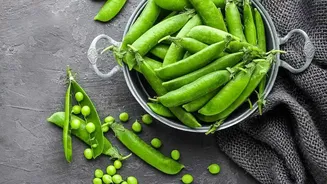
In the world of vegetables, the debate between fresh and frozen is a common one, but with peas, the answer might surprise you. Fresh peas are a seasonal delight, at their peak from late spring into summer. When eaten shortly after being picked, they offer
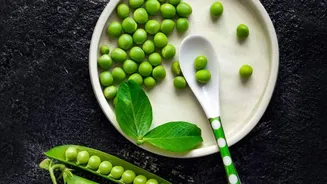
a crisp, sweet flavour that is hard to beat. However, their natural sugars begin converting to starch almost immediately after harvest, meaning peas that have travelled for days can taste mealy and less sweet. This is where the frozen pea shines. Frozen peas are typically harvested and flash-frozen within hours, locking in their peak sweetness and nutrients. Many chefs, including Bobby Flay, often prefer frozen peas for their consistency and superior sweetness compared to out-of-season fresh options. So, while truly fresh-from-the-garden peas are a treat, a bag of frozen peas is a reliable, high-quality staple for your freezer year-round.
Simple Tips for Perfectly Cooked Peas
The key to delicious peas is not to overcook them. For frozen peas, there's no need to thaw them first. A quick cook of just a few minutes is all that's needed. You can boil them for 2-3 minutes, steam them for 1-2 minutes, or simply microwave them with a splash of water. An even better method, favoured by chefs, is to 'glaze' them. Sauté frozen peas in a pan with a knob of butter, a pinch of salt, and a splash of water until the water evaporates, coating them in a flavourful glaze. For fresh peas, a quick blanch in boiling water for 2-3 minutes followed by a plunge into an ice bath will preserve their vibrant colour and crisp texture. Avoid adding salt to the water when boiling, as it can toughen their skins.
Classic Comfort: Creamy Pea Soup
A vibrant green pea soup is a classic dish that can be served warm and comforting or chilled and refreshing. It’s surprisingly simple to make using either fresh or frozen peas. Start by sautéing chopped onion and garlic in butter or oil until soft. Add the peas, vegetable or chicken broth, and seasoning. Bring the mixture to a boil and simmer for 15-20 minutes, or until the peas are tender. For extra creaminess, some recipes add a peeled, cubed potato to the pot. Once cooked, use an immersion blender to purée the soup until smooth. Finish by stirring in a touch of heavy cream, coconut cream, or Greek yogurt for richness and a tangy finish. Garnish with fresh mint for an elegant touch.
A Refreshing Side: Minted Pea Salads
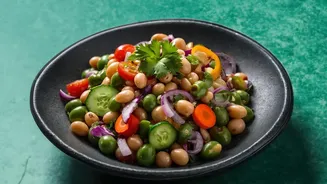
The classic combination of peas and mint makes for a wonderfully refreshing salad. For a simple version, toss thawed frozen or blanched fresh peas with chopped fresh mint, crumbled feta cheese, and a light vinaigrette made from olive oil and lemon juice. Shallots or thinly sliced red onion can add a gentle bite. Another variation involves a creamy dressing made from mayonnaise, sour cream, and fresh mint. For added crunch and complexity, consider adding radishes, pistachios, or even diced mango to your pea salad. These salads are perfect for potlucks and picnics, offering a bright, flavourful alternative to heavier sides.
The Main Event: Peas in Pasta and Risotto
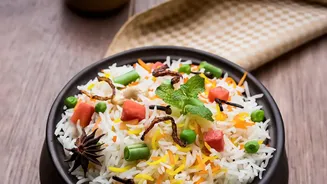
Peas are a fantastic addition to main courses, particularly pasta and risotto, where they add a pop of colour and sweetness. When making risotto, you can toss frozen peas in during the last 5-6 minutes of cooking. This allows them to cook through without becoming mushy. For an even more intense pea flavour, some recipes suggest pureeing a portion of the peas and stirring the puree into the risotto along with the whole peas. Similarly, peas can be added to pasta dishes in the final minutes of cooking; simply drop them into the boiling pasta water just before draining. They pair wonderfully with creamy sauces, like a classic Fettuccine Alfredo or a carbonara, and cheeses like parmesan and goat cheese.
A Desi Twist: Matar Paneer
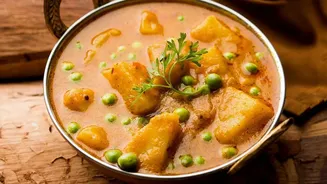
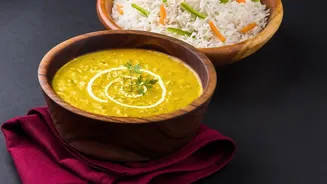
In Indian cuisine, green peas, or 'matar', are a staple ingredient. One of the most beloved dishes is Matar Paneer, a vegetarian curry featuring soft cubes of paneer (Indian cottage cheese) and green peas in a spiced tomato and onion gravy. The base is created by sautéing onions, ginger, and garlic, then adding tomatoes and a blend of spices like turmeric, coriander, cumin, and garam masala. The peas and paneer are simmered in this fragrant sauce until tender. For the best texture, many recipes suggest lightly pan-frying the paneer cubes until golden before adding them to the curry. Served with naan or basmati rice, it’s a deeply comforting and flavourful main course.