




The Ultimate Logistical Hurdle
Water is essential for life, but it's also incredibly heavy. Launching every litre of water an astronaut needs for a multi-year mission to Mars is logistically impossible and prohibitively expensive. For decades, the holy grail of long-duration spaceflight
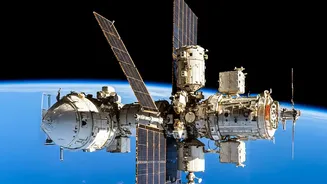
has been a 'closed-loop' system, one that can regenerate or recycle vital consumables like air and water. Each astronaut on the International Space Station (ISS) requires about a gallon of water per day for drinking, food preparation, and basic hygiene. Without recycling, missions beyond the constant resupply chain of low-Earth orbit would remain a distant dream. This necessity has driven the development of NASA's Environmental Control and Life Support System (ECLSS), a sophisticated suite of hardware designed to mimic Earth's natural life-sustaining functions in the harsh environment of space.
A 98 Percent Success Story
Recently, the ECLSS aboard the ISS achieved a landmark goal: recovering and recycling 98% of all water brought on board. Previously, the system hovered between 93% and 94% recovery, but a new component made all the difference. The system collects moisture from every possible source, including astronaut breath and sweat captured by advanced dehumidifiers. The real challenge, however, is urine. The Urine Processor Assembly (UPA) uses a process called vacuum distillation to recover water from urine. This leaves behind a concentrated fluid known as urine brine. The breakthrough came from a new Brine Processor Assembly (BPA), which uses a special membrane and warm air to evaporate and capture the final, stubborn water molecules from this brine, pushing the total recovery rate to the critical 98% threshold.
How 'Waste' Becomes Purer Than Tap Water
The idea of drinking recycled urine might sound unappealing, but NASA officials are quick to clarify the reality. Astronauts are not drinking urine; they are drinking water that has been reclaimed and purified to a standard that often exceeds most municipal water supplies on Earth. The collected wastewater first goes through a series of specialized filters to remove particulates. A complex 'Water Processor Assembly' then uses multi-filtration beds to remove organic and inorganic contaminants before a catalytic reactor breaks down any remaining compounds. Sensors continuously check water purity, and any water that doesn't meet the stringent standards is automatically sent back to be reprocessed. The final step involves adding a small amount of iodine to prevent any microbial growth during storage.
Paving the Way for the Moon and Mars
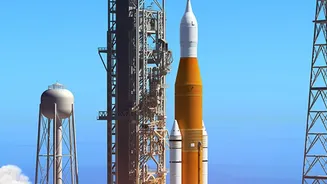
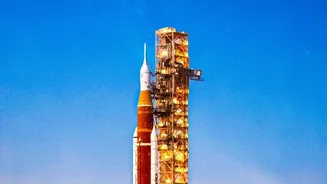
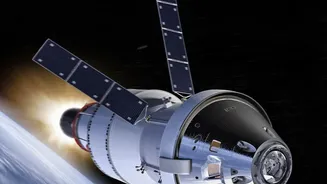
Achieving near-total water regeneration is less about the ISS and more about what comes next: the Artemis program. While short Artemis missions like Artemis II could rely on stored water, establishing a sustained human presence on the Moon or embarking on the long trek to Mars makes this technology essential. The inability to get frequent resupply shipments means future habitats must be almost entirely self-sufficient. Recognizing this, NASA is already testing next-generation mobile wastewater systems designed specifically for lunar and Martian habitats. These new systems not only recycle water but also aim to convert waste streams into nutrient feedstocks for growing plants, creating a truly sustainable loop for future explorers.