



Meet the 'Goldilocks' Stars
In the cosmic neighbourhood, stars come in many varieties. For a long time, researchers focused on two main types: Sun-like yellow dwarfs (G-type stars) and the smaller, more numerous red dwarfs (M-type stars). Now, astronomers are turning their attention
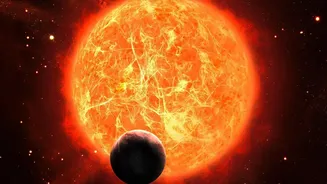
to the star that sits perfectly in between: the K-type orange dwarf. These stars are cooler than our Sun but warmer than the volatile red dwarfs, earning them the nickname 'Goldilocks stars' because their properties seem to be just right. They are about three times more common in our galaxy than Sun-like stars, giving planet hunters a much larger pool of targets. A recent census identified over 2,000 of these promising stars just in our local corner of the Milky Way.
The Ultimate Gift: Time
Perhaps the most compelling reason orange dwarfs are so interesting is their incredible longevity. Our Sun has a lifespan of about 10 billion years and is already about halfway through its life. In another billion years or so, it will become so hot that Earth will no longer be habitable. Orange dwarfs, on the other hand, burn their fuel much more slowly and steadily. Their lifespans can range from 20 to 70 billion years, providing a vast and stable timeline for life to emerge and evolve into complex forms. This extended period of stability means a planet in the habitable zone of an orange dwarf would face fewer existential threats from its parent star's evolution, giving life a far longer and more secure opportunity to flourish.
A Calmer, More Stable Environment
While red dwarfs are the most common stars and have lifespans stretching into the trillions of years, they come with a major drawback: they are notoriously violent. Especially in their youth, red dwarfs unleash powerful stellar flares and intense X-ray radiation that can strip the atmosphere from any nearby planets, boiling away oceans and making life impossible. Orange dwarfs offer a perfect compromise. They are significantly calmer than red dwarfs, with much lower levels of dangerous flare activity. This creates a more benign environment where a planet can hold onto its atmosphere and liquid water for billions of years, a crucial requirement for habitability.
The Promise of 'Superhabitable' Worlds
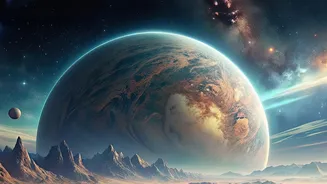
The ideal conditions offered by orange dwarfs have led to the tantalising concept of 'superhabitable' worlds. This isn't just a planet that can support life, but one that might be even better suited for it than Earth. A superhabitable planet might be slightly older and more massive than Earth, with a thicker atmosphere for protection and more stable temperatures. Its gravity could hold a richer atmosphere, and shallow, distributed oceans could create a paradise of biodiversity. Scientists believe that the long, stable lifespan of an orange dwarf is exactly the kind of stellar parent needed to nurture such a world, making these star systems prime targets in the hunt for life that is not just surviving, but thriving.