





Defining the 'Clean Aesthetic'
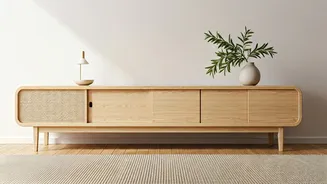
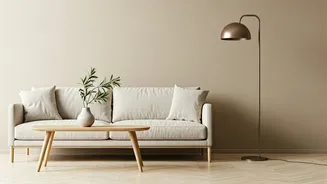
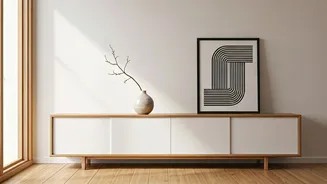
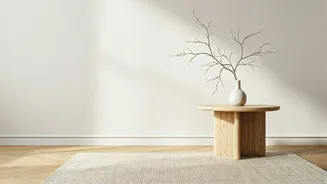
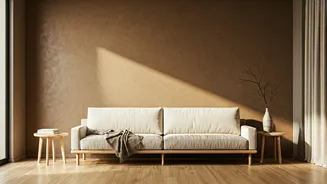
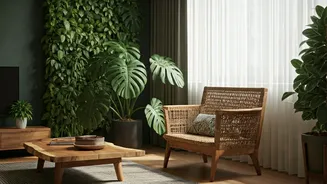
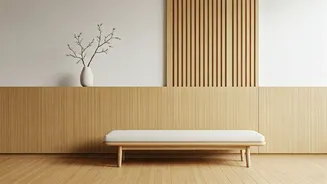
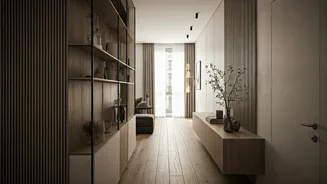
So, what exactly is this 'clean aesthetic'? Think of it as a blend of minimalism, Scandinavian design, and the Japanese principle of 'wabi-sabi' (finding beauty in imperfection). The palette is muted: whites, beiges, greys, and earthy tones dominate.
Furniture is functional and simple, spaces are uncluttered, and natural light is the most important accessory. It's less about sterile emptiness and more about intentionality. Every object in the room has a purpose or brings joy. This visual language, popularised by global influencers, has found fertile ground among a generation of young Indians who are seeking calm and order in their personal spaces.
The Viral Appeal of Decluttering
The trend is being driven by viral 'decluttering challenges' on platforms like Instagram and YouTube. Inspired by pioneers like Japan’s Marie Kondo, whose 'KonMari' method asks you to keep only what 'sparks joy', these challenges provide a structured, gamified approach to tidying up. You might see the '30-Day Minimalism Game,' where you discard one item on day one, two on day two, and so on. Or the 'Project 333' challenge, where you live with only 33 items of clothing for three months. For many, this isn't a solitary pursuit. Participants share their progress online, creating a sense of community and accountability. Seeing before-and-after pictures provides a satisfying, tangible sense of accomplishment that is highly shareable.
A Search for Control and Calm
The popularity of this trend goes far beyond just having a tidy home. For many young urban professionals, life is a whirlwind of demanding jobs, digital overstimulation, and constant connectivity. The external world feels chaotic and unpredictable. Curating a calm, organised, and minimalist home becomes a powerful act of control. Psychologists suggest that decluttering can reduce anxiety and improve focus. By clearing physical clutter, many feel they are also clearing mental clutter, creating a sanctuary where they can recharge and disconnect from the noise of daily life. The home is no longer just a place to sleep; it’s an active tool for wellness.
The Practicality of Urban Indian Life
There's also a deeply practical driver behind this trend. As more young people move to metros like Mumbai, Bengaluru, and Delhi for work, they find themselves in smaller, often rented, apartments where space is a premium. The sprawling, collect-everything ethos of their parents' generation simply doesn't fit in a 600-square-foot one-BHK. Minimalism is not just an aesthetic choice; it’s a functional necessity. A 'clean' approach makes small spaces feel larger, brighter, and more liveable. It encourages a more mobile, less attached lifestyle, which suits the reality of renters who may move every couple of years.
A Quiet Rebellion Against Consumerism
This movement can also be seen as a subtle rebellion against the hyper-consumerism that defined the last two decades. After years of being targeted by fast fashion and endless online sales, some young Indians are consciously choosing to buy less but buy better. The focus is shifting from accumulating possessions to investing in experiences and high-quality, durable goods. This mindful consumption aligns with a growing global awareness around sustainability and the environmental impact of a throwaway culture. By decluttering, people are not just getting rid of things; they are re-evaluating their relationship with materialism itself.
The Pressure of a Picture-Perfect Home
However, the trend is not without its pressures. The same social media that inspires can also intimidate. The 'clean aesthetic' can sometimes feel less like a personal wellness journey and more like a competitive sport to achieve a perfectly curated, Instagram-worthy home. There is a risk that the pressure to be minimalist becomes another source of anxiety, replacing the clutter of things with the clutter of expectations. The key, as many proponents suggest, is to adapt the principles to one's own life, rather than trying to replicate a flawless image seen on a screen.