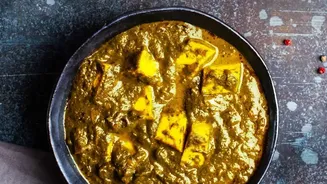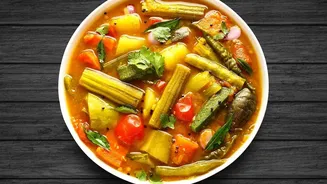



It’s a universally acknowledged truth in many Indian households: the dal makhani, chicken korma, or rajma masala you put in the fridge last night tastes even more spectacular today. This isn't just nostalgia; it's a delicious science experiment.
The Flavours Begin to Mingle
Imagine
a freshly cooked gravy as a bustling party where all the guests have just arrived. The sharp tang of tomatoes, the pungent hit of ginger and garlic, and the distinct notes of individual spices like cumin and coriander are all present but haven't started mingling yet. A night in the refrigerator acts as the perfect host, giving these distinct flavours time to get to know each other. Chemical compounds from the dozens of spices used in Indian cooking continue to move and disperse throughout the sauce. Instead of tasting separate notes, you experience a more rounded, cohesive, and complex flavour profile where every spoonful is a harmonious blend.
Chemical Reactions Don't Stop
Cooking is chemistry, and the reactions don't end the moment you turn off the stove. The complex aromatic compounds in spices, particularly those that are fat-soluble, need time to dissolve and spread through the oils and ghee in the gravy. As the curry cools and rests, these flavour molecules continue to infuse the entire dish, a process much slower and more thorough than the rapid heat of cooking. Furthermore, some sharp flavours, like the initial pungency of onions and garlic, mellow out overnight through oxidation. This allows the deeper, more savoury notes and the natural sweetness of other ingredients to come forward, creating a more balanced taste.
Texture and Umami Deepen
The magic also happens with texture. In meat-based gravies, the collagen from bones and connective tissues breaks down into gelatin during cooking. As it cools, this gelatin sets, and upon reheating, it melts into a silky, luxurious mouthfeel that thickens the gravy beautifully. In vegetarian dishes, starches from potatoes, lentils, or even onions continue to break down and absorb liquid, contributing to a richer, creamier consistency. Simultaneously, proteins in the meat and vegetables break down further into their base amino acids, like glutamate. This enhances the savoury, 'meaty' taste known as umami, making the dish taste fundamentally more satisfying and robust.
Ingredients Absorb the Goodness
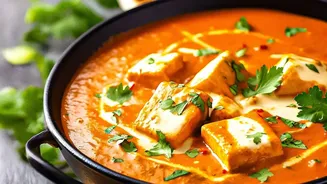
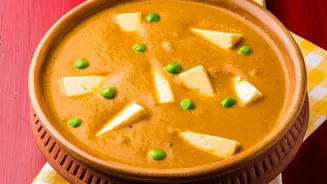
When a gravy is freshly made, the sauce coats the pieces of chicken, paneer, or vegetables. But after a night of rest, something more profound occurs. Through processes like osmosis and diffusion, the ingredients act like sponges, drawing the flavourful sauce deep into their core. The chunks of potato or chickpeas are no longer just sitting in the gravy; they become one with it. This is why the flavour of a day-old curry seems to go all the way through every bite, rather than just sitting on the surface. The meat becomes more tender and marinated, and the vegetables become flavour-saturated vessels of the gravy itself.