

The Pav Bhaji Makeover
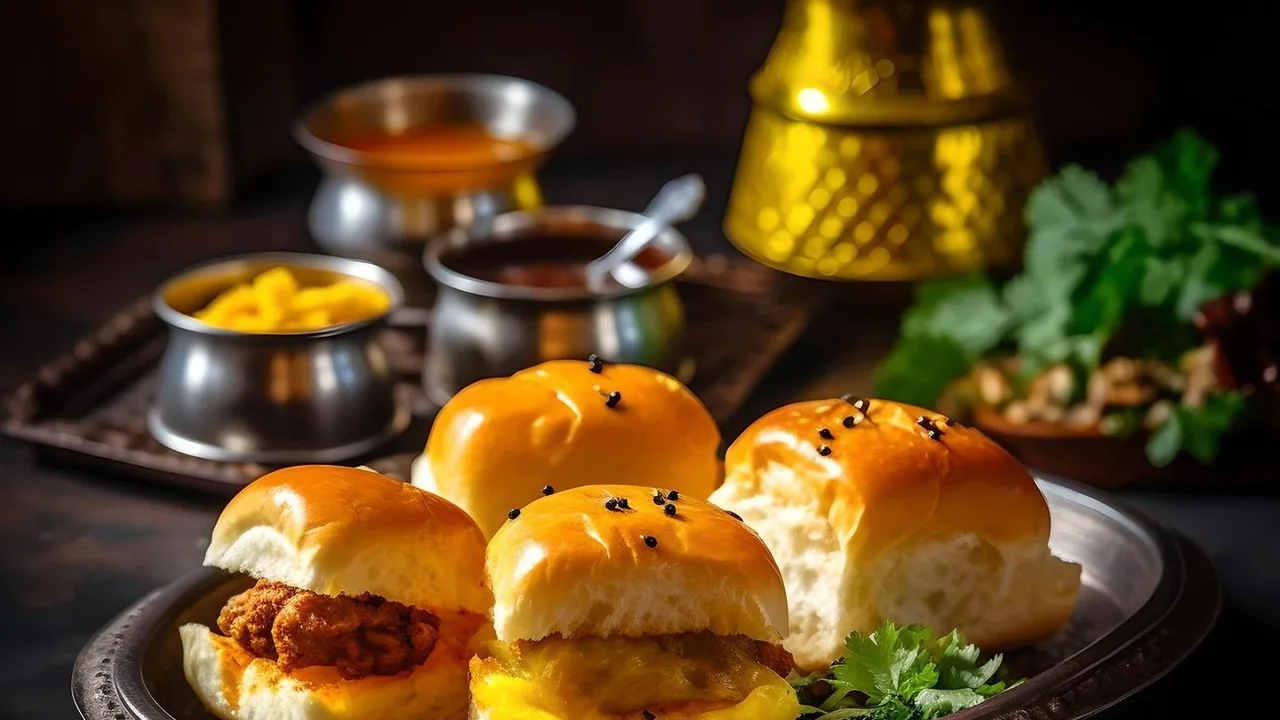
The classic Pav Bhaji is a buttery, potato-heavy delight. To make it healthier, the trick is to adjust the vegetable-to-potato ratio. Reduce the potatoes and bulk up the bhaji with nutrient-dense vegetables like cauliflower, carrots, peas, bell peppers,
and even beetroot for a natural, rich colour. Some recipes even replace potatoes entirely with alternatives like cauliflower and moong beans to lower the carb count. Instead of loading it with butter, use a minimal amount for flavour and supplement with a touch of olive oil. You can also try using a small amount of peanut butter for a creamy mouthfeel without dairy or excess oil. Finally, swap the refined flour (maida) pav for whole wheat buns to add fibre, making the meal more wholesome and satisfying.
The Samosa: Baked, Not Fried
The quintessential Indian snack, the samosa, is traditionally deep-fried, making it high in unhealthy fats. The easiest and most effective swap is to bake or air-fry them. This method gives you that satisfying crunch without soaking the snack in oil. For the pastry, ditch the refined flour (maida) and opt for a whole wheat flour (atta) dough. You can even add other flours like almond or use millets for a more complex nutritional profile. The filling can also be made healthier. While the potato and pea combination is classic, you can incorporate more vegetables, lentils, or even sprouts to boost the fibre and protein content. By brushing the samosas with a little oil before baking, you can achieve a golden, crisp crust that rivals the deep-fried version.
Chaat Cravings, Satisfied Sensibly
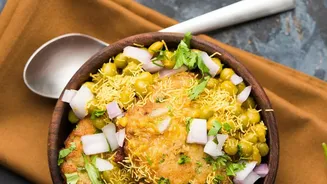
Chaat is a universe of flavours, but many elements like fried papdis and sev can make it a heavy affair. For a healthier Papdi Chaat, use baked whole wheat papdis, or even baked tortilla chips as a base. Instead of deep-fried sev, you can top your chaat with baked bhujia or simply skip it. A great way to add crunch and nutrition is to make a sprout-based chaat using steamed moong or chickpeas, tossed with fresh tomatoes, onions, and cucumber. Another healthy alternative is an oats-based bhel, which uses roasted oats and cornflakes instead of puffed rice, mixed with veggies and chutneys. Use hung curd as a creamy topping instead of sweetened yogurt to cut down on sugar and add a dose of protein.
Guilt-Free Golgappe (Pani Puri)
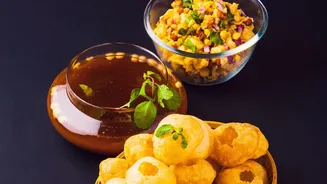
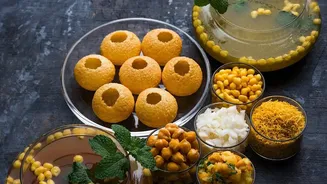
Everyone's favourite, Pani Puri or Golgappe, can also be given a healthy spin at home. The puris are typically made from semolina (suji) or maida and deep fried. A healthier approach is to make them with whole wheat flour (atta) and either bake or air fry them until crisp. This drastically reduces the oil content. For the 'pani' or flavoured water, you can create a delicious version at home using mint, coriander, tamarind, and dates for sweetness, avoiding processed sugar. The filling can be made more nutritious by using boiled chickpeas or moong sprouts instead of, or in addition to, the traditional boiled potatoes. This ensures you get a good dose of protein and fibre with every tangy, explosive bite.
A Healthier Vada Pav Twist
Mumbai's iconic street food, the Vada Pav, consists of a deep fried potato fritter (vada) tucked inside a soft pav. To make a healthier version, the key is to cook the vada without deep frying. You can achieve a delicious result by shaping the potato mixture into patties and then baking them in an oven or cooking them in an air fryer until golden and crisp. This gives you the familiar taste and texture with significantly less oil. As with pav bhaji, serve this healthier vada in a whole wheat bun instead of a refined flour pav. Paired with the classic sweet and spicy chutneys, this version allows you to enjoy the beloved snack without the guilt of a deep fried indulgence.