





The Rise of Slow Travel in Goa
A growing number of travellers are swapping fast-paced itineraries for a more deliberate and meaningful experience known as slow travel. This approach prioritizes connection—to nature, to local culture, and to oneself—over merely checking off a list of tourist
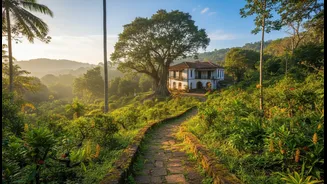
spots. In Goa, this translates to exploring the verdant Western Ghats, staying in eco-conscious homestays, and savouring authentic experiences far from the crowded coastal belt. This shift is part of a conscious move to promote 'Goa Beyond Beaches', focusing on the state's rich biodiversity and rural charm. It’s about discovering the quiet villages, dense forests, and serene rivers that define the state's interior.
Whispers of the Woods: Immersive Forest Walks
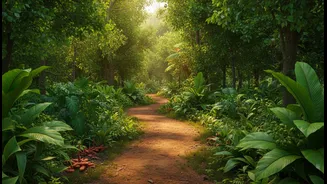
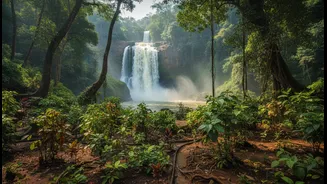
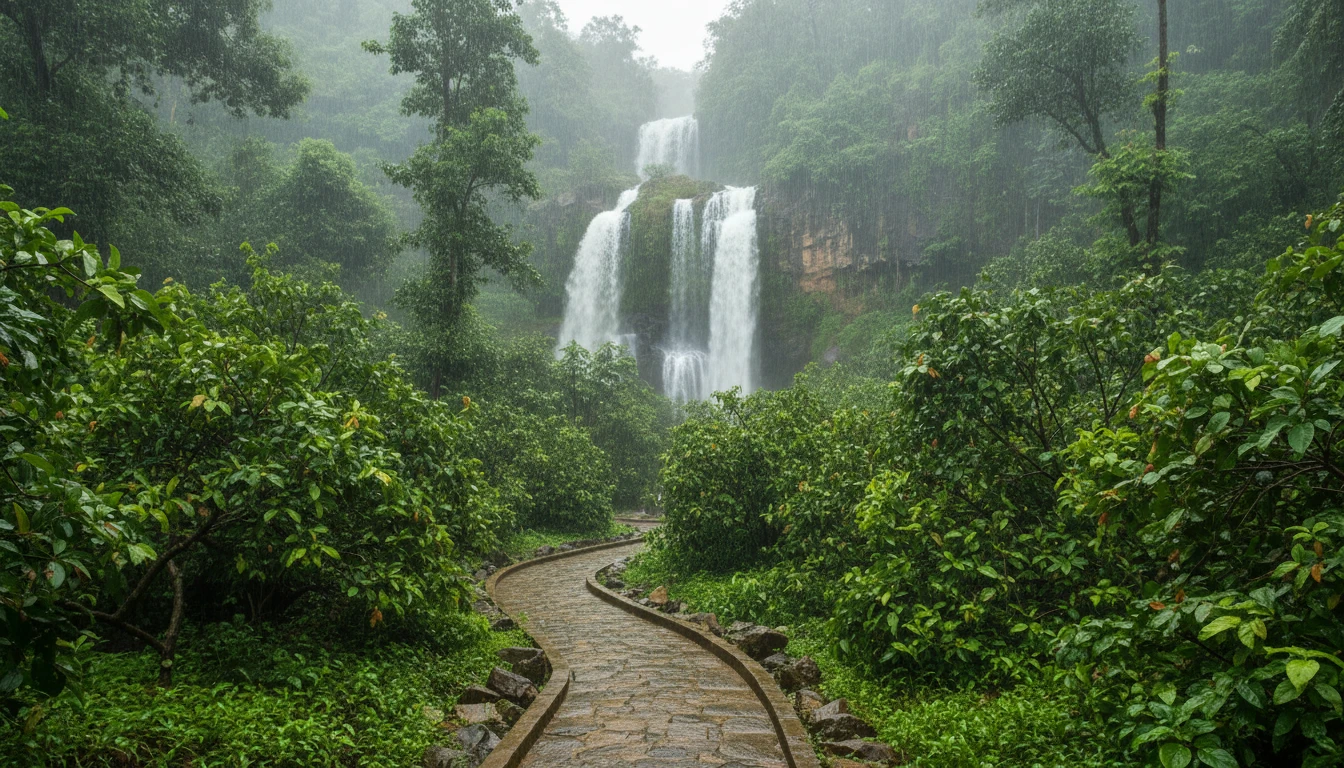
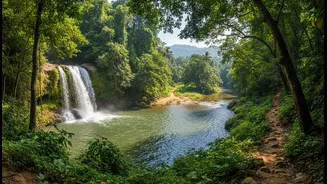
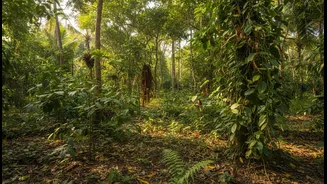
The heart of Goa's slow travel appeal lies in its protected forests. Sanctuaries like the Bhagwan Mahavir Wildlife Sanctuary in Mollem and the Cotigao Wildlife Sanctuary offer visitors a chance to trade bustling streets for tranquil forest trails. Guided walks, often led by local experts, reveal the incredible biodiversity of these ecosystems, which are part of a UNESCO-recognized hotspot. Treks can lead to stunning, secluded waterfalls, especially during and after the monsoon season. These walks are not just about exercise; they are a sensory immersion into the sights and sounds of the jungle—from the calls of exotic birds to the rustle of unseen wildlife, offering a peaceful and restorative escape.
Aromatic Adventures on Spice Plantations
Goa’s history is steeped in the spice trade, and a visit to a plantation is a journey for the senses. Located mostly in the Ponda region, farms like Sahakari Spice Farm and Savoi Plantation offer guided tours that demystify the origins of everyday spices like pepper, cinnamon, cardamom, and nutmeg. Visitors are often welcomed with herbal tea before being led through aromatic groves where they can see and smell the spices growing in their natural state. These tours are both educational and immersive, providing insight into organic farming practices and the importance of these crops to Goan culture and cuisine.
The True Taste of Goa: Farm-to-Table Feasts
The slow travel experience culminates in the food. Many spice plantation tours conclude with a traditional Goan meal, often served on a banana leaf in a rustic setting. This isn't the generic tourist fare found in beach shacks; it's authentic, home-style cooking prepared by local families. Dishes like chicken xacuti, fish curry, and a variety of vegetable preparations feature ingredients grown just steps away. This farm-to-fork approach not only provides a delicious and wholesome meal but also supports the local community and offers a genuine taste of Goan hospitality. It’s a culinary experience that connects you directly to the land.
Embracing the Hinterland Lifestyle
To fully embrace slow travel, accommodation choices matter. The hinterlands are home to a growing number of eco-resorts, family-run homestays, and beautifully restored heritage villas. These establishments prioritize sustainability through practices like rainwater harvesting, using locally sourced materials, and minimizing waste. Staying in such places offers a more intimate and authentic experience, allowing guests to connect with local hosts, wake up to the sounds of nature, and gain a deeper appreciation for the region's culture and environment. It's about living lightly and becoming part of the preservation of Goa's natural beauty.