






Start with Smart Soil and Drainage
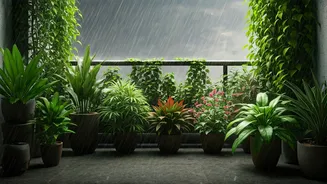
Before you even pick a plant, prepare its home. The single biggest threat during monsoon is waterlogging, which suffocates roots. Ensure every pot has drainage holes. A simple trick is to place a piece of broken pottery over the hole before adding soil
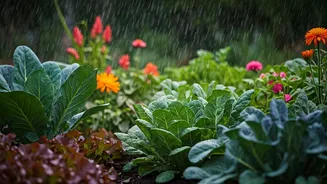
to prevent it from clogging. Create a well-draining potting mix by combining garden soil with sand, cocopeat, or perlite. For garden beds, consider creating raised beds or digging small channels to direct excess water away. Adding a layer of organic mulch like straw or dry leaves helps prevent soil erosion from heavy raindrops and suppresses weeds.
Embrace Humidity-Loving Flowering Plants
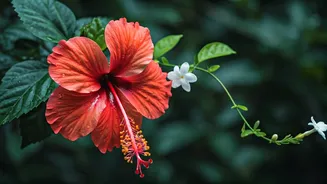
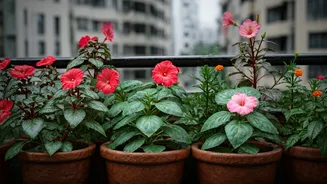
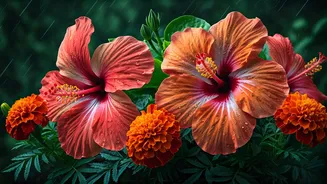
Many of India's most beloved flowers are at their best during the rainy season. Hibiscus, for instance, thrives in humid weather, producing more of its large, trumpet-shaped blooms. Fragrant favourites like Jasmine (Mogra) and Tuberose (Rajnigandha) adore the moisture-rich air. Easy-to-grow annuals such as Balsam, Cosmos, and Zinnia also stand up well to downpours and add vibrant colour. And of course, there's the Rain Lily, which, as its name suggests, sprouts delicate flowers soon after a good shower.
Cultivate Quick-Growing Vegetables
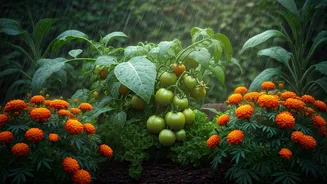
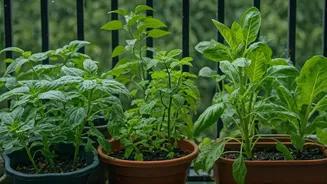
The monsoon is the perfect time for a kitchen garden. Many vegetables grow vigorously with the consistent watering nature provides. Leafy greens like spinach (palak) and amaranth (chaulai) are excellent choices. Gourds are particularly prolific; varieties like bottle gourd (lauki), ridge gourd (turai), and bitter gourd (karela) grow rapidly in the warm, wet conditions. Other reliable options for your home garden include okra (bhindi), cucumber, radish, and beans, all of which can be grown easily in pots or beds.
Add Hardy Herbs and Foliage
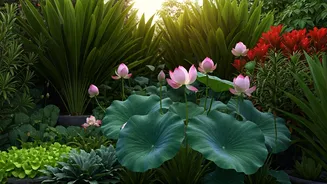
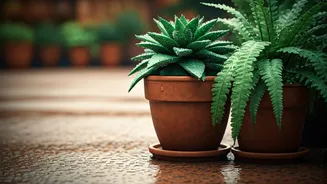
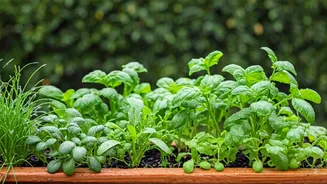
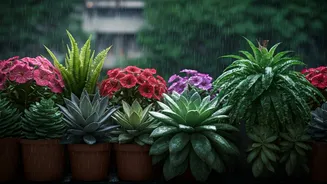
Lush greenery is a hallmark of the monsoon, and foliage plants are a great way to capture that look. Tropical plants that naturally grow under rainforest canopies, such as ferns, philodendrons, and peace lilies, enjoy the conditions. You can even move some indoor plants like money plants and syngoniums outdoors for a refreshing shower. For your kitchen, consider planting herbs that love water, like Indian Borage (ajwain patta), turmeric, and ginger. These not only add greenery but are also useful in cooking.
Stay Vigilant Against Pests and Diseases
The damp, warm weather that plants love is also a haven for pests like snails and slugs, as well as fungal diseases like powdery mildew and root rot. Good air circulation is key, so avoid overcrowding your plants and prune away dense or dead foliage to let air flow through. Regularly inspect your plants for signs of trouble, such as spots on leaves or wilting. Removing saucers from under pots can prevent stagnant water where mosquitoes might breed. For pest control, a simple spray of neem oil diluted in water can be an effective organic deterrent.