




Understanding Core Stabilisation
Before comparing these two activities, it's important to understand what core stabilisation truly means. It isn’t just about having visible abdominal muscles. Your core includes a whole group of muscles from your abdomen and lower back to your glutes
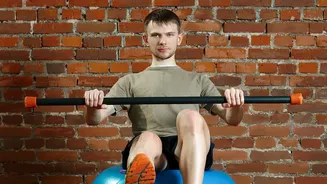
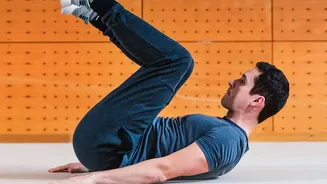
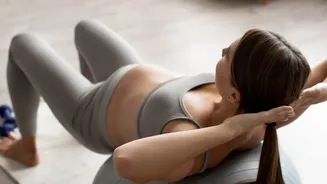
and pelvis. Core stability is the ability of these muscles to work together to hold your spine and pelvis steady, creating a solid base for all movement. This can be divided into two types: static stability, which is holding a position like a plank, and dynamic stability, which is maintaining control while your body is in motion. A strong, stable core is essential for good posture, efficient movement, and injury prevention.
Skating: Building a Reactive and Dynamic Core
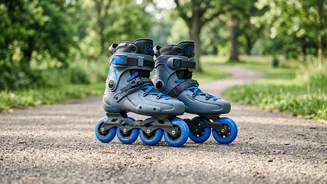
Whether it's on ice or with inline skates, skating is a powerful workout for dynamic core strength. The very act of balancing on a thin blade or a line of wheels on a slippery surface forces your core muscles into constant action. Every push, glide, and turn requires your abdominals, obliques, and lower back muscles to make constant, tiny adjustments to keep you upright. This builds a highly reactive core, one that can respond instantly to changes in momentum and direction. Power in skating originates from the core; engaging the abdominal muscles allows for greater stability and force generation through the hips and legs. This constant engagement means you are strengthening your entire midsection, including deep stabilising muscles, without even thinking about it.
Tai Chi: Cultivating Slow, Controlled Strength
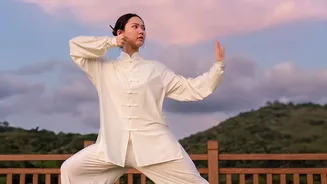
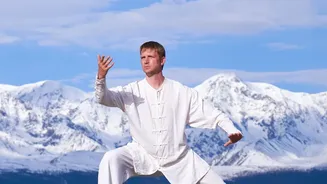
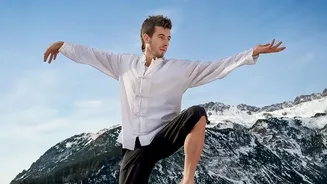
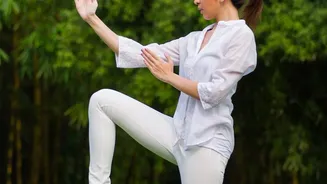
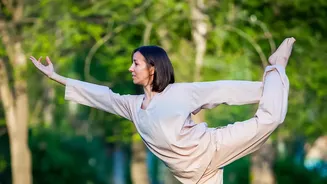
Tai Chi, often described as 'meditation in motion', builds core strength through an entirely different approach. This ancient Chinese martial art involves slow, flowing, and deliberate movements paired with deep breathing. Instead of reacting to speed, Tai Chi practitioners focus on precise body alignment and controlled weight shifts. These slow movements force the deep muscles of the core to engage continuously to maintain balance and postural control. Research has shown that regular practice can significantly improve core strength, comparable in some ways to resistance training. Tai Chi excels at enhancing proprioception—your body's awareness of its position in space—which is crucial for balance and stability. This mindful engagement builds profound and enduring core control.
The Key Differences: Speed vs. Stillness
The most significant difference lies in the type of stability each activity promotes. Skating is fundamentally about dynamic, reactive strength. It trains your core to handle unpredictable forces and rapid changes in direction, making it excellent for functional fitness that translates to other sports and daily activities. The workout is also highly cardiovascular, burning a significant number of calories while building muscle. In contrast, Tai Chi focuses on slow, intentional control. It builds deep, isometric strength and an exceptional mind-body connection. Its movements are low-impact, making it an ideal exercise for people with joint pain or those seeking a less strenuous, more meditative practice that still delivers significant strength and balance benefits.
Which Is the Right Choice for You?
Ultimately, the better choice depends on your personal fitness goals, physical condition, and temperament. If you thrive on high-energy workouts, enjoy speed, and want to build reactive strength alongside cardiovascular endurance, skating is an excellent option. It offers a full-body workout that strengthens the legs, glutes, and core simultaneously. If, however, you prefer a low-impact activity that reduces stress while methodically building strength, balance, and body awareness, Tai Chi is unparalleled. It is particularly beneficial for improving posture and has been shown to be highly effective at preventing falls, especially in older adults. The two are not mutually exclusive; in fact, they can be complementary. The dynamic power from skating can be balanced by the mindful control of Tai Chi, creating a truly well-rounded and resilient core.