





The Magic of a Monsoon Drive
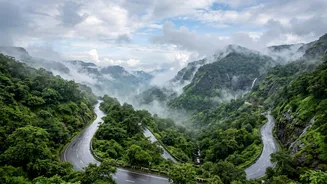
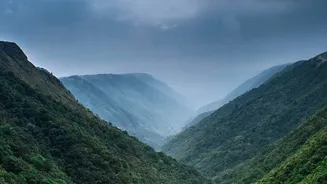
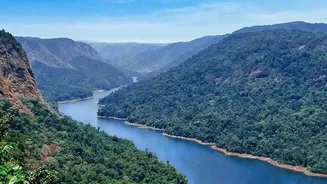
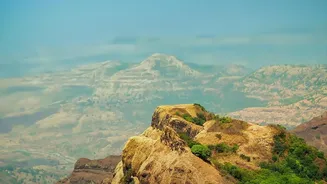
When the first rains arrive, the Sahyadri mountain range awakens. Dry, brown hillsides turn into carpets of vibrant green, waterfalls appear from nowhere, and the air becomes crisp and cool. A road trip during this season is less about the destination
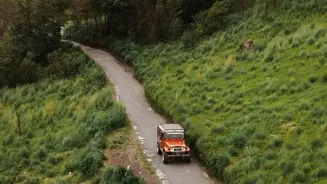
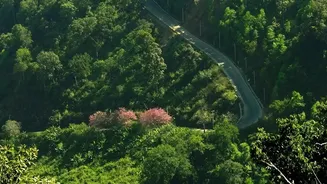
and more about the journey itself. Winding roads snake through valleys blanketed in fog, streams gurgle by the roadside, and every turn reveals a view more breathtaking than the last. The region around Satara and Mahabaleshwar, rich in history and natural beauty, becomes particularly spectacular, offering a perfect escape from city life. Driving here during the monsoon is an experience for all the senses, from the smell of wet earth to the sight of clouds rolling into deep gorges.
Route 1: The Classic Mahabaleshwar Circuit
The drive to Mahabaleshwar is a quintessential monsoon adventure. Starting from Pune or Mumbai, the final ascent through the Ambenali Ghat is a journey through clouds. Once there, the hill station offers numerous viewpoints that provide dramatic vistas of the rain-soaked valleys. Key stops include Arthur's Seat, Wilson Point (the highest point in Mahabaleshwar), and Kate's Point. While heavy mist can sometimes obscure the views, watching the clouds drift and part is a magical experience in itself. A visit to Venna Lake for a boat ride, operations permitting during rainfall, offers a serene experience amidst the lush greenery. Lingmala and Dhobi waterfalls are also in their full glory during this season, cascading powerfully down the hillsides.
Route 2: Satara to the Valley of Flowers
The road trip from Satara to the Kaas Plateau is a journey into a unique ecosystem. A UNESCO World Natural Heritage Site, Kaas transforms into a 'valley of flowers' for a few weeks between August and October. The plateau is covered in a vibrant carpet of over 850 different species of wildflowers. While the main attraction is the bloom, the drive to Kaas is scenic throughout the monsoon, featuring green plains and views of the Kaas Lake. To protect the fragile environment, vehicle access to the plateau itself is restricted, but the drive to the parking area and the subsequent walk are well worth it. For the best experience, check local updates on the flowering season before you go, as the timing can vary each year depending on the rains.
Route 3: The Waterfall Trail to Thoseghar
For those who love chasing waterfalls, the route from Satara to Thoseghar is a must-do. Located about 20 km from Satara, Thoseghar is a series of waterfalls, with the main one plunging from a height of nearly 200 meters into a deep gorge. The sight is most spectacular during the monsoon months of July to November, when the falls are at their most powerful. A well-maintained viewing platform provides a safe and excellent vantage point. The journey to Thoseghar is just as impressive, with winding roads offering scenic views of the surrounding valleys. You can extend this trip by visiting the nearby Chalkewadi Windmill Farm, where hundreds of windmills stand tall on the plateaus, often playing hide-and-seek with the monsoon mist.
Essential Monsoon Driving Tips
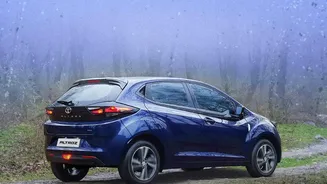
Driving in the Ghats during the monsoon requires extra caution. Road surfaces can be slippery, and visibility is often low due to heavy rain and thick fog. Before you start, ensure your vehicle's tyres, brakes, and wipers are in excellent condition. Drive slowly, especially on hairpin bends and narrow sections. It's crucial to maintain a safe distance from the vehicle ahead, as braking distances increase on wet roads. Avoid sudden acceleration or braking to prevent skidding. Using headlights even during the day can improve your visibility to other drivers. It is also advisable to avoid driving after sunset, as the combination of darkness and rain can be particularly hazardous. Always check weather updates and be aware of potential road closures before and during your trip.