


The Rise of the Balcony Herb Garden
The pitter-patter of rain is no longer just a soundtrack for sipping tea; it’s a starting pistol for a new kind of urban hobby: monsoon gardening. Across India's cities, residents are transforming their limited spaces—balconies, windowsills, and verandas—into
fragrant patches of green. This trend is about more than just aesthetics; it's a practical way to bring the freshest possible flavours into the kitchen. Imagine snipping tulsi for your morning kadha or fresh mint for your evening chai without ever leaving your home. Growing your own herbs is not only convenient but also cost-effective and ensures your produce is free from pesticides. It’s a simple, rewarding way to connect with nature, even several floors up, providing both mental and physical benefits. The monsoon, with its cooler temperatures and natural watering, creates the ideal conditions for many herbs to thrive, making it the perfect season for beginners to start.
Best Monsoon Herbs for Indian Apartments
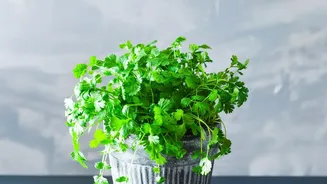
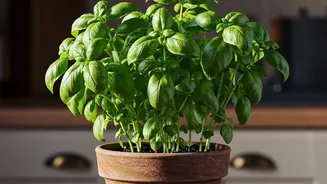
Not all herbs are created equal, especially when it comes to the humid, rainy conditions of the Indian monsoon. The key is to choose plants that love moisture but not waterlogging. Tulsi (Holy Basil) is a monsoon favourite, known for its immunity-boosting properties and its ability to thrive during this season. Mint (Pudina) is another excellent choice, spreading quickly and providing a constant supply for chutneys and drinks. Coriander (Dhania), a staple in Indian cooking, grows fast and loves the cooler temperatures. Lemongrass is hardy, fragrant, and can help keep mosquitoes at bay—a welcome bonus during the rains. For those wanting to try something different, curry leaf, ajwain (carom), and even fenugreek (methi) can be successfully grown in pots during this time. These herbs are generally forgiving and well-suited to the Indian climate.
Your Compact Garden Setup
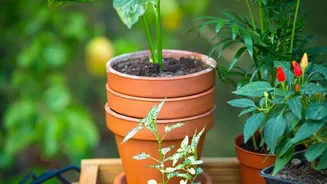
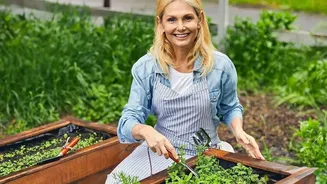
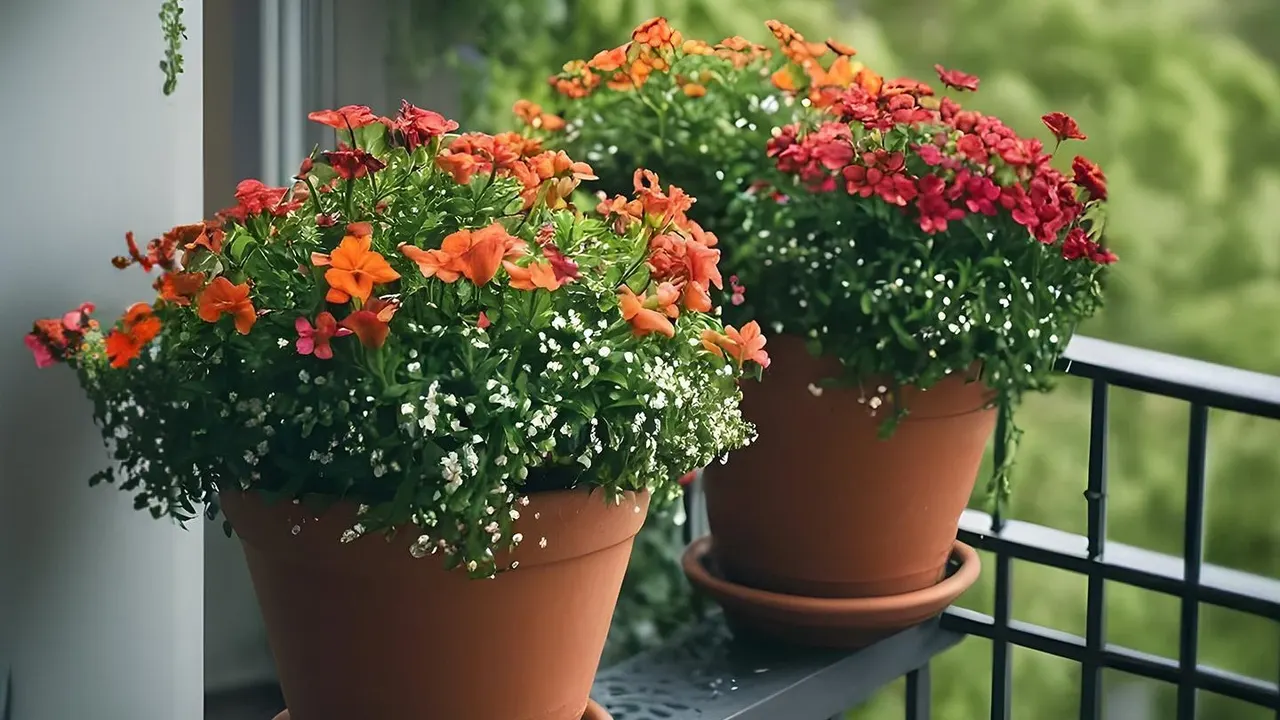
You don't need a sprawling backyard to get started; a small, sunny spot is enough. The most crucial element for container gardening is proper drainage. Choose pots with holes at the bottom—terracotta, ceramic, or even recycled plastic buckets will do. For shallow-rooted herbs like coriander, a 6-inch deep pot is sufficient, while deeper-rooted plants like lemongrass will need a 10-12 inch container. Using a well-aerated soil mix is vital to prevent roots from rotting in the damp weather. A mix of garden soil, compost, and a little sand or coco peat works wonders to improve drainage and provide nutrients. To maximize a truly tiny space, consider going vertical. Railing planters, hanging baskets, or wall-mounted pocket planters are fantastic solutions for small balconies, allowing you to grow a variety of herbs without taking up precious floor space.
Essential Monsoon Care Tips
While the monsoon provides plenty of water, it can also be a challenge. The biggest mistake is assuming the rain will do all the work. Overwatering is a real risk. Always check the top inch of the soil; if it feels dry, then water. Otherwise, let the rain do its job. It’s also wise to protect plants from heavy downpours, which can damage leaves and compact the soil. If possible, move pots to a spot that gets gentle rain but is shielded from the full force. The high humidity can also encourage pests and fungal growth. A preventive spray of diluted neem oil every 10-15 days can help keep your plants healthy. Finally, regular pruning is important. Trimming your herbs not only encourages bushier growth but also improves air circulation around the plant, further reducing the risk of disease.
From Pot to Plate: Enjoying Your Harvest
The ultimate reward of your gardening efforts is, of course, the harvest. Home-grown herbs offer a depth of flavour that store-bought versions can rarely match. The continual harvest model works best for apartment gardens: snip what you need and let the plant regrow. A few fresh mint leaves can elevate a simple cup of tea. A handful of freshly-plucked coriander can transform a dal. Blending your own basil into pesto or steeping lemongrass for a fragrant tea connects you directly to your food. This practice is not just about flavour; it's a sustainable act that reduces waste and your carbon footprint by eliminating food miles and packaging. More than that, it is a deeply satisfying process that brings a touch of green, living magic into the heart of city life.