



Dairy, Fats, and Sweeteners
Dairy is the heart of Janmashtami cooking, celebrating Lord Krishna's love for milk and butter. The most essential item is pure ghee, preferably cow's ghee, used for roasting, frying, and enriching nearly every dish. Full-fat milk is necessary for making
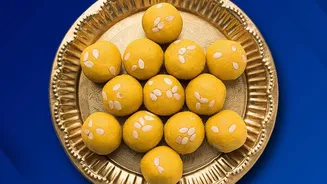
sweets like kheer and the sacred Panchamrit. You'll also need fresh curd (yoghurt) for Panchamrit and savory preparations. For sweeteners, have both sugar (or powdered sugar/boora) and jaggery on hand, as different recipes call for one or the other. Honey is a key component of Panchamrit, representing sweetness and harmony. Lastly, don't forget white butter and mishri (rock sugar) to prepare Makhan Mishri, one of Krishna's most beloved offerings.
Essential Flours and Grains
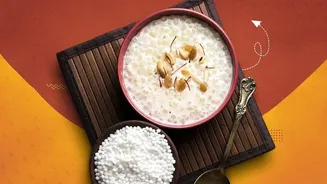
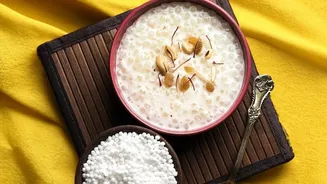
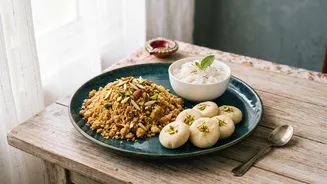
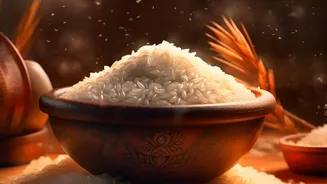
Since many devotees fast from common grains on Janmashtami, special flours are a must. The most important is Dhaniya (coriander) powder, which is roasted in ghee to make Dhaniya Panjiri, a staple prasad. Singhare ka atta (water chestnut flour) and Kuttu ka atta (buckwheat flour) are used for making puris, halwa, and pakoras suitable for fasting. Sabudana (tapioca pearls) are another vrat essential, perfect for making khichdi or kheer. While not a flour, Poha (flattened rice) is another favorite of Lord Krishna and can be used in various preparations.
Nuts and Dried Fruits
Nuts and dried fruits add richness, texture, and nutrition to the festive spread. Makhana (fox nuts) are particularly significant, used in kheer, savory snacks, and the classic Makhana Paag. A good mix of almonds, cashews, and pistachios is needed for garnishing sweets and adding to Panjiri. Raisins provide natural sweetness to both savory and sweet dishes. Other important additions include grated dry coconut, melon seeds (char magaz), and chironji (charoli nuts), all of which are key ingredients in Panjiri and other sweets.
Spices and Flavorings
Aromatic spices elevate the taste of the prasad. Green cardamom powder is used in almost every sweet dish, from kheer to Panjiri, for its delicate fragrance. Cumin seeds are essential for tempering savory vrat dishes like Sabudana Khichdi. Black pepper and rock salt (sendha namak) are the go-to seasonings for fasting foods, used instead of regular table salt. For a touch of sacredness, a few Tulsi (holy basil) leaves are indispensable, often added to Panchamrit and other offerings before they are presented to the deity.
Fresh Produce and Other Essentials
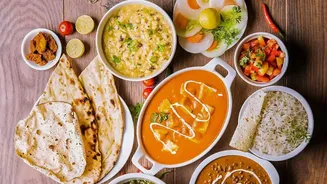
Beyond the pantry staples, some fresh ingredients are key. Potatoes are a fasting staple, used in puris, tikkis, and sabzis. Fresh fruits, especially bananas and pomegranate seeds, are often part of the bhog and can also be added to dishes like Panchamrit. A simple cucumber is perfect for making a cooling raita to accompany the meal. Depending on what you plan to cook, you might also need tomatoes, green chillies, and fresh coriander for garnishing and adding flavour to savory dishes.