






The Science of Freshness
The two primary culprits behind stale crackers, rancid nuts, and clumpy sugar are oxygen and moisture. When dry goods are exposed to air, a process called oxidation begins, which degrades fats, alters flavours, and destroys nutrients. Moisture in the
air can soften crispy items and cause powders to cake together. An air-tight seal, typically created by a silicone gasket, creates a barrier that effectively blocks these elements from reaching your food. This controlled microenvironment dramatically slows down the chemical reactions that cause spoilage, preserving the original taste, texture, and aroma for much longer. By keeping air and humidity out, you're essentially pressing pause on the process of decay.
An Impenetrable Pest Barrier
Few things are more disheartening than discovering pantry moths or weevils have made a home in your flour or cereal. Pests can easily chew through cardboard boxes and thin plastic bags, contaminating your food supply. Air-tight containers made from sturdy materials like thick plastic or glass provide a physical fortress that insects and even rodents cannot penetrate. Transferring grains, flours, and pasta into these sealed containers as soon as you get home is a critical step in pest prevention. It isolates any potential eggs that may have hitched a ride from the store and stops infestations from spreading through your entire pantry.
Visibility Reduces Waste
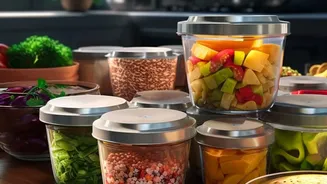
The old saying 'out of sight, out of mind' is especially true for pantries. When you can't see what you have, you're more likely to buy duplicates or forget about ingredients until they've expired. Clear containers solve this problem by providing an instant visual inventory. At a glance, you can see exactly how much rice you have left or if you're running low on rolled oats. This clarity helps you build more accurate shopping lists, preventing over-purchasing and ensuring you use what you already own. Over time, this simple habit significantly reduces food waste and keeps more money in your pocket.
Choosing Your Containers
When selecting containers, you have two main material choices: glass and plastic. Glass is non-porous, meaning it won't absorb odours or stains from foods like curry or tomato sauce. It's also endlessly recyclable and can often be used in the microwave. High-quality, BPA-free plastic containers are lighter, less prone to shattering, and often more budget-friendly. For pantry organization, prioritize stackable, space-efficient shapes like squares and rectangles over round canisters. Most importantly, inspect the lid. A truly air-tight seal relies on a flexible silicone gasket and a locking mechanism that applies even pressure.
An Organized and Efficient System
Beyond freshness and visibility, a uniform container system brings a sense of calm and order to your kitchen. Decanting items from their bulky, mismatched packaging into streamlined containers maximizes shelf space and makes items easier to grab. It also simplifies cleaning; you can easily wipe down shelves and the containers themselves without wrestling with flimsy bags and boxes. To complete your system, label each container with its contents and the purchase or expiry date. This eliminates guesswork and helps you follow the 'first in, first out' rule, ensuring that older products get used before new ones.