




The Science of the Midnight Snack
Late-night cravings are often driven by a cocktail of hormones, habits, and daily routines. One of the biggest culprits is not eating enough during the day. If you skip meals or follow highly restrictive diets, your body may try to compensate for the calorie
deficit at night. Furthermore, our internal body clock, or circadian rhythm, naturally increases our appetite in the evening. This is partly due to hormones like ghrelin (the “hunger hormone”), which can increase at night, and leptin (the “satiety hormone”), which can decrease, signaling your brain that it's time to eat even if your body doesn't physically need the fuel.
Is It Hunger or Just Habit?
Before you reach for a snack, it's worth asking if you're truly hungry or just responding to a trigger. For many, late-night eating is a learned behavior associated with winding down. Snacking while watching TV or scrolling on your phone can create a powerful habit loop where the activity itself triggers the desire to eat. Stress and emotional fatigue are also significant factors. After a long day, our decision-making abilities are weaker, and our brains often seek a quick dopamine hit from high-calorie, sugary, or salty foods for comfort. Stress elevates cortisol, a hormone that can intensify these cravings for “comfort foods.”
The '2-Minute' Rule: Quick and Smart Solutions
The key to managing these cravings isn't about rigid denial but about smart, quick responses. The “2-minute” idea is about satisfying the urge efficiently without derailing your wellness goals or spending ages in the kitchen. Sometimes, the best solution isn't food at all. A craving can be a sign of dehydration, so a large glass of water can sometimes be enough to quell the feeling. For others, the simple act of brushing your teeth can signal to your brain that eating time is over for the day.
The Protein and Fibre Fix
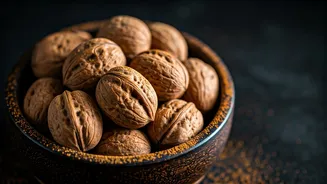
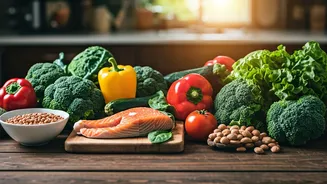
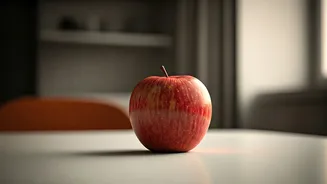
If genuine hunger is the issue, a small, balanced snack is the way to go. Focus on something with protein or fibre to promote satiety. A handful of almonds or walnuts, a small bowl of Greek yogurt with a few berries, or an apple with a spoonful of peanut butter are all excellent choices that take moments to prepare. These options provide sustained energy and can help you feel full without the sugar crash that comes from cookies or chips. A small portion is key; the goal is to satisfy the pang of hunger, not to eat a full meal.
The Sweet and Simple Solution
When you're craving something sweet, you don't have to ignore it completely. A bowl of mixed berries offers natural sweetness and fibre. A few squares of dark chocolate can satisfy a cocoa craving, while a banana provides a creamy texture and potassium. Another quick idea is a rice cake with a thin layer of nut butter. These snacks are quick to assemble and offer a healthier alternative to processed sweets, helping to satisfy your craving without a major spike in blood sugar.
The Mindful Pause
One of the most effective 2-minute strategies involves no food at all. When a craving hits, try taking a pause for a few minutes. Ask yourself if you are truly hungry, or perhaps bored, stressed, or tired. Sometimes, just identifying the underlying emotion is enough to weaken the craving's power. You could try a brief distraction: walk around the house, listen to a song, or read a few pages of a book. Often, the craving will pass on its own within a short window.