



Master the Art of Flight Booking
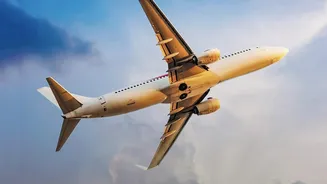
Flights are often the biggest expense, but they don't have to be. The golden rule is to book in advance, ideally two to three months for the best fares. Being flexible with your dates can lead to significant savings; flying mid-week, on a Tuesday or Wednesday,
is often cheaper than on weekends. Use flight comparison websites like Skyscanner or Google Flights to track prices and set up fare alerts. These tools monitor fluctuations and notify you when prices drop. Don't forget to check budget airlines and consider flights with layovers, as direct routes can sometimes be costlier.
Travel During the 'Shoulder Season'
Peak tourist seasons come with high prices and big crowds. The solution? Travel during the shoulder season—the period just before or after the peak. For many destinations, this means spring and autumn. You'll likely enjoy milder weather, fewer tourists, and lower costs for flights and accommodation. Attractions are still open, but you'll have a more authentic and relaxed experience without the long queues. It's one of the best-kept secrets of savvy travellers for balancing good weather with great value.
Think Beyond Traditional Hotels
Accommodation can eat up a large chunk of your budget, but there are many affordable alternatives to expensive hotels. Hostels, guesthouses, and homestays offer comfortable and budget-friendly lodging. These options not only save you money but also provide a chance to meet other travellers and get local insights. Many hostels offer private rooms if you need more privacy, and homestays can give you a genuine feel for the local culture. Booking platforms now make it easy to find and book these alternative stays well in advance.
Be Smart About Your Money
Managing money wisely is crucial when you're abroad. Instead of relying solely on credit cards, which often come with a foreign transaction markup of 2-3.5%, consider getting a multi-currency forex card. These prepaid cards allow you to load foreign currency in advance, locking in the exchange rate and avoiding high conversion fees. It's a good idea to have a mix of payment options: a forex card for most expenses, a credit card as a backup for emergencies or hotel deposits, and a small amount of local cash for small purchases where cards might not be accepted. Always inform your bank about your travel plans to avoid your cards being blocked.
Live Like a Local to Save
One of the best ways to save money and have a more authentic experience is to immerse yourself in the local lifestyle. Use public transportation like buses and metros instead of relying on taxis. Eat at local eateries and street food stalls, which are often cheaper and more delicious than tourist-focused restaurants. Look for free attractions like public parks, walking tours, and local markets. By avoiding tourist traps and embracing the local way of life, you'll not only cut costs but also create richer, more memorable travel stories.