




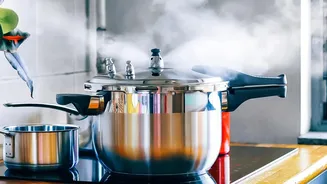
The One-Pot Philosophy
The beauty of a one-pot meal lies in its simplicity. Not only does it save you from a sink full of dishes, but it also creates a dish with an incredible depth of flavour. As ingredients cook together in a single vessel, their tastes meld and infuse into
one another, creating a rich, cohesive sauce that you just can't replicate by combining separately cooked components. From toasting spices to simmering vegetables, every step builds upon the last, resulting in a complex and harmonious final product with minimal fuss. This method is perfect for busy weeknights when you want a wholesome, home-cooked meal without the extensive preparation or cleanup.
Gathering Your Core Ingredients
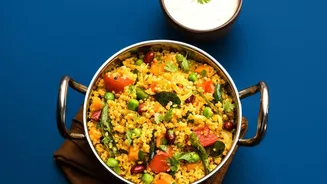
This recipe is incredibly flexible, but here are the foundational elements you'll need. For your vegetable base, aim for about five cups of hearty, chopped vegetables; a mix of potatoes, carrots, cauliflower, and bell peppers works wonderfully. For aromatics, have one chopped onion, a tablespoon of minced ginger, and a few cloves of minced garlic ready. The stars of the show are, of course, peanuts and sesame. You’ll need about a half-cup of roasted, unsalted peanuts and a quarter-cup of white sesame seeds. For the liquid, you can use water, vegetable broth, or even coconut milk for a creamier finish.
Choosing Your Regional Spices
This is where you can truly make the dish your own. Instead of a generic curry powder, opt for a specific regional Indian spice blend. For a Maharashtrian touch, find a Goda Masala, which features a slightly sweet and aromatic profile from spices like cinnamon, cloves, and toasted coconut. Alternatively, you could create a South Indian-inspired flavour base by creating a paste from roasted peanuts, sesame seeds, coriander seeds, and a touch of tamarind for tang, similar to what's used in a traditional kuzhambu. Many spice blends are readily available, or you can toast and grind your own for the freshest aroma.
Step-by-Step: Building the Dish
Start by heating a bit of oil or ghee in a large, heavy-bottomed pot or Dutch oven over medium heat. First, add your aromatics—onion, ginger, and garlic—and sauté until the onion becomes translucent. Next, 'bloom' your chosen spice blend by adding it to the pot and stirring for about a minute until it becomes fragrant. This crucial step unlocks the spices' essential oils. Now, add your chopped vegetables and stir to coat them thoroughly with the spices. Pour in about four cups of your chosen liquid (water, broth, or coconut milk), ensuring the vegetables are mostly submerged. Bring the mixture to a boil, then reduce the heat, cover, and let it simmer.
The Finishing Touches
Simmer the curry for 15-20 minutes, or until the vegetables are tender. While it's cooking, prepare your peanut and sesame. For the best flavour, dry roast the sesame seeds in a small pan until they are lightly golden and fragrant. You can either grind the peanuts and sesame seeds into a coarse powder to thicken the curry, or keep the peanuts whole for a crunchy texture. During the last five minutes of cooking, stir in your peanut and sesame preparation. If using a ground paste, this will help thicken the gravy beautifully. If using whole peanuts, they will soften slightly while retaining a pleasant bite. Taste the curry and adjust the salt or add a pinch of jaggery or sugar to balance the flavours.
Serving and Customisation
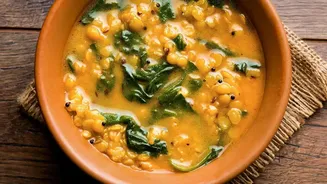
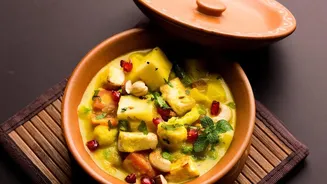
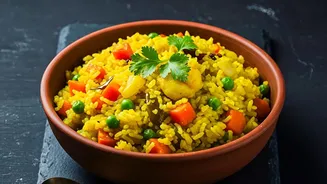
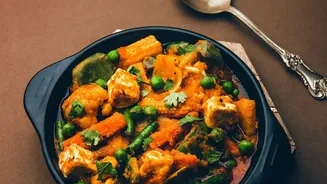
Once the vegetables are perfectly cooked and the gravy has reached your desired consistency, your one-pot dinner is ready. Ladle the hot curry into bowls and garnish generously. A sprinkle of the toasted sesame seeds you set aside, some freshly chopped coriander, and a handful of crushed roasted peanuts add fantastic texture and freshness. This dish is wonderful served over a bed of steamed basmati rice or alongside warm roti or naan for dipping. For a protein boost, you can add cubes of paneer or tofu along with the vegetables. Don't be afraid to experiment with different seasonal vegetables to create your own signature version.