




Why Humidity Wreaks Havoc
Before diving into solutions, it helps to understand the problem. Hair becomes frizzy in humid weather because it absorbs excess moisture from the air. This causes the hair's protective outer layer, the cuticle, to swell and lift, resulting in a rough,
frizzy texture instead of a smooth one. The constant dampness can also lead to a host of scalp issues, including dandruff and fungal infections, making proper drying essential.
Upgrade Your Towel
Your regular cotton bath towel might be contributing to your hair woes. The rough texture can create friction, roughing up the hair cuticle and causing frizz and breakage. A simple yet effective upgrade is switching to a microfiber towel. These towels have ultra-fine, tightly woven fibers that absorb water much faster and more gently, reducing friction and the need for vigorous rubbing. If you don't have a microfiber towel, a soft, old cotton t-shirt is a great alternative that offers similar gentle-drying benefits.
Blot and Squeeze, Don't Rub
Technique is just as important as the tool you use. Instead of rubbing your hair aggressively, which only leads to tangles and frizz, gently squeeze and blot out the excess water. Work in sections, pressing the microfiber towel or t-shirt against your hair to soak up moisture. This gentle approach helps keep the hair cuticle smooth and prevents unnecessary damage, especially when your hair is in its most vulnerable wet state.
Use Your Hair Dryer Strategically
While it's best to minimise heat styling during the monsoon, sometimes a blow dryer is necessary. If you use one, always apply a heat protectant first to shield your strands. Work in sections and use a nozzle to direct the airflow down the hair shaft, from root to tip. This helps to smooth the cuticles flat. Once your hair is about 80% dry, switch to the cool shot setting. This blast of cold air seals the cuticles, locking in your style and adding a dose of shine.
Never Leave Your Scalp Damp
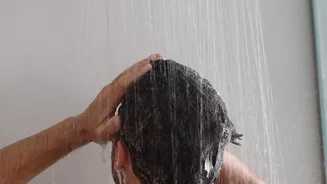
One of the biggest mistakes during the monsoon is leaving your scalp damp. A moist scalp is a breeding ground for fungal growth, leading to itchiness, dandruff, and even hair fall. When drying, focus on your roots first. Ensure your scalp is completely dry, even if the lengths of your hair are still slightly damp. This helps maintain scalp health and prevents common rainy-season problems. Never tie your hair up or go to bed when it's wet.
Layer Products to Create a Barrier
The secret to fighting frizz is creating a shield against humidity. This is best done by layering the right products on damp hair. Start with a lightweight leave-in conditioner to hydrate your strands. Follow up with an anti-humidity or anti-frizz serum, often containing silicones, which form a protective coating over the hair shaft. This barrier helps prevent moisture from the air from penetrating your hair, keeping it smoother for longer. If you have fine hair, focus these products on the mid-lengths and ends to avoid weighing down your roots.
Embrace Protective Hairstyles
Some days, the best defence is a good offence. Protective styles like loose braids, buns, or ponytails can be lifesavers during the monsoon. These styles keep your hair contained and less exposed to the humid air, minimising the opportunity for frizz to develop. Just be sure not to tie your hair too tightly, as this can cause tension and breakage, especially when hair is already weakened by the weather.