






The Engine of Quick Commerce
The demand for everything from groceries to gadgets delivered in minutes, not days, has exploded across India. To meet this expectation for speed, companies are rethinking their entire logistics network. The traditional model of large, centralized warehouses
located on the outskirts of major metros is no longer sufficient. Fulfilling an order from a massive warehouse far from the city center makes a 30-minute delivery promise impossible to keep. This intense pressure for speed is forcing a strategic shift, pushing companies to position their products closer to where their customers live and work.
What are Micro-Fulfillment Centers?
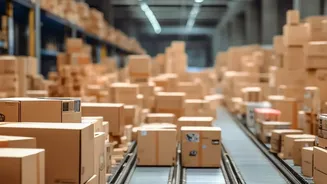
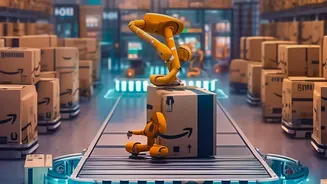
Enter the micro-fulfillment center (MFC). Think of it not as a giant warehouse, but as a small, highly efficient mini-warehouse, often no larger than a few thousand square feet. These compact hubs are strategically placed within urban and semi-urban neighborhoods. They stock a limited range of high-demand products, using advanced technology and automation to process online orders at lightning speed. This model, central to the operations of quick commerce giants, allows a package to be picked, packed, and out for delivery within minutes of a customer clicking 'buy'.
The Strategic Shift to Tier 2 Cities
While metros remain crucial, the real action is now shifting to Tier 2 cities like Jaipur, Lucknow, Coimbatore, and Indore. The business logic is compelling. These cities represent a massive, largely untapped consumer base with growing disposable incomes. Furthermore, operating costs, including real estate, are significantly lower than in Tier 1 metros. As companies from e-commerce, retail, and logistics sectors expand their footprint, they are finding that Tier 2 cities offer not just new customers, but also a willing and available workforce, making them the new frontiers for growth.
A New Wave of Local Employment
This expansion is creating a surge in local job opportunities that go far beyond delivery roles. Each MFC requires a team of skilled and semi-skilled professionals to function. This includes warehouse managers, inventory specialists, operations associates, tech support staff, and customer service executives. According to staffing firms, the demand for temporary and flexi-staff in these cities is growing at a much faster rate—up to 25% year-on-year—compared to single-digit growth in the metros. This trend is redrawing India's employment map, with smaller cities now accounting for a larger share of festive and seasonal hiring than ever before.
The Ripple Effect on Local Economies
The impact of this hiring boom extends beyond direct employment. The influx of jobs brings more disposable income into the local economy, boosting small businesses and the service sector. It creates a positive feedback loop: as logistics infrastructure improves to support e-commerce, it also becomes an asset for local manufacturers and small businesses, connecting them to wider markets. This shift is not just about delivering packages faster; it's about building a more distributed economic engine and bringing a new set of career opportunities to regions previously overlooked by major corporations.