




Meet Vetiver: Nature’s Air Conditioner
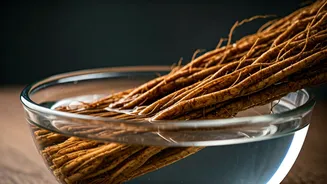
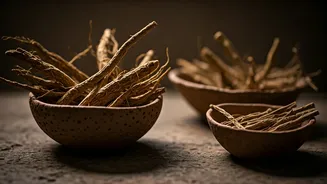
Vetiver, known locally as ‘khus’, is a type of perennial grass native to India. While it might look like a humble clump of dried roots, it has been a cornerstone of Ayurvedic and traditional practices for centuries, celebrated for its profound cooling
properties. The magic lies in its earthy, fragrant roots, which are harvested, dried, and used in a myriad of ways to combat the sweltering heat. From fragrant sherbets to woven screens sprinkled with water, khus is the scent and soul of Indian summer, offering a natural respite when the mercury climbs.
The Science Behind the Cooling Sensation
So, how does a simple root work so effectively against oppressive heat? In Ayurveda, vetiver is classified as a ‘sheeta virya’ herb, meaning it has a cooling potency that helps pacify pitta dosha—the bodily energy associated with heat and metabolism. When you soak vetiver roots in water, they release their essential oils, which are rich in compounds like khusimol and vetivone. These compounds are not only responsible for the root's distinctive woody and earthy aroma but also possess refrigerant (cooling) and calming properties. Drinking this infused water helps cool the body from the inside out, replenishing fluids and providing a deep sense of refreshment that a simple glass of cold water often can't match. It’s a gentle, systemic approach to managing body heat.
How to Prepare Vetiver-Infused Water
Making your own cooling vetiver water is incredibly simple. This is the most direct way to harness its benefits.
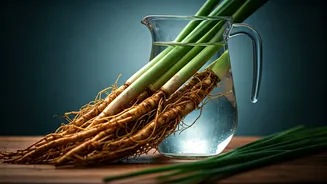
1. **Source and Clean the Roots:** Purchase a bundle of vetiver roots from a local market or an Ayurvedic store. Ensure they are clean and free from dust or debris. Hold the bundle under running water and rinse it thoroughly. You might need to gently scrub them to remove any stubborn dirt.
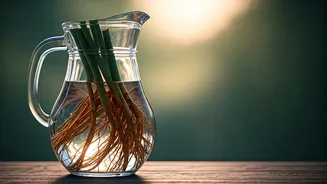
2. **Soak Overnight:** Take a small handful of the cleaned roots and place them in a large glass jug or a traditional earthen pot (matka) filled with drinking water. The porous nature of a matka further enhances the cooling effect.
3. **Let It Infuse:** Allow the roots to soak for at least 8-10 hours, or preferably overnight. The water will slowly take on a faint golden hue and a subtle, earthy fragrance.
4. **Strain and Drink:** The next morning, your vetiver-infused water is ready. You can strain it into a bottle or drink it directly from the jug. It’s best consumed at room temperature or slightly chilled. Avoid adding ice, as the purpose is to cool the system gently.
Beyond Drinking Water: Other Uses
Vetiver’s versatility extends far beyond just infused water. To fully embrace its cooling power, you can integrate it into your home and routine in several other ways.
* **Khus Curtains or Mats:** Traditionally, screens woven from vetiver roots are hung in doorways and windows. When sprinkled with water, the passing breeze becomes cool and fragrant, acting as a natural air cooler.
* **A Cooling Bath:** Add a bundle of vetiver roots to a bucket of warm water and let it sit for about an hour before your bath. This not only cools the body but also imparts a beautiful scent to your skin and helps prevent summer boils and rashes due to its antiseptic properties.
* **In Your Water Pot (Matka):** Simply placing a small bundle of clean vetiver roots at the bottom of your earthen matka will keep the water cool and give it a pleasant, therapeutic aroma all day long.
A Few Things to Keep in Mind
To get the most out of your vetiver, quality and hygiene are key. Always buy your roots from a reputable source to ensure they are free from pesticides or contaminants. The same bundle of roots can be reused for 2-3 days. After that, it’s best to discard them and use a fresh batch to prevent any microbial growth. Before each reuse, rinse the roots well. Once you are done with the roots, you can sun-dry them and use them as a natural, aromatic wardrobe sachet to repel insects.