




The Problem with the Beaten Path
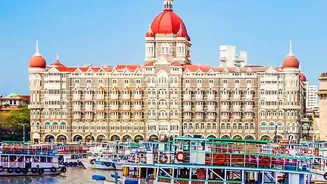
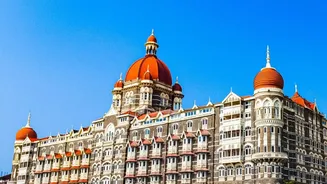
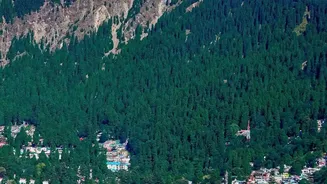
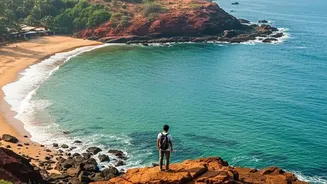
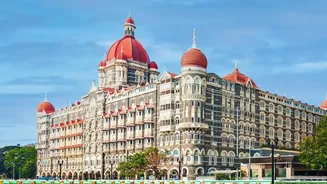
Iconic Indian destinations, from the beaches of Goa to the mountains of Manali, are increasingly suffering from 'overtourism'. This happens when a place receives more visitors than it can sustainably handle, leading to environmental degradation, strained
local infrastructure, and a diluted cultural experience. For travellers, this often means inflated prices for hotels and food, long queues for attractions, and a sense of being in a tourist trap rather than a genuine place. The very beauty that draws crowds is being threatened by the sheer volume of visitors. This cycle of overcrowding has pushed many to ask: is there a better way to travel?
The Budget-Friendly Advantage of Going Offbeat
One of the most compelling reasons to explore offbeat locations is the significant cost savings. When you step away from tourist hotspots, the basic laws of supply and demand work in your favour. Accommodation is a prime example. Instead of expensive hotels, you'll find locally-run guesthouses and homestays that are not only lighter on the wallet but offer a richer, more authentic experience. Food costs also drop as you're more likely to eat at local eateries serving authentic cuisine at local prices. Transportation can be cheaper too, with a greater reliance on state buses or shared taxis instead of private tourist cabs. This affordability isn't about being 'cheap'; it's about spending smarter and getting more value and experience for your money.
A Kinder, More Sustainable Way to Explore
The shift towards offbeat travel aligns perfectly with a growing desire for sustainability. A recent survey showed that 88% of Indian travellers consider sustainability important, with many defining it as travel that benefits local communities. Choosing a homestay in a lesser-known village ensures your money goes directly into the hands of a local family, fostering community development and entrepreneurship. This model stands in contrast to large hotel chains where profits are often centralized. Environmentally, offbeat travel carries a smaller footprint. These areas lack the resource-intensive infrastructure of major tourist hubs, and visitors are often more mindful of their impact. It encourages practices like conserving water, reducing waste, and respecting fragile ecosystems, making tourism a force for preservation, not destruction.
Rich Experiences Beyond the Selfie Point
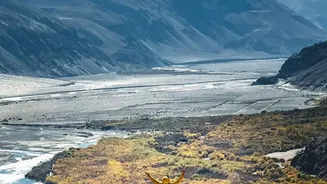
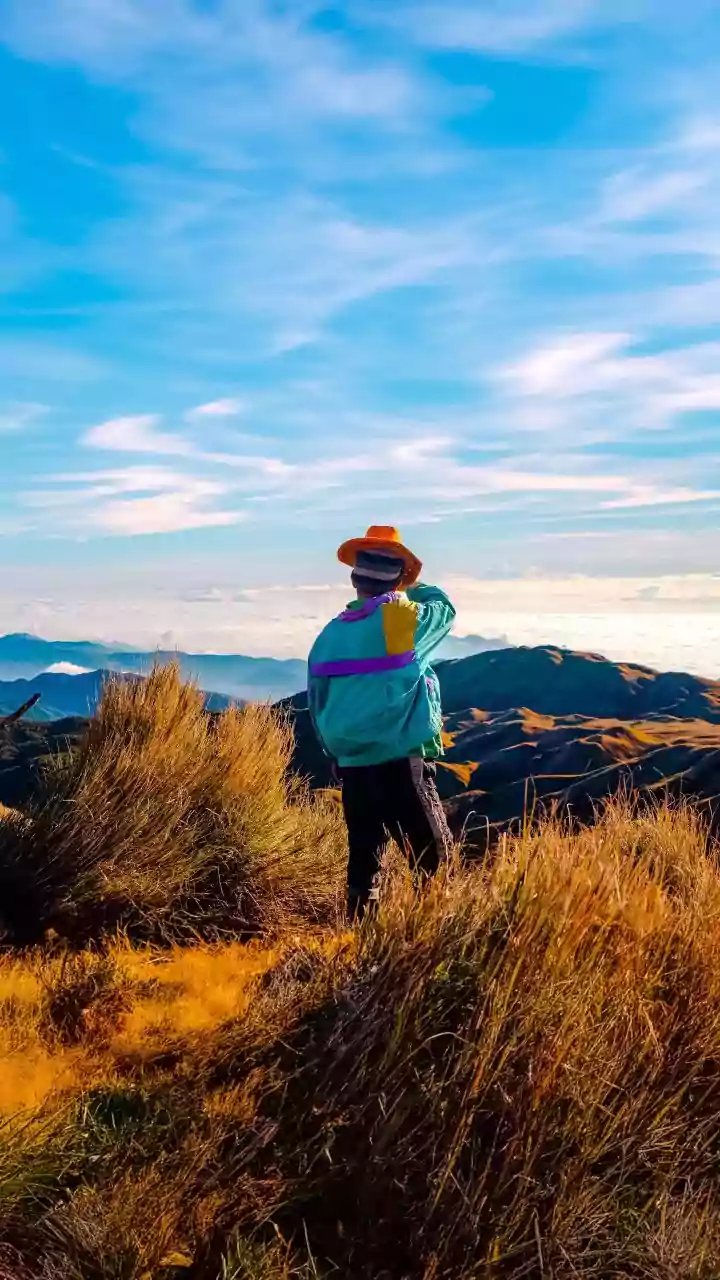
Beyond the economic and environmental benefits, offbeat travel offers a profound personal reward: authenticity. It moves travel from a checklist of sights to a collection of meaningful experiences. Instead of jostling for a photo, you might find yourself sharing a cup of chai with your homestay host, learning about local traditions, or discovering a hidden waterfall on a quiet trek. This slower, more immersive form of travel allows for genuine cultural exchange and a deeper connection to the place you're visiting. It's about finding peace away from the crowds and creating memories that last longer than an Instagram story. Recent reports show a clear trend: travellers are increasingly seeking these deeper connections and are willing to visit lesser-known places to find them.
How to Start Your Offbeat Journey
Finding these hidden gems is easier than you might think. Start by looking at regions just beyond the popular hubs. Read travel blogs or look at social travel platforms that focus on curated, responsible trips. Talk to fellow travellers or even your homestay host for recommendations. The key is to be flexible and open to discovery. Instead of a rigid itinerary, allow for spontaneous detours. Opt for a train journey over a flight for a portion of your trip; it’s not only more sustainable but offers a different perspective on the landscape. The goal isn't to find a place no one has ever heard of, but to find a place that feels true to itself, away from the commercial gloss of mass tourism.