


A Return to Our Roots
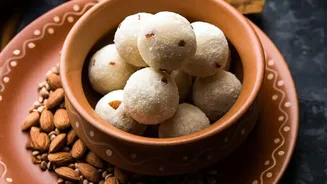
For generations, the Indian festive plate has been laden with sweets made from refined flour (maida), semolina (suji), and sugar. While delicious, these treats often lead to a familiar feeling of post-celebration sluggishness. Now, a growing number of health-conscious
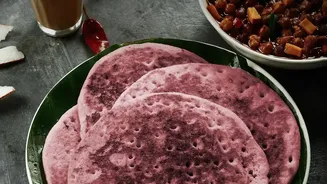
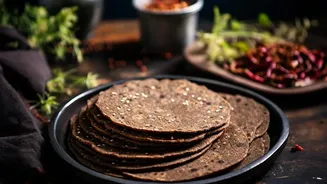
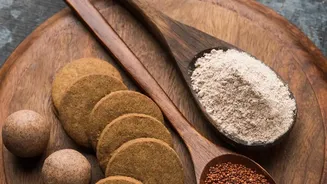
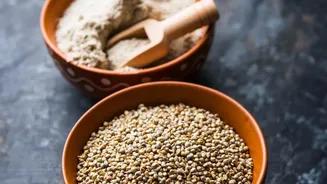
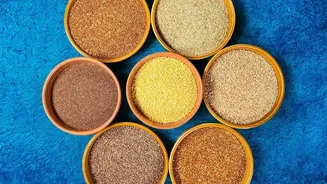
home cooks, chefs, and food brands are looking back to our agricultural heritage for a solution. Millets like ragi (finger millet) and bajra (pearl millet), once staples across the subcontinent, are making a powerful comeback. Long before wheat became dominant, these grains nourished entire regions—ragi in the south and bajra in Rajasthan and Gujarat. This resurgence is not just about health; it's a cultural shift, reclaiming ingredients that are deeply Indian and elevating them into modern, desirable foods.
The Nutritional Powerhouses
So, what makes ragi and bajra the heroes of this healthy dessert movement? The science is compelling. Compared to refined wheat flour, ragi and bajra are nutritional powerhouses. Ragi boasts nearly three times the dietary fibre of refined wheat flour and is one of the richest plant-based sources of calcium, essential for bone health. Bajra is a fantastic source of iron, protein, and magnesium, providing sustained energy. Both millets have a lower glycemic index, which means they release sugar into the bloodstream more slowly, preventing the sharp spikes associated with traditional sweets. This makes them a smarter choice for everyone, including those managing their blood sugar. Their high fibre content also aids digestion and keeps you feeling full for longer.
From Halwa to Laddoos: A Guilt-Free Makeover
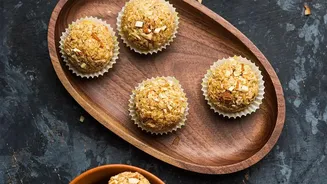
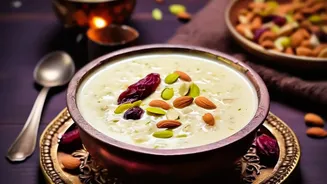
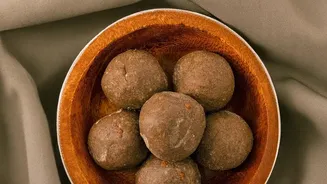
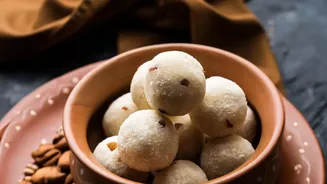
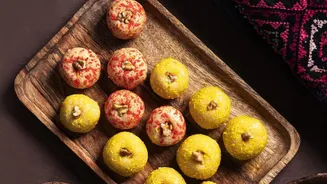
The best part of this revolution is that taste is not compromised. Chefs and home bakers are creatively adapting beloved recipes. Imagine a rich, nutty Ragi Halwa, sweetened with jaggery instead of sugar, offering deep flavour and nutrition. Or picture Bajra Laddoos, packed with the goodness of pearl millet, ghee, and nuts. Traditional favourites like barfis, kheers, and even cakes are being reinvented with millet flours. The earthy, nutty flavour of ragi and bajra pairs beautifully with traditional sweeteners like jaggery and classic Indian spices like cardamom. The result is a range of desserts that are not only lighter and more nourishing but also offer a complex, satisfying taste that processed ingredients simply cannot match.
Who is Driving the Change?
This trend is being fueled by a collective shift in mindset. Urban home kitchens are at the forefront, with families seeking to balance tradition and well-being. Social media is filled with recipes and images of these healthy creations, inspiring more people to experiment. Simultaneously, a new wave of food startups and artisanal sweet makers are championing clean-label Indian sweets, focusing on whole grains, natural sweeteners, and no preservatives. Even renowned chefs are incorporating these humble grains into their dessert menus, giving them a gourmet seal of approval. This is a movement driven by consumers who are more informed and intentional about their food choices, demanding options that are both delicious and genuinely good for them.