






Beyond the Sunday Scroll
In our 'always-on' culture, the lines between work and life have not just blurred; they have all but vanished. The traditional nine-to-five has been replaced by a digital tether, with work-related messages and emails interrupting us constantly. [16, 20]
Research shows this contributes to excessive pressure and is a leading cause of poor mental health. [16] Many of us spend our weekends catching up, preparing for the week ahead, or simply scrolling through feeds, leaving us feeling drained rather than restored. Studies have found that working during time our brain has marked as 'off,' like a weekend, actually makes the work feel less enjoyable and harms our motivation. [19] This cycle of digital overload and professional pressure leads to burnout, a state of emotional and physical exhaustion that leaves little room for joy or rest.
A Scientific Case for Creativity
The turn toward creative pastimes is not just a whim; it's a science-backed strategy for better well-being. Engaging in creative activities like painting, writing, or playing an instrument is proven to have profound psychological benefits. [15] One of the most significant is stress reduction. Research has shown that just 45 minutes of art-making can lower levels of cortisol, the body's primary stress hormone, in the majority of people. [1, 6] You don't need to be an expert to feel these effects; the simple act of creating is what matters. [1] These hobbies also help us achieve a 'flow state,' a meditative condition where we are so absorbed in an activity that we lose track of time and our anxieties fade into the background. [7] This provides a much-needed mental break, allowing our brains to recharge.
An Identity Outside Your Job Title
For many, our professional lives dominate our sense of self. A creative hobby offers a powerful way to build an identity that is entirely our own, separate from our job title or career performance. [1, 4] Finishing a drawing, mastering a new recipe, or writing a short story provides a tangible sense of accomplishment that boosts self-esteem. [2] In a world of digital tasks and team projects, the ability to create something from start to finish is uniquely fulfilling. This personal growth and skill development can foster a sense of purpose and pride that carries over into other areas of life. [15] It reminds us that we are more than just our productivity, and that our value is not tied to our professional output.
The Joy of Making Something Real
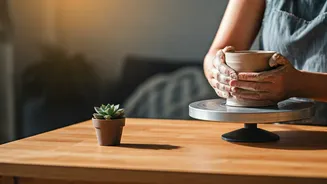
After a week spent staring at screens, typing on keyboards, and living in the abstract world of data and emails, there is a unique satisfaction in creating something tangible. Hobbies like pottery, knitting, gardening, or woodworking allow us to engage our hands and minds in a completely different way. [2, 8] This physical engagement can improve hand-eye coordination and fine motor skills, but the real magic is in the sensory experience. [2] The feeling of clay on a wheel, the texture of yarn, or the smell of freshly baked bread grounds us in the present moment. It’s a form of mindfulness that disconnects us from digital distractions and connects us to the physical world, offering a welcome contrast to the often-ephemeral nature of our daily work.
How to Begin Your Creative Journey
The idea of starting a new hobby can feel like another item on an already long to-do list. The key is to start small and choose something that genuinely interests you, not what you think you *should* be doing. Consider activities with a low barrier to entry. Journaling or sketching requires only a notebook and a pen. [4] If you enjoy cooking, try a new, complex recipe. Photography can be explored with just the phone in your pocket. [9] Other accessible ideas include adult colouring books, learning a few chords on a ukulele via online tutorials, or even trying a simple gardening project on a windowsill. [10, 12] The goal isn't perfection; it's the process. Give yourself permission to be a beginner and focus on the enjoyment of learning and creating.