








Beyond the Metros: The New E-commerce Heartland
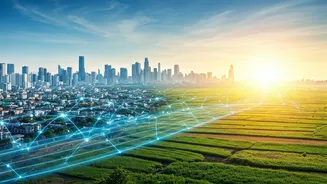
The initial wave of e-commerce in India was a metro-centric affair, dominated by consumers in cities like Mumbai, Delhi, and Bengaluru. However, this landscape is undergoing a dramatic transformation. The new engine of growth is located in India's Tier-2
and Tier-3 cities, which now account for the majority of online demand. According to some analyses, these smaller cities contributed around 60-65% of e-commerce orders, especially during peak festive seasons. This shift is driven by rising aspirations, increased digital readiness, and a burgeoning middle class in these regions. Consumers in cities like Jaipur, Indore, and Coimbatore are no longer experimental shoppers; they are informed, active, and driving substantial growth, forcing brands to look beyond a one-size-fits-all national strategy.
The Language Imperative: Speaking the Customer's Tongue
A crucial element of this regional shift is language. As e-commerce penetrates deeper into 'Bharat', an English-first approach is no longer viable. There is a massive and growing base of vernacular internet users who are more comfortable browsing, searching, and buying in their native languages. This has led to a surge in voice-based and vernacular searches, with some platforms seeing a 3x to 5x growth in such queries. Companies are realizing that localization is more than just translation; it involves creating culturally resonant content, using regional terminology for products, and offering customer support in local languages. Platforms that invest in a 'vernacular-first' strategy are finding it easier to build trust, lower entry barriers, and improve customer retention in these new markets.
Hyperlocal: From Days to Minutes
The regionalization of commerce is not just about who is buying, but how they are being served. The traditional hub-and-spoke logistics model, which relies on large, centralized warehouses, is being complemented and sometimes replaced by hyperlocal delivery networks. This model involves sourcing goods from nearby local stores, dark stores, or micro-warehouses to deliver orders within a small geographic radius, often in minutes or hours rather than days. The rise of quick commerce platforms for groceries and other essentials has set a new standard for speed that is now expected across other categories. This push towards hyperlocal fulfillment is not only meeting consumer demand for speed but also empowering local retailers and SME's by integrating them into the digital supply chain.
Tailoring the Assortment for Regional Tastes
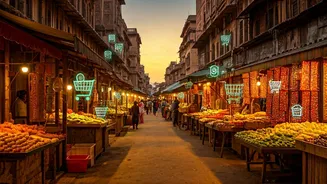
Consumers in different parts of India have unique needs and preferences based on local culture, climate, and traditions. A product assortment that is successful in North India may not resonate with shoppers in the South. Brands are increasingly aware of these regional consumption patterns and are tailoring their product offerings accordingly. This could mean promoting different types of apparel based on regional festivals, offering food products that cater to local palates, or marketing electronics based on specific use-cases prevalent in a region. This granular approach extends beyond products to include payment options, where cash-on-delivery might be more dominant in some areas while UPI is preferred in others.
Empowering Local Sellers with ONDC
The move towards a regional e-commerce ecosystem is being accelerated by government-backed initiatives like the Open Network for Digital Commerce (ONDC). ONDC aims to democratize digital commerce by creating an open, interoperable network that allows small, local sellers to connect with buyers without being dependent on large, dominant platforms. This levels the playing field, allowing a small artisan from a Tier-3 town to gain visibility and access a national market. By unbundling services like logistics and payments, ONDC empowers small and medium-sized enterprises (MSMEs) to retain control over their pricing and customer data, fostering a more inclusive and competitive digital ecosystem. As of early 2025, over 500,000 sellers had already been onboarded, a significant portion of whom are from smaller cities and towns.