





The Ultimate Comfort: Masala Khichdi
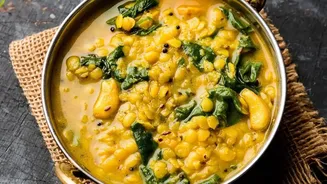
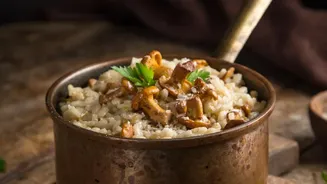
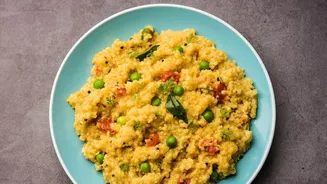
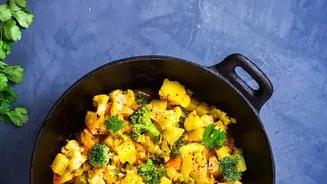
There's a reason khichdi is considered the ideal monsoon food in both Ayurveda and modern nutrition. This one-pot meal of rice and lentils is the epitome of comfort food—warm, satisfying, and incredibly easy to digest. During the rainy season, when humidity
can make digestion feel sluggish, a light meal is often the best choice. You can elevate a simple khichdi by adding seasonal vegetables like carrots, peas, and beans, and tempering it with digestive spices like cumin, ginger, and a pinch of turmeric. A spoonful of ghee on top not only adds flavour but also provides healthy fats. This complete meal provides a balanced mix of carbohydrates and protein, making it perfect for a light yet fulfilling dinner.
A Warming Embrace: Spiced Soups and Rasam
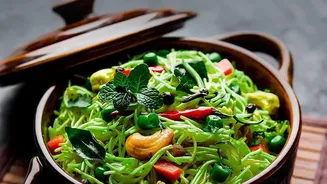
Nothing beats a steaming bowl of soup on a chilly, wet day. Rather than heavy, cream-based soups, the monsoon is a perfect time for lighter, broth-based options seasoned with Indian spices. A simple tomato shorba or a mixed vegetable soup seasoned with cumin and black pepper can be incredibly comforting. In South India, pepper rasam is a go-to during gloomy weather. Made with tamarind, black pepper, and other aromatic spices, it's a wonderfully warm and flavourful dish that's light on the stomach. These soups not only provide warmth and hydration but are also packed with vitamins and minerals, helping to support your immunity during a season known for infections.
Hearty and Wholesome: Vegetable and Lentil Stews
For a dinner that is more substantial but still aligns with the principle of eating light, a hearty vegetable and lentil stew is an excellent option. Think of a home-style sambar, but perhaps a bit lighter, or Odisha’s Dalma, which combines lentils and monsoon vegetables like pumpkin and bottle gourd. Such stews are packed with plant-based protein and fibre. Using seasonal monsoon vegetables like bottle gourd (lauki), ridge gourd (turai), and pumpkin ensures you're eating fresh and local. These dishes are typically less oily and spicy than restaurant fare, making them easier on the digestive system. Serve it with steamed rice, brown rice, or millet rotis for a complete and nourishing meal.
Going with the Grain: Millets and Light Rotis
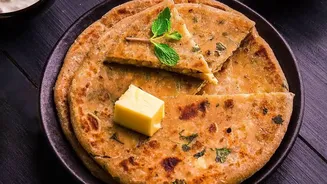
The rainy season is an ideal time to incorporate different grains into your diet, especially millets. Traditional millets like jowar, bajra, and foxtail millet are rich in fibre and have a low glycemic index, making them both filling and healthy. You can prepare a simple millet pulao with vegetables or make a comforting porridge. Another great dinner option is pairing soft rotis with a simple dal. You can make the rotis more nutritious by adding pureed spinach (palak) or fenugreek leaves (methi) to the dough. Paired with a simple moong dal—which is known for being particularly light and easy to digest—it creates a balanced meal that is comforting without being heavy.
The Quick and Healthy Pancake: Moong Dal Chilla
While often seen as a breakfast or snack item, a moong dal chilla can make for a wonderfully light and nutritious dinner. Made from a batter of soaked green moong dal, these savoury pancakes are high in protein and don't require fermentation. You can make them more substantial by adding finely chopped or grated vegetables like onions, tomatoes, and capsicum to the batter. Season the batter with ginger and green chillies for that extra flavour kick. Serve them hot off the tawa with a side of mint chutney for a quick, healthy, and satisfying dinner that is perfect for a rainy evening when you don't want to spend hours in the kitchen.