





Why Two Sessions Are Better Than One
The idea of a single, marathon cooking session on the weekend sounds efficient, but it often leads to burnout and food fatigue by Thursday. A two-session approach keeps meals fresher and the process less daunting. The first session is about heavy lifting—cooking
foundational ingredients. The second, a shorter mid-week session, is for quick assembly, fresh components, and final touches. This method ensures that meals later in the week don't just feel like tired leftovers, making home-cooked dinners a sustainable habit rather than a chore.
Session One: The Weekend Power Prep
Dedicate about 90 minutes to two hours for this session, typically on a Sunday. The goal is to prepare components that take the longest to cook. Focus on creating a base of ingredients you can mix and match. Cook a large pot of a staple grain like brown rice or quinoa. Roast a big tray of versatile vegetables such as broccoli, sweet potatoes, and onions. Prepare one or two proteins; think about a large pot of dal, shredded chicken in a slow cooker, or marinating tofu or chicken for later in the week. You can also make a base masala or sauce that can be used in multiple dishes. This session isn't about making full meals, but creating the building blocks for the week ahead.
Session Two: The Mid-Week Refresh
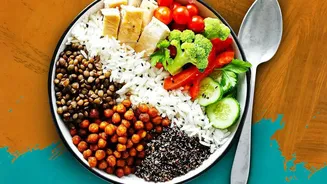
This session should be much shorter, around 30 to 45 minutes on a Wednesday or Thursday evening. Its purpose is to add freshness and variety to the components you prepped over the weekend. Use this time to wash and chop fresh salad greens, create a quick dressing, or steam some quick-cooking vegetables. You could also use your pre-marinated protein for a fast stir-fry or grill. This is the time to assemble grain bowls from your pre-cooked bases or turn that pot of dal into a dal fry with fresh tempering. This brief kitchen time revitalizes your meal plan and prevents the monotony of eating the same thing for days on end.
Smart Planning and Shopping
Success starts before you even turn on the stove. Spend 15 minutes before your weekend shop to plan your meals. Think in terms of components rather than seven distinct recipes. A good model is the 3-3-2 method: three proteins, three vegetables or grains, and two sauces or dressings. For example, your list might include chicken, eggs, and chickpeas for protein; quinoa, sweet potatoes, and spinach for carbs and veggies; and a tomato sauce and a yogurt-based dressing for flavour. This strategy simplifies your grocery list and ensures everything you buy has a purpose, reducing food waste and decision fatigue.
Putting It All Together: A Sample Week
Here’s how it could look. In Session One (Sunday), you cook a batch of quinoa, roast sweet potatoes and bell peppers, and make a large batch of slow cooker pulled chicken. You also hard boil half a dozen eggs. In Session Two (Wednesday), you quickly make a fresh salsa and a simple vinaigrette. With these components, your week's meals can include chicken and quinoa bowls with roasted vegetables for Monday/Tuesday lunch, and pulled chicken sandwiches for dinner. After your mid week refresh, you can have a fresh salad with hard boiled eggs and vinaigrette for Thursday's lunch and use the remaining chicken and salsa for quick tacos on Friday.