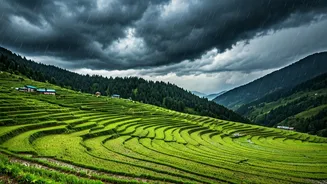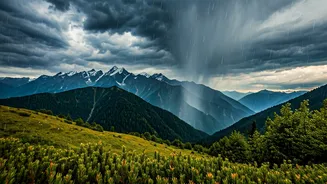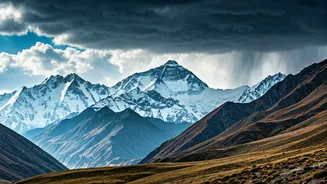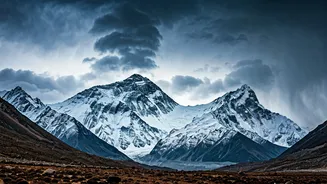







An Unseasonable Deluge
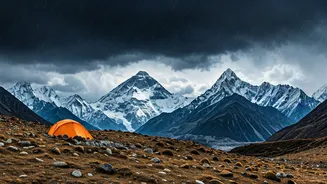
While the rest of India eagerly awaits the cooling relief of the monsoon, parts of the Himalayan belt are already experiencing intense, monsoon-like conditions. States like Himachal Pradesh, Uttarakhand, and Jammu & Kashmir have been hit by widespread,
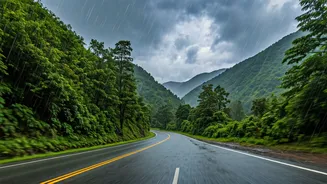
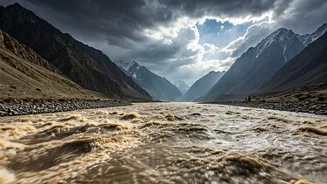
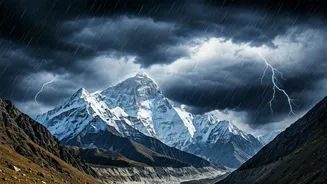
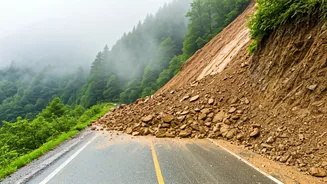
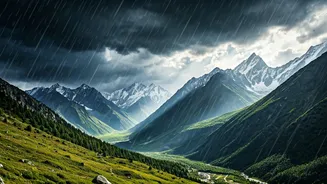
heavy rainfall and even unseasonal snowfall in higher altitudes. These are not the typical, scattered pre-monsoon showers. We're seeing torrential downpours leading to flash floods, landslides, and a significant drop in temperatures, disrupting life weeks before the official monsoon onset is expected in the region. This premature and intense rainfall has caught residents, tourists, and authorities by surprise, turning a typically pleasant season into a period of high alert.
The Culprit: Western Disturbances
So, what's causing this weather anomaly? The primary driver is a series of strong and active 'Western Disturbances'. These are extratropical storms originating in the Mediterranean region that travel eastward, gathering moisture along the way. When they hit the Himalayas, they are forced to rise, causing precipitation in the form of rain or snow. While Western Disturbances are a normal feature of India's winter and pre-monsoon weather, their recent behaviour is what’s concerning. Meteorologists have noted that the frequency, intensity, and moisture content of these disturbances have been unusually high this year. Instead of weak systems bringing light showers, we are seeing powerful ones delivering significant amounts of rain, more typical of the peak monsoon season itself.
Immediate Consequences and Warnings
The real-world impact of this unseasonal weather is being felt across the hills. In Himachal Pradesh and Uttarakhand, authorities have had to issue repeated weather warnings. The heavy rain has saturated the soil on fragile mountain slopes, triggering landslides that have blocked national highways and local roads, isolating villages and creating long traffic snarls. The Char Dham Yatra in Uttarakhand, a pilgrimage that sees lakhs of devotees, has faced multiple disruptions, with authorities urging pilgrims to check weather conditions before travelling. The tourism industry, which relies heavily on the May-June peak season, is also feeling the pinch as travellers reconsider their plans amid the hostile weather. The situation serves as a stark reminder of the region's vulnerability to extreme weather events.
Is This the New Normal?
This event isn't happening in a vacuum. It fits into a larger, worrying pattern linked to climate change. Scientific studies and observations from the India Meteorological Department (IMD) suggest that weather patterns in the Himalayas are becoming more erratic and extreme. The delicate ecology of the region is highly sensitive to temperature changes. A warmer atmosphere can hold more moisture, which means when it does rain, it rains harder. The behaviour of Western Disturbances is also being influenced by broader global warming trends, potentially making them more intense and unpredictable. What was once considered a 'freak' weather event may be becoming a more regular feature of the pre-monsoon season, forcing a major rethink of infrastructure planning, disaster management, and agricultural practices in the Himalayan states.
What Does This Mean for the Monsoon?
A common question is whether these early rains will affect the main Southwest Monsoon. The short answer is: not directly. The Southwest Monsoon and Western Disturbances are two distinct weather systems driven by different atmospheric phenomena. The monsoon is a seasonal wind system powered by the temperature difference between the land and the sea. Therefore, heavy pre-monsoon showers in the north do not necessarily predict a weaker or stronger monsoon for the rest of the country. However, the overlap of these systems can create complex and dangerous weather conditions. A strong Western Disturbance interacting with moisture-laden monsoon winds can lead to extremely heavy and concentrated rainfall, increasing the risk of catastrophic events like the 2013 Kedarnath floods.