







A Paradise Under Pressure
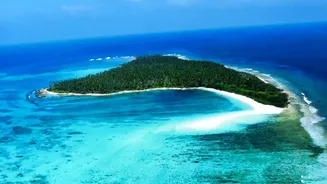
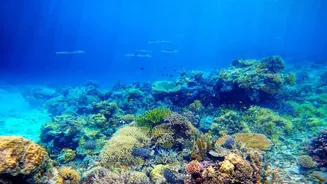
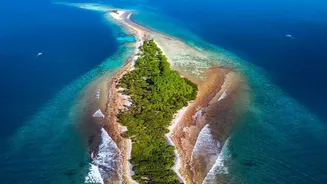
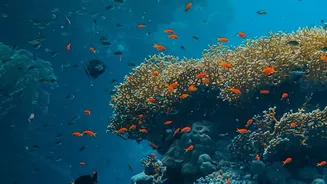
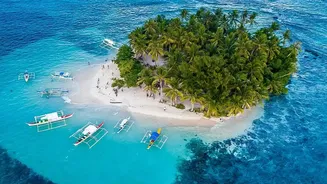
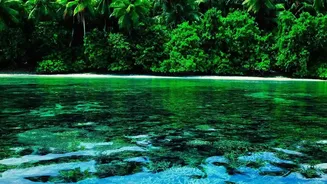
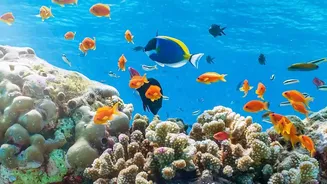
Lakshadweep is an archipelago of 36 coral islands, renowned for some of Asia's most pristine marine ecosystems. Its turquoise lagoons, sun-kissed beaches, and vibrant reefs teeming with over 600 species of fish make it a jewel in the Arabian Sea. However,
this idyllic image has been under growing strain. A massive spike in tourism interest has brought economic opportunities but also significant environmental pressure. Unregulated tourism can have devastating effects on such a delicate balance. Activities like walking on shallow reefs, pollution from plastic and sewage, and damage from boat anchors pose a direct threat to the coral, which are living animals. Experts have warned that issues like coastal erosion and freshwater shortages are being compounded by the influx of visitors, pushing the ecosystem towards a tipping point.
New Rules for Conscious Travel
To counter these threats, the Lakshadweep administration has introduced a framework of sustainable travel protocols. While headlines might suggest a clampdown, the recent changes announced in April 2026 are more of a restructuring aimed at better management. The mandatory entry permit system for all non-islanders remains, but it has been streamlined. Tourists no longer need a local sponsor or a police clearance certificate from their hometown, removing major hurdles for independent travellers. However, control and oversight have been tightened in other areas. Applications must be submitted online via the ePermit portal at least 14 days in advance and must specify every island a tourist plans to visit, including transit stops. Island hopping outside this pre-approved itinerary is now strictly forbidden, ensuring that tourist footfall is monitored and controlled.
Why This Change Is Critical
The new protocols are not just bureaucratic adjustments; they are a direct response to clear and present environmental dangers. Lakshadweep's coral reefs, the very foundation of its ecosystem and tourist appeal, are exceptionally vulnerable. Recent studies have highlighted alarming coral bleaching events in the region due to rising sea temperatures. When corals bleach, they expel the algae living in their tissues, turning completely white and putting them at high risk of death. This not only destroys marine habitats but also jeopardizes the livelihood of local fishing communities. Furthermore, the administration has been battling issues like the illegal harvesting of protected species like sea cucumbers, which play a vital role in maintaining the health of the reef. By managing the flow of people, authorities aim to reduce direct physical damage to the reefs and better control waste and pollution.
Planning Your Trip Under the New System
For travellers, these changes mean planning a trip to Lakshadweep requires more careful preparation but is ultimately more straightforward. The key is to have a confirmed itinerary before applying for the permit. This includes proof of accommodation at a registered resort or homestay. All applications are processed online, and it is strongly advised to wait for permit approval before booking non-refundable flights. Transit is now restricted to the islands of Agatti and Kavaratti, with a maximum layover of 12 hours, to control movement between islands. While the rules are stricter, they aim to preserve the very beauty that draws visitors. The shift is towards a model of tourism that values quality over quantity, ensuring a more meaningful and less impactful experience for everyone.
A Potential Blueprint for India
Lakshadweep’s proactive stance could serve as a vital case study for other ecologically fragile tourist destinations across India. From the Himalayan regions to other coastal treasures, many areas are grappling with the double-edged sword of tourism. The archipelago’s new model—which combines simplified access with stringent on-the-ground regulation—prioritizes long-term ecological health over short-term commercial gains. The administration has also been bolstering its conservation efforts in parallel, creating new marine reserves and launching programs to protect sea turtles. This holistic approach demonstrates a commitment to ensuring that this national treasure can be enjoyed by future generations, not just consumed by the present one.