





The Burnout Generation's Search for an Antidote
For many young professionals in India, life is an endless cycle of deadlines, notifications, and the pressure to be constantly productive. This 'always-on' lifestyle has led to a silent epidemic of burnout, with issues like chronic stress, anxiety, and poor
sleep becoming increasingly common. A 2025 survey highlighted that a staggering 72% of Indian employees have felt burnt out in their jobs. In response, this generation is starting to look beyond quick fixes. They are questioning the sustainability of hustle culture and actively seeking solutions that offer genuine, long-term well-being instead of temporary escapes. This has sparked a significant shift in how wellness is perceived—it's no longer an occasional luxury but a necessary investment in mental and physical resilience.
Rediscovering the Wisdom of Ayurveda
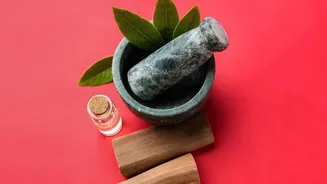
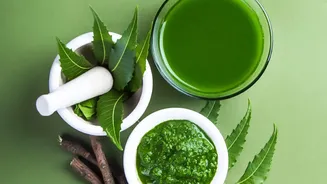
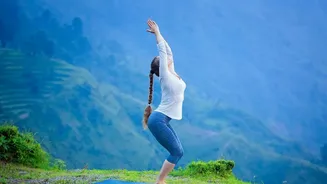
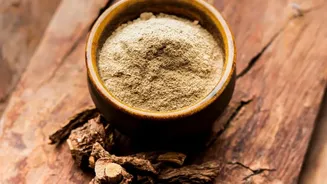
Amid a sea of fleeting wellness fads, many are turning to the ancient science of Ayurveda. Unlike modern medicine that often focuses on symptoms, Ayurveda offers a holistic and personalized approach, aiming to treat the root cause of imbalances in the body. This philosophy resonates deeply with millennials who crave authenticity and sustainable health. They are drawn to its emphasis on prevention through daily routines (dinacharya), seasonal alignment (ritucharya), and a diet that supports digestive fire (agni). Practices like yoga and meditation, along with herbal remedies like Ashwagandha and Brahmi, are being embraced for their proven ability to reduce stress and improve focus. It represents a move away from performative wellness toward a more integrated, mindful way of living that prioritizes inner balance.
Why Kerala, and Why the Monsoon Season?
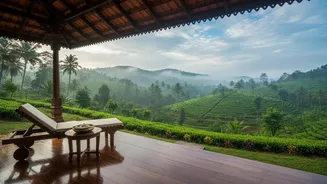
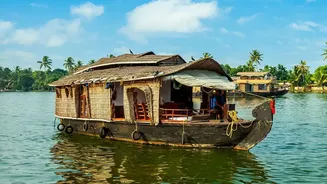
Kerala, often called the cradle of Ayurveda, has long been a premier wellness destination. The state's lush landscapes and tranquil environment provide the perfect backdrop for healing. But the recent boom is also tied to a specific time of year: the monsoon season, known in Kerala as Karkidakam (mid-July to mid-August). According to Ayurvedic principles, the body is most receptive to healing therapies during this time. The cool, moist atmosphere is believed to open up the pores, making treatments more effective. This period is dedicated to 'Karkidaka Chikitsa', a special regimen of rejuvenation therapies designed to detoxify the body, boost immunity, and restore balance. For millennials seeking a deep system reset, this seasonal therapy offers a powerful opportunity for profound healing that aligns with nature's rhythms.
More Than Just a Massage Retreat
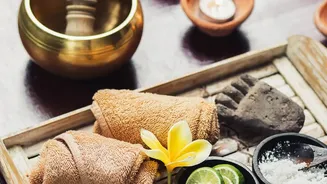
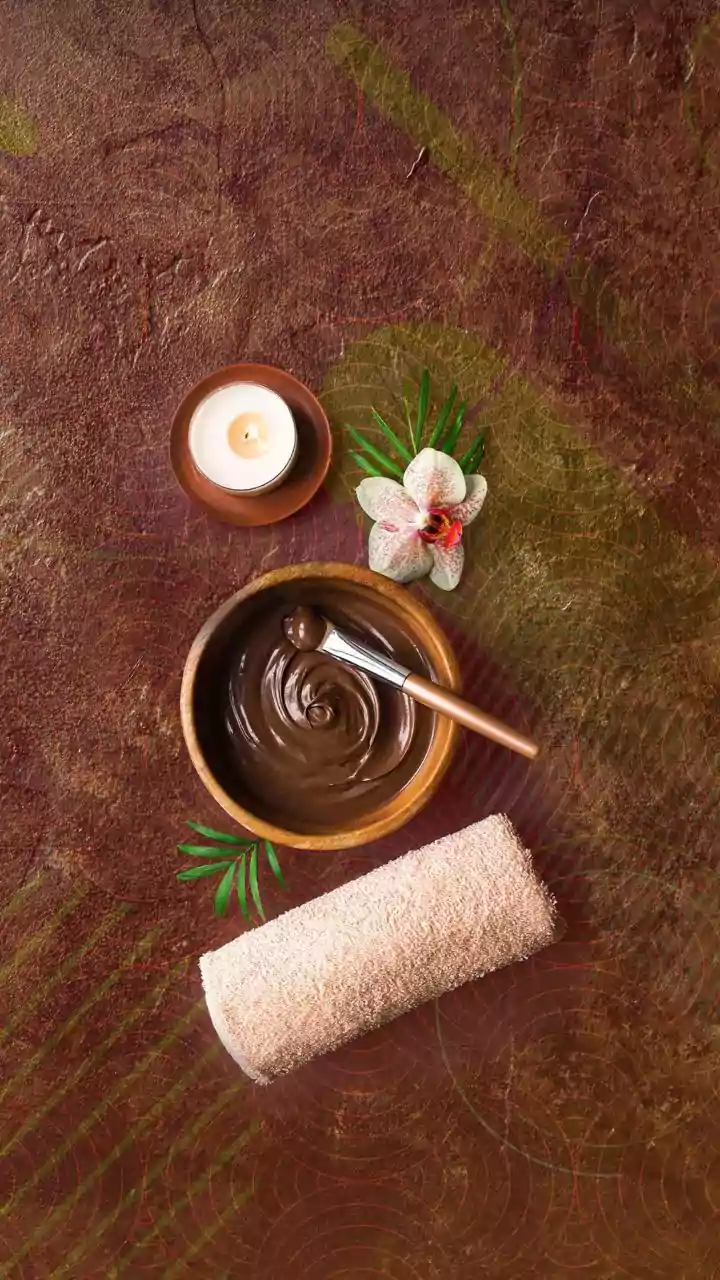
An Ayurvedic retreat in Kerala is an immersive experience far removed from a typical spa holiday. A stay usually begins with a detailed consultation with an Ayurvedic doctor who diagnoses your unique constitution (dosha) and prescribes a personalized treatment plan. Programs can range from seven days of de-stressing to 21-day comprehensive detox plans known as Panchakarma. Days are structured around specific therapeutic treatments like Abhyanga (oil massage) and Shirodhara (oil pouring on the forehead), a customized sattvic diet, herbal medicines, yoga, and meditation sessions. A key component for many is the enforced digital detox, which encourages guests to disconnect from screens and reconnect with themselves. The goal is not just relaxation but a complete rejuvenation of mind, body, and spirit.
A Fundamental Shift in Wellness Values
This trend signifies more than just a popular travel choice; it reflects a deeper cultural shift. Young Indians are increasingly prioritizing preventative health and holistic well-being over reactive treatments. The growing interest in Ayurveda is part of a larger movement towards conscious, slow, and mindful living. It signals a return to traditional, nature-based healing systems that offer a sense of grounding in a fast-paced world. As the state government plans to further brand Kerala as a global wellness hub, this boom is likely to continue. For the overworked millennial, a trip to an Ayurvedic retreat is not an escape from life, but a profound and intentional step towards reclaiming it.