






The End of Visa-Free Entry
The first major change for Indian travellers in 2026 is the end of the visa-free entry scheme. This popular programme, which allowed for extended stays without a prior visa, was officially ended in mid-2026. Indian passport holders now typically enter
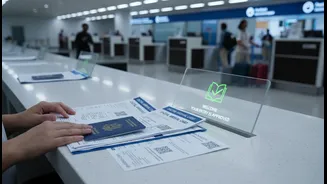
Thailand under the Visa on Arrival (VoA) framework. This shift is part of a broader review of immigration policies by Thai authorities. While travel is still very much encouraged, it means that being prepared with the correct documentation at the immigration counter is more important than ever. Officials are paying closer attention to entry requirements to prevent overstays and ensure visitors are genuine tourists.
Proof of Funds: The Cash Requirement
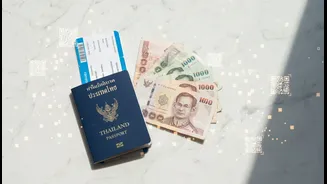
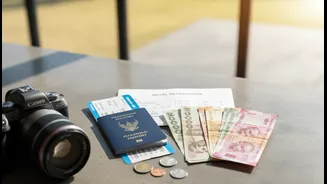
One of the most discussed requirements is the proof of sufficient funds. Thai immigration authorities are entitled to ask travellers to show they can support themselves during their stay. For Indian travellers arriving under the Visa on Arrival or similar tourist entries, the advisory is to carry at least 20,000 Thai Baht per person. That is approximately ₹58,000. For a family, the general guidance is often THB 20,000 per family, but recent advisories from the Embassy of India have specifically highlighted the per-person amount. Importantly, officials may ask to see this in cash. While this check has long been part of Thai immigration law, its enforcement is now being more actively highlighted. Relying solely on a credit card or a mobile banking app may not be enough if an officer specifically requests to see physical currency.
Confirmed Travel and Accommodation
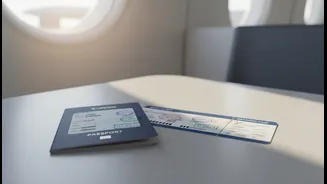
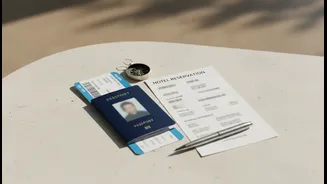
Alongside financial proof, two other critical documents are proof of onward travel and accommodation. You must be able to present a confirmed return or onward flight ticket showing your departure from Thailand within the permitted stay period. This assures immigration officers that you intend to leave the country as required. Similarly, you need proof of your accommodation for the duration of your trip. This can be in the form of confirmed hotel booking confirmations for each night you plan to be in the country. Having a clear and detailed travel itinerary can also be beneficial to present a complete picture of your travel plans.
Your Essential Thailand Entry Kit
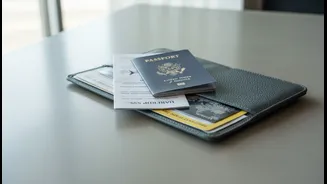
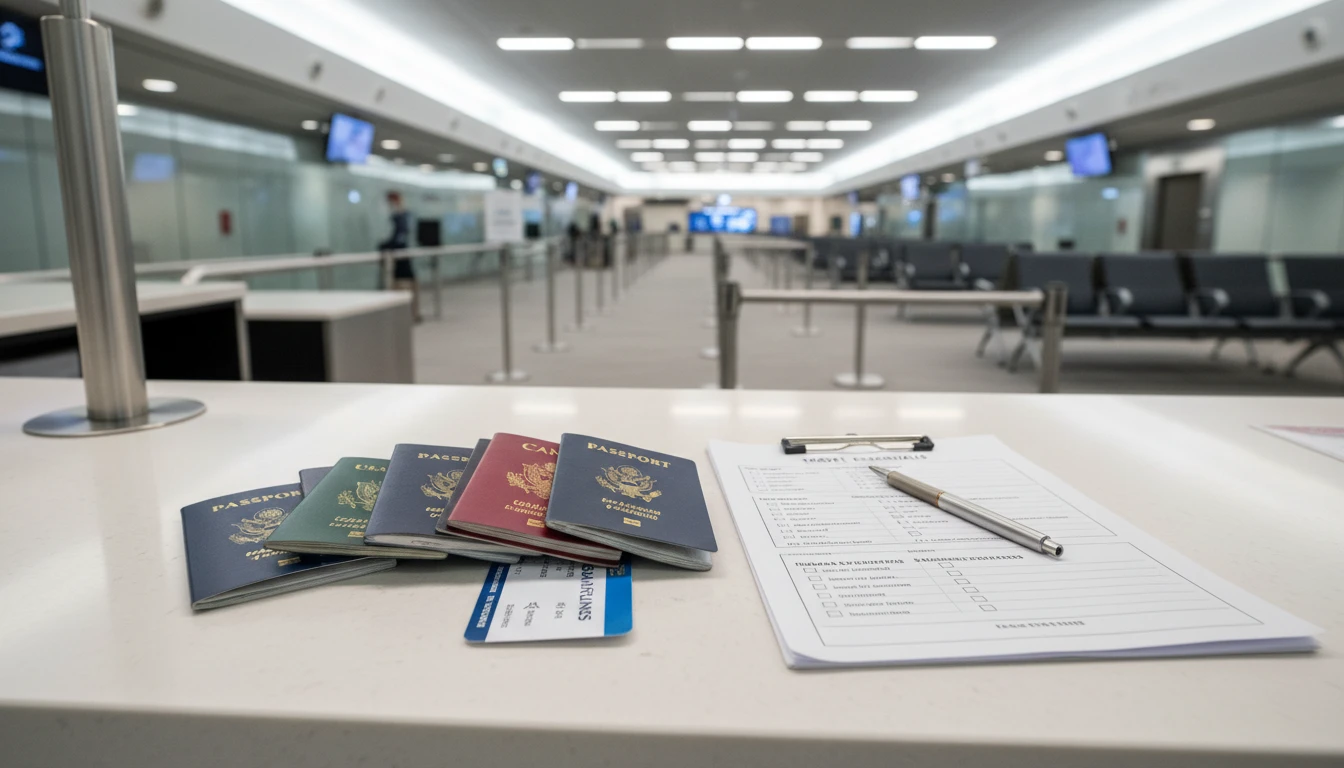
To handle immigration checks smoothly, the key is organisation. Think of it as creating a 'Thailand Entry Kit'. The best approach is to have both a physical folder and a digital backup. In your physical folder, which you should carry in your hand luggage, keep the following: your passport with at least six months of validity, printed copies of your return flight ticket, and printed confirmations of all your hotel bookings. Also, include the required cash amount. Recent advisories also state that each traveller, even in a group, should carry their own set of documents. For a digital backup, save PDF versions of all your documents (passport copy, tickets, bookings) in a cloud service like Google Drive or Dropbox, accessible from your phone.
Don't Forget the Digital Arrival Card
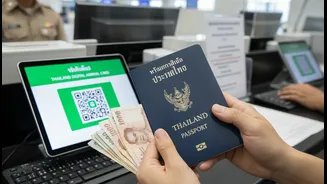
A crucial digital step has replaced the old paper forms. All foreign travellers must now complete the Thailand Digital Arrival Card (TDAC) online. This must be done within 72 hours before your arrival in Thailand. After submitting the form online, you will receive a QR code. It is recommended to have a screenshot of this QR code saved on your phone, as it may be required by immigration officials upon arrival. This is a mandatory step, so ensure it’s completed before you depart for the airport.