


The Science of Comfort
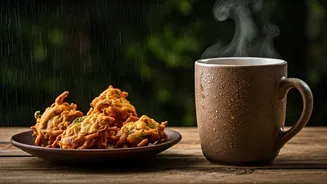
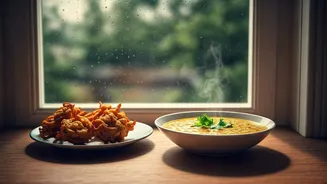
When the monsoon arrives, our bodies instinctively seek warmth and nourishment. While deep-fried pakoras and bhajis have their own undeniable charm, they often come with a side of sluggishness. Idli-sambar, on the other hand, offers a unique proposition:
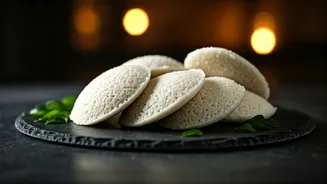
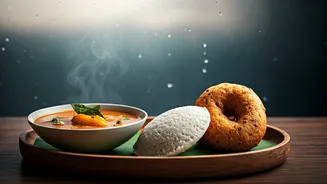
it is deeply comforting without being heavy. The magic lies in its composition. The idlis are steamed, not fried, making them light, fluffy, and easy to digest. Made from a fermented batter of rice and urad dal, they are a good source of carbohydrates and protein, providing a gentle energy boost that combats the lethargy of a gloomy day. This fermentation process also breaks down the nutrients, making them easier for our bodies to absorb and adding to the gut-friendly credentials of the dish.
A Symphony in a Bowl
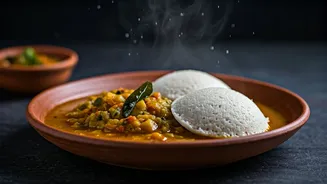
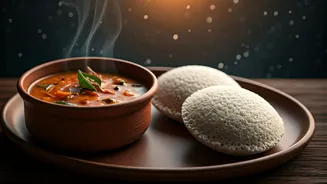
The experience of eating idli-sambar on a rainy day is a complete sensory affair. It begins with the sight: pillowy-white idlis submerged in a vibrant, orange-hued sambar, garnished with fresh coriander and the glisten of a tadka. Then comes the aroma—a complex bouquet of roasted spices, tangy tamarind, earthy lentils, and fragrant curry leaves that cuts through the petrichor-laden air. The warmth of the bowl in your hands is a comfort in itself. But the true bliss is in the taste. The soft, neutral canvas of the idli is the perfect partner for the multi-layered flavours of the sambar. Each spoonful is a journey—a hint of spice, a touch of sweetness from jaggery, a wave of tang from tamarind, and the savoury depth of vegetables and dal. It’s a harmonious blend that warms you from the inside out.
The Soul of the Sambar
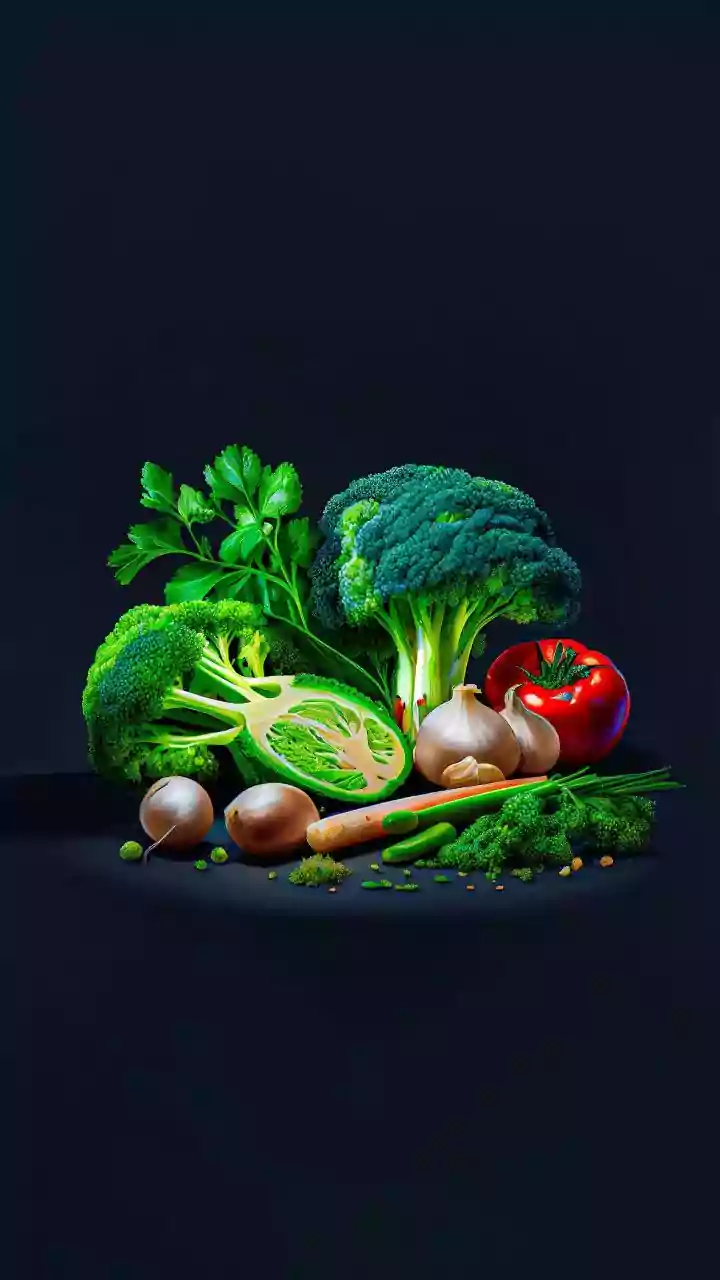
While the idli is the foundation, the sambar is the soul of the dish, especially when it comes to rainy-day relief. A well-made sambar is essentially a hug in a bowl. This lentil-based stew is packed with vegetables like drumsticks, carrots, pumpkin, and brinjal, making it a powerhouse of vitamins and fibre. The heat from the spices, particularly from the chillies and black pepper in the sambar powder, acts as a natural decongestant and provides a gentle, warming sensation. In Ayurveda, warm, soupy foods are believed to balance the 'Vata' dosha, which is often aggravated by cold, damp weather, leading to feelings of anxiety and restlessness. The sambar, with its warmth and nourishing properties, directly counteracts this, promoting a sense of calm and well-being.
Nostalgia on a Plate
For millions of Indians, idli-sambar is more than just food; it's a memory. It’s the taste of Sunday morning breakfasts, of a mother’s care during a sick day, or a quick, reliable meal at a favourite neighbourhood Udupi restaurant. This deep-seated emotional connection is a huge part of its appeal as comfort food. A rainy day often evokes a sense of introspection and nostalgia, and turning to a dish that is so intertwined with positive memories is a natural psychological response. Eating idli-sambar can be a grounding experience, connecting us to a sense of home, tradition, and uncomplicated happiness, no matter where we are. It’s a culinary anchor in the midst of a downpour, both literal and metaphorical.