





The Desk-to-Back-Pain Pipeline
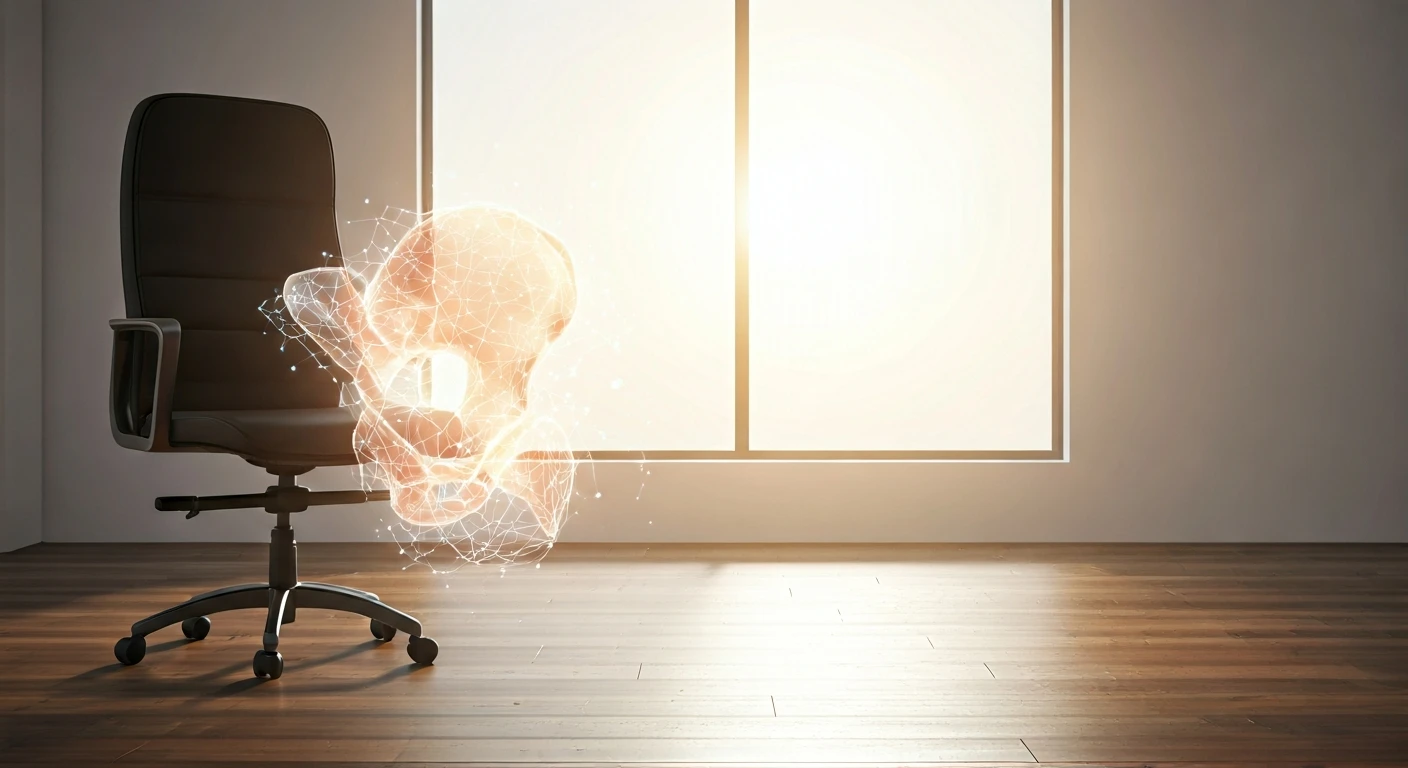
Our bodies are designed for movement. When we sit for extended periods, as most office jobs require, our muscles adapt to that position. The hip flexors, a group of muscles at the front of your hips, remain in a shortened state. Over time, they become
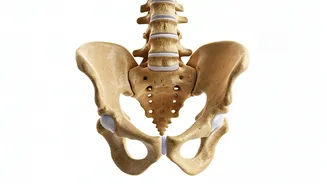
tight and stiff. Think of them like taught ropes pulling your pelvis forward into a slight tilt. This anterior pelvic tilt forces your lower back to over-arch to keep you upright, putting immense strain on the lumbar spine and surrounding muscles. This constant tension is what often manifests as chronic lower back pain, stiffness, and discomfort.
How Yoga Offers a Solution
This is where hip-opening yoga comes in as a powerful antidote. Unlike other forms of exercise that can sometimes shorten muscles, yoga focuses on lengthening, restoring mobility, and creating balance. By specifically targeting the tight muscles around the hips—including the flexors, glutes, and piriformis—yoga helps to release the tension pulling on your pelvis. This allows your pelvis to return to a more neutral position, which in turn alleviates the unnecessary strain on your lower back. It’s a corrective practice that addresses the root cause of the problem rather than just masking the symptoms.
Key Hip-Opening Asanas to Try
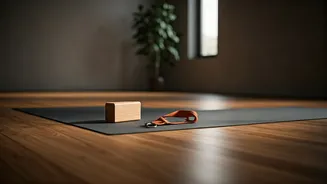
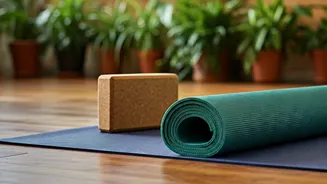
Integrating a few key poses into your routine can make a significant difference. The goal is gentle, consistent practice, not pushing yourself into painful positions. Always listen to your body and use props like blocks or cushions for support. Here are four foundational poses to help you get started.
1. Anjaneyasana (Low Lunge)
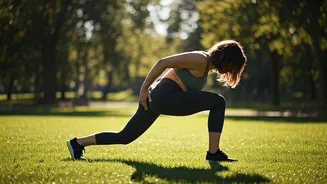
This is one of the most effective poses for stretching the psoas, a primary hip flexor. Start on all fours, then step your right foot forward between your hands. Slide your left knee back until you feel a comfortable stretch in the front of your left hip and thigh. Keep your front knee stacked over your ankle. Place your hands on your front thigh for balance and gently press your hips forward and down. Hold for 30 seconds, breathing deeply into the stretch, then switch sides. This pose directly counteracts the shortening effect of sitting.
2. Baddha Konasana (Bound Angle Pose)
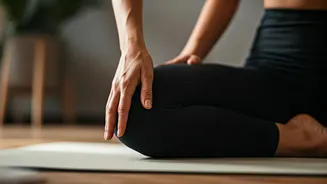
Also known as Cobbler's Pose, this asana targets the inner thighs and groin. Sit on the floor with the soles of your feet together and let your knees fall out to the sides. If your hips are very tight, sit on a folded blanket to elevate your pelvis. Hold onto your feet or ankles and sit up tall, lengthening your spine. For a deeper stretch, you can gently fold forward. This pose improves hip rotation and releases tension held deep within the pelvic region.
3. Malasana (Garland Pose or Yogi Squat)
A natural human resting position, the deep squat is fantastic for releasing the lower back and opening the hips. Stand with your feet slightly wider than your hips, toes pointing slightly outwards. Slowly lower your hips down into a squat. If your heels don't reach the floor, place a rolled-up towel or blanket under them for support. Bring your palms together at your heart centre and use your elbows to gently press your knees apart. Malasana lengthens the spine, improves ankle mobility, and creates space in the hips.
4. Supta Kapotasana (Reclined Pigeon Pose)
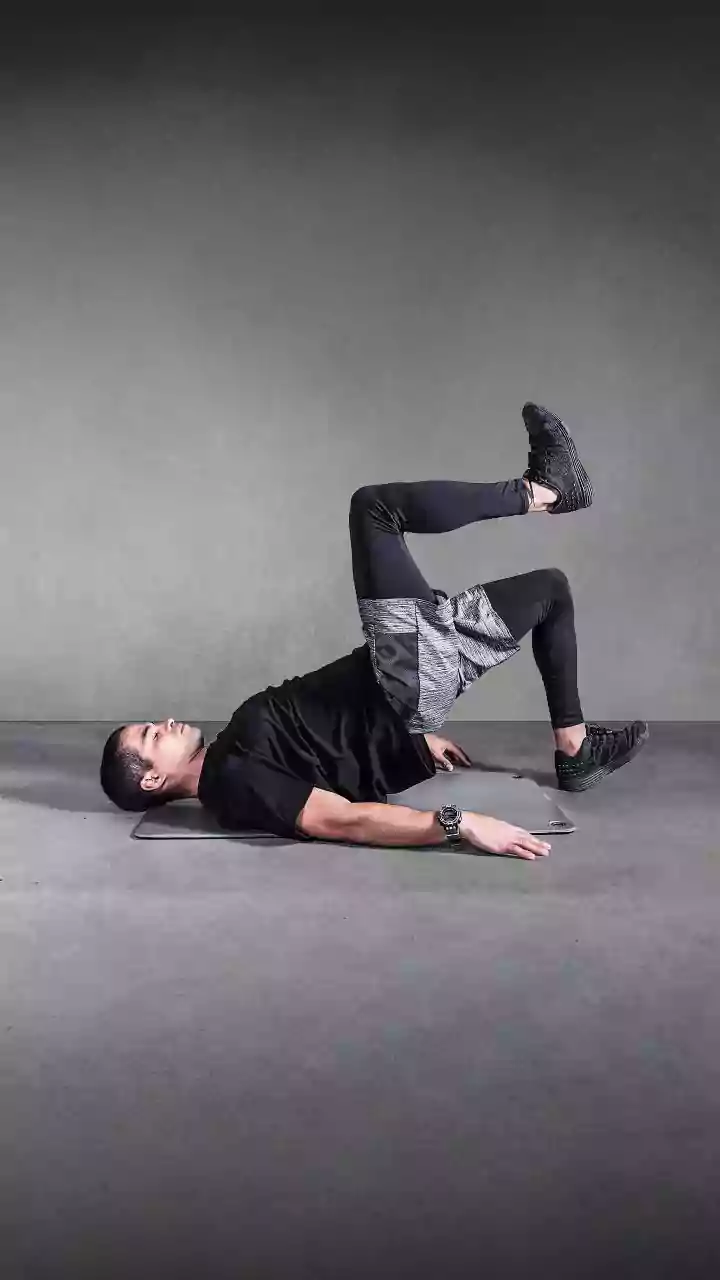
A gentler and safer alternative to the full Pigeon Pose, this version gives you a deep stretch for the outer hip and glutes without putting pressure on the knee. Lie on your back with your knees bent and feet flat on the floor. Cross your right ankle over your left thigh, keeping your right foot flexed to protect the knee. Reach through your legs and interlace your fingers behind your left thigh. Gently pull the left leg towards your chest until you feel a stretch in your right glute. Hold for 30-60 seconds and switch sides.
Finding the Right Class and Routine
While practicing at home is beneficial, joining a class can provide expert guidance and structure. Look for classes labelled 'Hatha', 'Yin', 'Restorative', or those specifically designed for 'Hip Opening' or 'Desk Workers'. A good instructor will offer modifications and ensure you’re practicing safely. The key is consistency. Even 10-15 minutes of stretching each day can be more effective than one intense session per week. Try incorporating these poses into your morning routine or as a break during your workday to combat the effects of sitting in real-time.