







The Current Registration Landscape in India
Across India's major cities, obtaining a license for a pet dog is a mandatory part of responsible ownership. Municipal corporations in Delhi, Mumbai, Bengaluru, and Chennai, among others, require owners to register their dogs. This process typically involves
submitting vaccination records—especially for rabies—and proof of address to create a legal link between the pet and its owner. This system is not merely bureaucratic; it is a foundational tool for public health, helping track vaccination compliance and establishing legal ownership. However, these regulations have historically focused almost exclusively on dogs, leaving a significant portion of the pet population—namely cats—outside this formal system of identification and accountability.
What is Digital Identification?
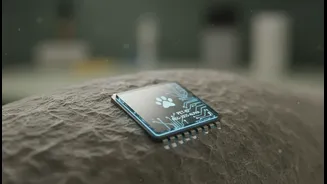
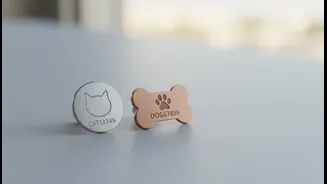
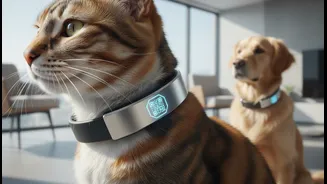
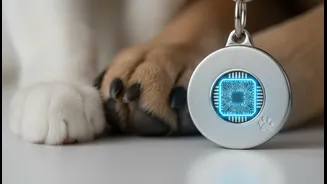
When we talk about digital identification, it goes far beyond a simple collar tag. The cornerstone of modern pet ID is the microchip. This is a tiny electronic device, about the size of a grain of rice, that is safely injected under the pet's skin, usually between the shoulder blades. The chip contains a unique 15-digit number that, when scanned by a veterinarian or an animal shelter, links to a national database containing the owner's contact information. Unlike collars and engraved tags, which can break, fade, or be removed, a microchip provides a permanent and unalterable form of identity for the pet's entire life. This technology is complemented by QR code tags, which can be scanned by anyone with a smartphone to access a pet's online profile with contact and medical details.
A Game-Changer for Lost Pets
The single most compelling reason for any pet registration is the increased chance of being reunited if they get lost. For cats, who often roam and can easily slip out of collars, this is particularly vital. Studies and anecdotal evidence from shelters show that microchipped pets are significantly more likely to be returned to their owners. When a lost or injured animal is brought to a shelter or vet clinic, the first step is to scan for a microchip. A registered chip makes the process of contacting the owner swift and efficient, turning a potentially heartbreaking situation into a successful reunion. This system provides immense peace of mind for owners, knowing their pet has a permanent safety net.
The Urgent Case for Including Cats
Cats are often perceived as more self-sufficient than dogs, but they are just as vulnerable to getting lost, stolen, or injured. Including cats in mandatory registration and digital identification schemes is a logical and compassionate step. It formally acknowledges their status as beloved family members and provides them with the same level of protection afforded to dogs. Furthermore, registering cats helps municipalities get a clearer picture of the total pet population, which is essential for planning public health initiatives, such as sterilisation drives and vaccination campaigns, that benefit the entire community. Some progressive cities are beginning to include cats in registration drives, but the practice is still not widespread.
Promoting Responsible Ownership and Community Health
Registration is more than just a safety measure; it fosters a culture of responsibility. The requirement to provide vaccination certificates ensures that more pets are protected against diseases like rabies, safeguarding both animal and human populations. It also provides legal proof of ownership, which can be crucial in cases of pet theft or ownership disputes. By creating an official record, registration discourages abandonment and encourages owners to take full responsibility for their pet's health and well-being. Expanding this framework to include all companion animals, including cats, strengthens community health and promotes a more humane and organised approach to urban animal management.