







Why Monsoon Wreaks Havoc on Your Skin
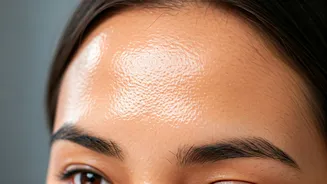
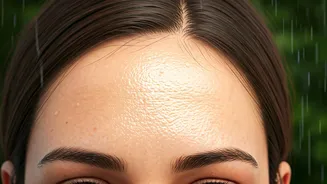
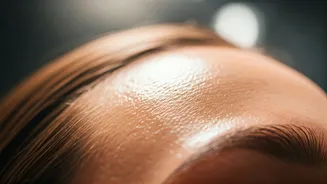
The primary culprit during the rainy season is humidity. High moisture levels in the air can signal your skin to produce more sebum (oil), creating a greasy feeling and a perfect breeding ground for bacteria. This can lead to a host of problems, including
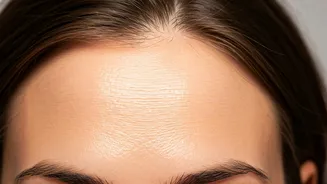
acne, blackheads, and fungal infections like ringworm and athlete's foot. The combination of sweat, oil, and environmental pollutants can clog pores, leaving your complexion looking dull and congested. People with oily or acne-prone skin often find their issues worsen, while those with sensitive skin might experience flare-ups of conditions like eczema.
Cleanse Gently, But Thoroughly
Washing your face is the first line of defence against monsoon grime. Dermatologists recommend cleansing twice a day with a gentle, soap-free, and pH-balanced face wash. This helps remove dirt and excess oil without stripping your skin of its natural protective barrier. Over-washing can backfire, causing dryness that prompts your skin to produce even more oil to compensate. Look for mild cleansers, possibly with antibacterial properties, to keep your pores clear and skin feeling fresh.
Exfoliation Is Your Best Friend
With a build-up of dead skin cells and grime, exfoliation becomes crucial for maintaining a bright complexion. Gently exfoliating once or twice a week can help slough away dullness, unclog pores, and improve your skin's texture. However, it's important not to be too aggressive. Harsh physical scrubs can cause micro-tears and irritation. Opt for mild chemical exfoliants containing ingredients like salicylic acid (a BHA) or alpha-hydroxy acids (AHAs), which effectively dissolve dead skin cells without harsh scrubbing.
Lightweight Hydration Is Non-Negotiable
It’s a common myth that oily or damp skin doesn't need a moisturiser. In reality, all skin types require hydration, even in humid weather. Skipping this step can dehydrate your skin, prompting it to produce more oil. The key is to switch to a lightweight, non-comedogenic (pore-clogging) formula. Gel-based or water-based moisturisers are ideal for the monsoon. Look for ingredients like hyaluronic acid, which hydrates by drawing moisture from the air, and glycerin.
Don't You Dare Skip Sunscreen
Don't let cloudy skies fool you; sunscreen is a year-round necessity. Up to 80% of the sun's harmful UV rays can penetrate through clouds, causing tanning, premature ageing, and long-term skin damage. In fact, wet surfaces like puddles can reflect UV rays, increasing your exposure. For monsoon, choose a lightweight, water-resistant, broad-spectrum sunscreen with an SPF of 30 or higher. A non-greasy or gel formula will feel more comfortable in the humidity and protect your skin effectively.
Power-Packed Ingredients to Look For
To supercharge your monsoon routine, look for products with specific active ingredients. Niacinamide is a superstar for humid weather, as it helps control oil production, minimises the appearance of pores, and strengthens the skin barrier. Salicylic acid is excellent for preventing clogged pores and managing acne. For antioxidant protection against pollution and environmental stressors, a Vitamin C serum is a great addition to your morning routine. Hyaluronic acid provides that essential lightweight hydration.
DIY Face Packs for a Natural Boost
For an extra dose of care, you can turn to your kitchen for some simple yet effective face masks. A paste of gram flour (besan), a pinch of turmeric, and rose water can help clarify skin and add a glow. For oily skin, a mask of multani mitti (Fuller's earth) and rose water works wonders to absorb excess oil. Another great option is a blend of oatmeal, which absorbs oil, and curd, which provides a dose of good bacteria for soft, glowing skin.