







What Exactly is E20 Fuel?
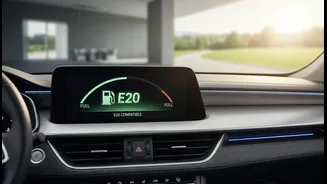
E20 fuel is a blend of 20% ethanol and 80% petrol. The ethanol used is a biofuel, primarily produced in India from agricultural sources like sugarcane, maize, and damaged food grains. This move is part of India's Ethanol Blended Petrol (EBP) Programme,
which aims to reduce the country's reliance on imported crude oil, cut carbon emissions, and boost the agricultural economy. The government has mandated the nationwide availability of E20, making it the new standard fuel across the country and achieving its 20% blending target years ahead of schedule.
Your Daily Drive's Carbon Reduction
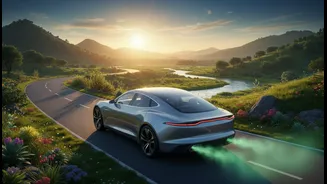
So, how does using E20 in your car help the planet? The magic lies in the chemistry. Ethanol is an oxygenated fuel, which means it contains oxygen. This helps petrol burn more completely inside the engine. A more complete combustion process leads to a significant reduction in harmful tailpipe emissions, particularly carbon monoxide (CO) and unburned hydrocarbons (HC). Studies have shown that using E20 can lead to a notable decrease in these pollutants compared to conventional petrol. While the 80% petrol component means emissions are not eliminated, the 20% ethanol portion makes a measurable difference every time you drive, effectively lowering your car's daily contribution to air pollution. The government notes that on a lifecycle basis—from growing the crops to burning the fuel—E20 can reduce carbon emissions by a substantial amount.
Are Mass-Market Cars Ready for E20?
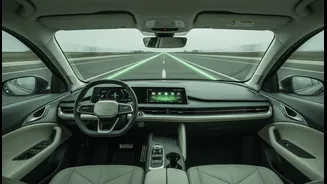
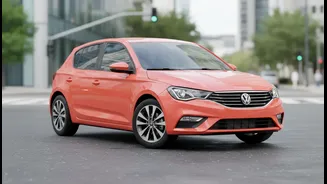
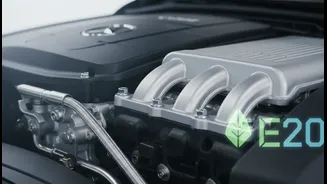
Yes, the Indian auto industry has adapted quickly. In line with the government's push, virtually all major manufacturers have made their vehicles E20-compatible since the implementation of BS6 Phase 2 norms in April 2023. This means that a wide range of new mass-market cars are engineered to run smoothly on this new blend. Automakers like Maruti Suzuki, Hyundai, and Tata Motors have updated their entire lineups, from popular hatchbacks like the Swift and i20 to SUVs like the Nexon and Brezza. These E20-compliant cars feature reinforced fuel lines and specially calibrated engines to handle the different properties of ethanol without any issues.
What About Mileage and Performance?
This is a common question among car owners. Because ethanol has a slightly lower energy density than petrol, you may see a minor drop in fuel efficiency. Most estimates from industry experts and government sources place this reduction in the range of 3-5%, which for a car that gets 20 kmpl would mean a drop of about 0.6 kmpl. However, many drivers may not notice a significant difference, as factors like driving style, traffic, and vehicle maintenance have a much larger impact on real-world mileage. On the performance side, ethanol has a higher octane number, which can help reduce engine knocking and may even lead to smoother performance in engines designed for it.
The Bigger Picture: A National Effort
The transition to E20-compatible cars is more than just a technological shift; it's a nationwide strategy with multiple benefits. By increasing the use of domestically produced ethanol, India significantly reduces its oil import bill, saving valuable foreign exchange and increasing its energy security. The programme also provides a stable source of income for farmers, creating a large market for their crops and agricultural byproducts. It represents a practical and large-scale step in India's journey towards meeting its climate goals, with individual car owners playing a direct role in this collective effort every time they refuel.