



Demystifying the Repo Rate
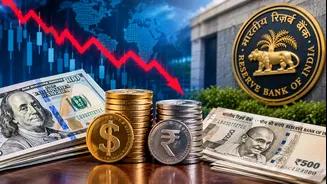
Think of the repo rate as the interest rate at which the Reserve Bank of India (RBI) lends money to commercial banks for their short-term needs. It's a powerful tool the central bank uses to manage the money supply in the economy, control inflation, and
ensure overall financial stability. When the RBI wants to reduce the amount of money circulating and curb rising prices, it increases the repo rate. This makes borrowing from the central bank more expensive for commercial banks. Conversely, to stimulate economic activity, the RBI might lower the rate, making it cheaper for banks to borrow.
The Ripple Effect on Your Bank
When the RBI increases the repo rate, commercial banks have to pay more to borrow money. To offset this higher cost and maintain their own liquidity, they often look for ways to attract more funds from the public. The most direct way to do this is by making their savings products more appealing. This creates a direct link between the RBI's policy decision and the interest rates you see offered by your local bank. This transmission isn't always instant, but a rising repo rate generally signals that higher deposit rates are on the horizon.
Good News for Your Fixed Deposits
For conservative savers, the most significant and positive impact of a repo rate hike is on fixed deposit (FD) interest rates. Since banks are now keener to attract stable, long-term funds from depositors, they start offering higher interest rates on new FDs. This is excellent news if you have FDs maturing soon, as you can renew them at a more attractive rate. It also presents an opportunity for those looking to start new FDs to lock in a higher, guaranteed return for the duration of the tenure. It's important to remember that the interest rate on your existing FD remains fixed until maturity; the new, higher rates apply only to new deposits or renewals.
What About Other Savings Instruments?
The impact on other savings vehicles can be more varied. Interest rates on regular savings accounts may also see a modest increase as banks compete for deposits, but the change is often less pronounced than with FDs. For investors in debt mutual funds, a rate hike can have a negative short-term effect. When interest rates rise, the value of existing bonds (which these funds hold) tends to fall, which can lead to a decrease in the fund's net asset value (NAV). Some cautious investors might even shift money from debt funds to FDs during a rising rate cycle to avoid this volatility.
The Flip Side: Loans Get Costlier
While a repo rate hike benefits savers, it's important to see the other side of the coin. The same mechanism that pushes up deposit rates also increases the cost of borrowing for consumers. Banks pass on their higher borrowing costs in the form of increased interest rates on home loans, car loans, and personal loans. This means higher Equated Monthly Instalments (EMIs) for those with floating-rate loans and more expensive credit for new borrowers. This is the primary way a rate hike helps control inflation—by discouraging excessive spending and borrowing.
A Strategy for the Cautious Saver
For a conservative saver, a rising repo rate environment is generally favourable. To make the most of it, you can consider a few simple strategies. Compare FD rates across different banks and non-banking financial companies (NBFCs), as some may pass on the rate hike faster and more generously than others. If you anticipate further rate hikes, you might consider a 'laddering' strategy—investing in multiple FDs with different maturity dates. This allows you to have funds maturing at regular intervals, which you can then reinvest at potentially even higher rates. Above all, it reinforces the value of prioritizing saving and building a strong financial safety net.