


The Romance of the Rails
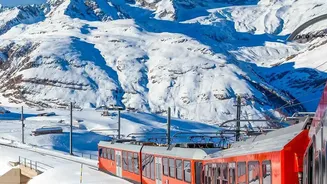
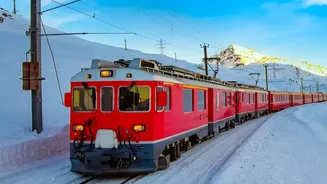
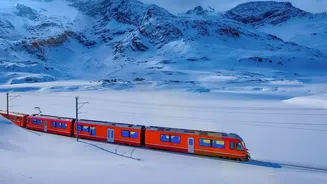
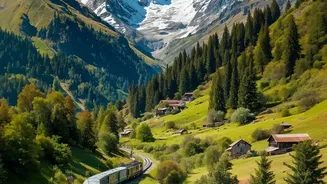
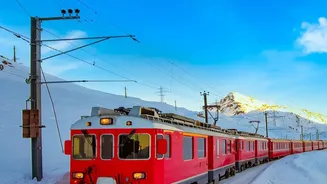
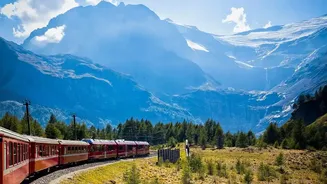
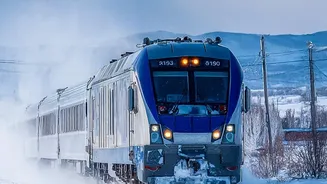
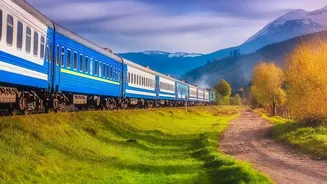
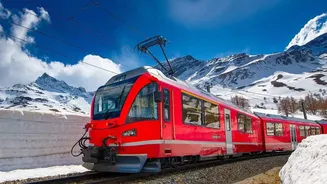
There is an undeniable magic to India’s mountain railways in winter. The slow chug of a 'toy train' up the Himalayas offers a journey back in time, with panoramic views that are often missed during faster road trips. Routes like the UNESCO World Heritage
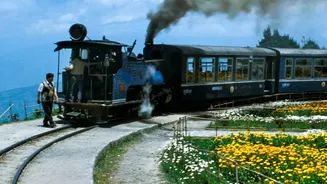
Kalka-Shimla Railway become truly enchanting when snow blankets the pine forests and quaint stations along the way. The journey allows you to relax and soak in the scenery, watching the landscape transform from the plains to frosty peaks. Similarly, the Darjeeling Himalayan Railway offers misty mornings and breathtaking views of Kanchenjunga, making the train ride itself a core part of the holiday experience. These journeys are perfect for travellers who want a peaceful escape, filled with picturesque moments and the cosy comfort of a train carriage.
The Last-Mile Challenge
The dream meets reality the moment you step off the train. While railways like the one to Shimla or New Jalpaiguri (for Darjeeling) get you to the foothills, the final journey to your high-altitude destination is almost always by road. This is the 'last mile', and it's where winter weather can pose significant challenges. Heavy snowfall, which delights tourists, can also lead to hazardous road conditions, severe traffic congestion, and temporary closures. Vehicles, including SUVs, can skid on icy patches or get stuck, turning a short drive into a multi-hour ordeal. In places like Mussoorie, Nainital, and Manali, a sudden influx of tourists after a snowfall often strains the mountain infrastructure, causing long traffic jams on narrow, winding roads. This final leg of the journey requires as much, if not more, planning than the train ride itself.
Iconic Routes and Their Roadblocks
To plan effectively, it helps to know the specific last-mile challenges of popular routes. For the Kalka-Shimla journey, the train takes you to Shimla station, but accessing hotels or nearby destinations like Kufri and Narkanda means navigating roads that are prone to ice and snow-related disruptions. It's crucial to check local advisories, as roads beyond the main town can become impassable. For those travelling towards Darjeeling, the train journey from New Jalpaiguri is followed by a 3-4 hour drive up winding roads that can be affected by fog and slippery conditions. Reaching destinations like Gulmarg involves taking a train to Jammu Tawi, followed by a long road journey of around 290 km, where weather can be highly unpredictable. Similarly, reaching Manali requires a train to a nearby station like Joginder Nagar or Chandigarh, followed by a road trip that can be complicated by fog, black ice, and snow, especially on higher stretches.
Planning for Predictable Unpredictability
The key to a successful winter trip is to embrace the unpredictability with smart planning. Always build buffer days into your itinerary. A journey that takes three hours in summer might take six or more in winter, and road closures could last for hours or even a day. Before you travel, and each day during your trip, check multiple sources for weather and road status, including official updates from the local police and district administration, not just a weather app. When booking your onward transport from the train station, opt for reputable local taxi services with experienced drivers who are skilled in handling icy conditions. Often, these drivers use vehicles better suited for mountain roads and may have essential equipment like tyre chains. Pre-booking flexible hotel and travel tickets that allow for last-minute changes can also save a lot of stress.
Your Winter Last-Mile Checklist
To ensure you are prepared, keep this checklist handy. First, pack essentials for delays: carry extra food, water, a power bank for your phone, and any essential medications in your daypack, not just in your main luggage. Dress in warm layers, including waterproof outer layers, gloves, and a cap, as you may need to spend time outside your vehicle during a traffic jam. Carrying extra cash is also wise, as digital payments may not be an option everywhere, especially if power outages occur. Finally, have the contact numbers for your hotel and local taxi service readily available, along with emergency numbers for the region. Being prepared for the worst-case scenario ensures you can handle minor disruptions with ease and focus on enjoying the stunning winter landscapes.