

1. Horse Gram (Kulith)
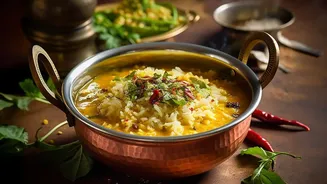
Often called the 'superfood of the future', horse gram, or kulith, is a powerhouse of protein and nutrients that has been a staple in rural India for centuries. This hardy lentil has a distinct, earthy flavour and a robust texture that sets it apart from
the more common dals like toor or moong. Its rustic charm is best experienced in a simple but profound Kulith Dal, also known as Kollu Rasam in the South. The dal is typically pressure-cooked until tender, then tempered with mustard seeds, curry leaves, garlic, and a touch of tamarind and jaggery. This creates a warming, soupy broth that is both comforting and deeply flavourful, perfect for a cold evening when served with a steaming bowl of rice.
2. Jackfruit Seeds (Fanas Biyya)
Don't throw away those seeds after you've enjoyed a meal of ripe jackfruit! In many Indian homes, jackfruit seeds are a culinary gem. Once boiled or roasted, their tough outer layer peels off to reveal a firm, starchy kernel with a texture and taste similar to chestnuts or potatoes. They are incredibly versatile and absorb flavours beautifully. A classic way to use them is in a spicy Jackfruit Seed Curry. The boiled seeds are added to a fragrant onion-tomato masala, spiced with ginger, garlic, and garam masala. The result is a hearty, satisfying curry where the seeds provide a wonderful bite and substance, turning what is often considered food waste into a delicious main course.
3. Colocasia Leaves (Arbi ke Patte)
While the root (arbi) is common, its large, heart-shaped leaves are often overlooked outside of specific regional cuisines. When prepared correctly, these leaves offer a unique, tangy flavour. Their most famous application is the West Indian snack 'Patra'. Here, the leaves are smeared with a spiced gram flour (besan) paste, which is flavoured with tamarind, jaggery, ginger, and green chillies. The leaves are then rolled up tightly, steamed until cooked through, and finally sliced into pinwheels. These pinwheels are often tempered with mustard seeds and sesame seeds, creating a delightful snack that is a perfect balance of sweet, sour, and spicy flavours.
4. Banana Flower (Vazhaipoo)
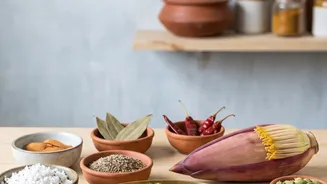
The large, purple-hued blossom found at the end of a banana bunch requires a bit of effort to prepare, which is likely why it isn't a weeknight staple. But the reward is a truly unique vegetable with a subtle, astringent taste and a wonderful texture. In South India, Vazhaipoo Poriyal is a popular stir-fry that showcases the flower perfectly. The cleaned and chopped florets are cooked with lentils (moong dal), and then tempered with mustard seeds, urad dal, and curry leaves, and finished with a generous amount of grated fresh coconut. This simple preparation transforms the banana flower into a delightful and healthy side dish.
5. Amaranth Greens (Chaulai)
Move over, spinach and methi. Amaranth greens, or chaulai, are a highly nutritious and delicious alternative that deserves more space in your cooking rotation. Available in both green and reddish-purple varieties, these leaves have a delicate, slightly sweet, and earthy taste. They cook much faster than other greens. A simple yet flavourful way to prepare them is Chaulai Saag. The chopped leaves are stir-fried in a little oil with just some chopped garlic, dried red chillies, and a pinch of salt. The garlic mellows as it cooks, complementing the fresh taste of the greens perfectly. It's a quick, healthy, and satisfying dish that pairs beautifully with dal and roti.
6. Stone Flower (Dagad Phul)
This might be the most mysterious ingredient on the list. Dagad Phul, or stone flower, is a lichen that grows on rocks and trees. It doesn't have much of a scent on its own, but when added to hot oil, it releases a beautiful earthy, smoky aroma that is difficult to replicate. It's a key component in special spice blends like Maharashtra's Goda Masala and Lucknow's Potli Masala. While you might not cook with it directly, understanding its role is key to mastering certain dishes. To experience its magic, try making a batch of Goda Masala at home or add a small piece of dagad phul to the tempering for a rich mutton or chicken curry. It adds an unmistakable depth and complexity.
7. Indian Apple Gourd (Tinda)
Often dismissed as bland and watery, tinda gets a bad rap. But this humble gourd is like a sponge, ready to soak up any flavours you throw at it. Instead of a boring, watery curry, rescue tinda from mediocrity by making 'Bharwan Tinda' or Stuffed Tinda. The small, round gourds are hollowed out and filled with a spicy, aromatic mixture of onions, tomatoes, ginger, garlic, and a medley of powdered spices like coriander, turmeric, and amchur (dried mango powder). The stuffed tindas are then pan-fried or simmered in a light gravy until tender. This preparation completely transforms the vegetable into a flavour-packed star.
8. Moringa Leaves (Sahjan ke Patte)
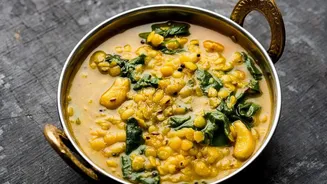
The drumstick (sahjan) itself is a star in sambar and other curries, but its tiny leaves are even more nutritious and are often forgotten. Packed with vitamins and minerals, moringa leaves have a slightly bitter taste, similar to methi, which mellows upon cooking. A fantastic way to incorporate them into your diet is by making Moringa Dal. Simply add a handful of fresh, cleaned moringa leaves to your regular toor or moong dal during the last few minutes of cooking. The leaves wilt into the dal, infusing it with their unique flavour and a huge nutritional boost. A final tempering of ghee, mustard seeds, and garlic makes this a truly soulful and healthy dish.