

Mastering the Art of Staying Dry
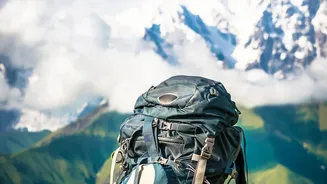
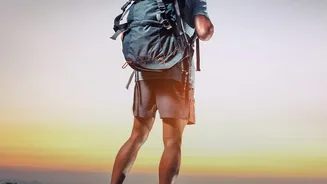
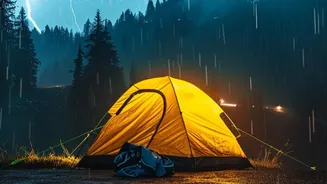
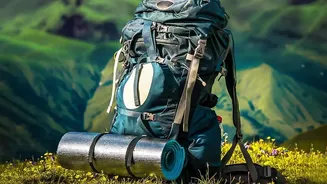
The first rule of monsoon trekking is waterproofing everything. Start with a good quality waterproof backpack or, at the very least, a reliable rain cover for your existing one. A poncho that can cover both you and your pack offers excellent protection
from downpours. For personal wear, a lightweight, breathable, and waterproof rain jacket is non-negotiable. Look for options with sealed seams and a good hood. Internally, use dry bags or even simple plastic bags to compartmentalise your belongings—one for clothes, one for electronics, and one for snacks. This adds a second layer of defence against moisture, ensuring your essentials stay dry even if your main pack gets damp.
The Right Clothes: Think Quick-Dry, Not Cotton
When it comes to clothing, your fabric choice can make or break your trek. Cotton is your biggest enemy; it absorbs moisture, takes forever to dry, and will leave you feeling cold and heavy. Instead, opt for synthetic materials like polyester or merino wool. These fabrics are quick-drying and wick moisture away from your body, keeping you comfortable. Pack at least two quick-dry t-shirts and a pair of quick-dry trek pants. Full-sleeved shirts and full-length pants are preferable as they offer protection from insects and scratches from shrubs. Layering is also a smart strategy. A lightweight fleece jacket can provide necessary warmth during chilly evenings or at higher altitudes.
Footwear: Your Most Important Gear
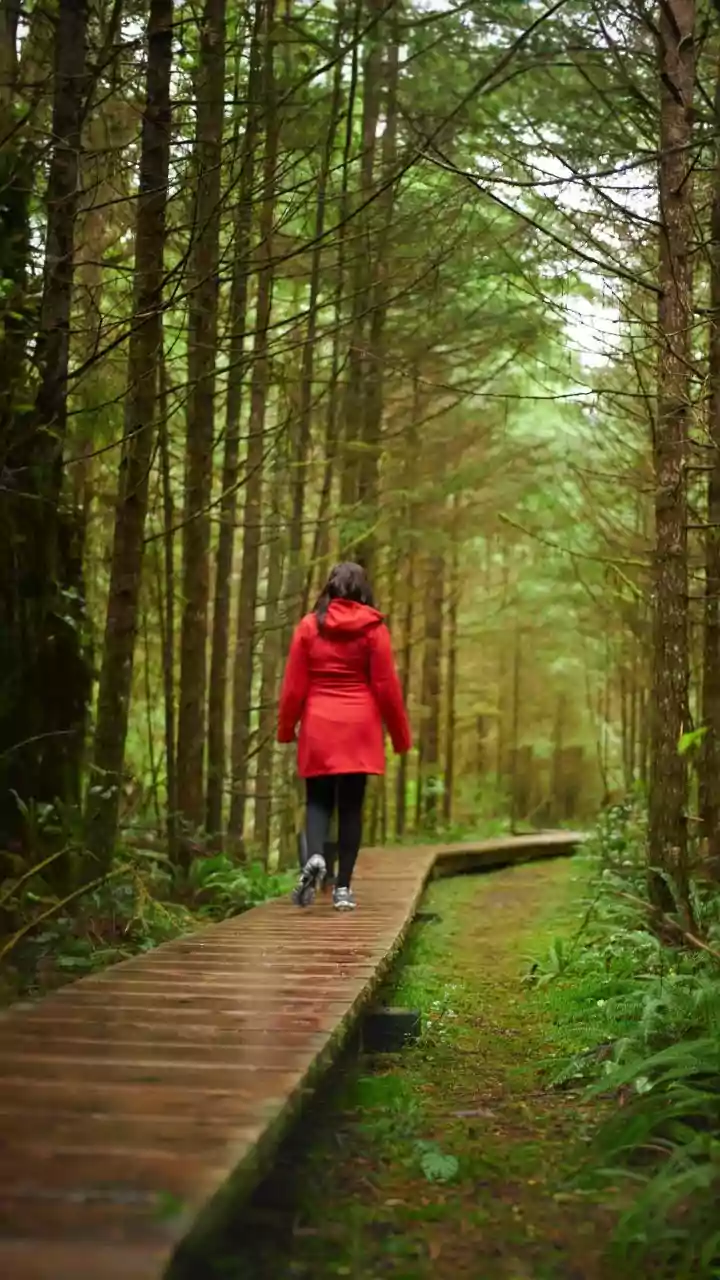
Slippery trails are a given during the monsoon, making your choice of footwear critical. Do not wear sneakers or casual sports shoes. You need a pair of waterproof trekking shoes with excellent grip and good ankle support. Look for shoes with deep lugs on the sole, which help shed mud and provide traction on wet rocks and inclines. Breaking in your new shoes before the trek is crucial to avoid painful blisters. Just as important are your socks. Pack multiple pairs of synthetic or wool socks that don't hold water like cotton does. Some trekkers also swear by waterproof socks or anti-leech socks for added protection, especially on jungle trails.
Protecting Your Pack and Valuables
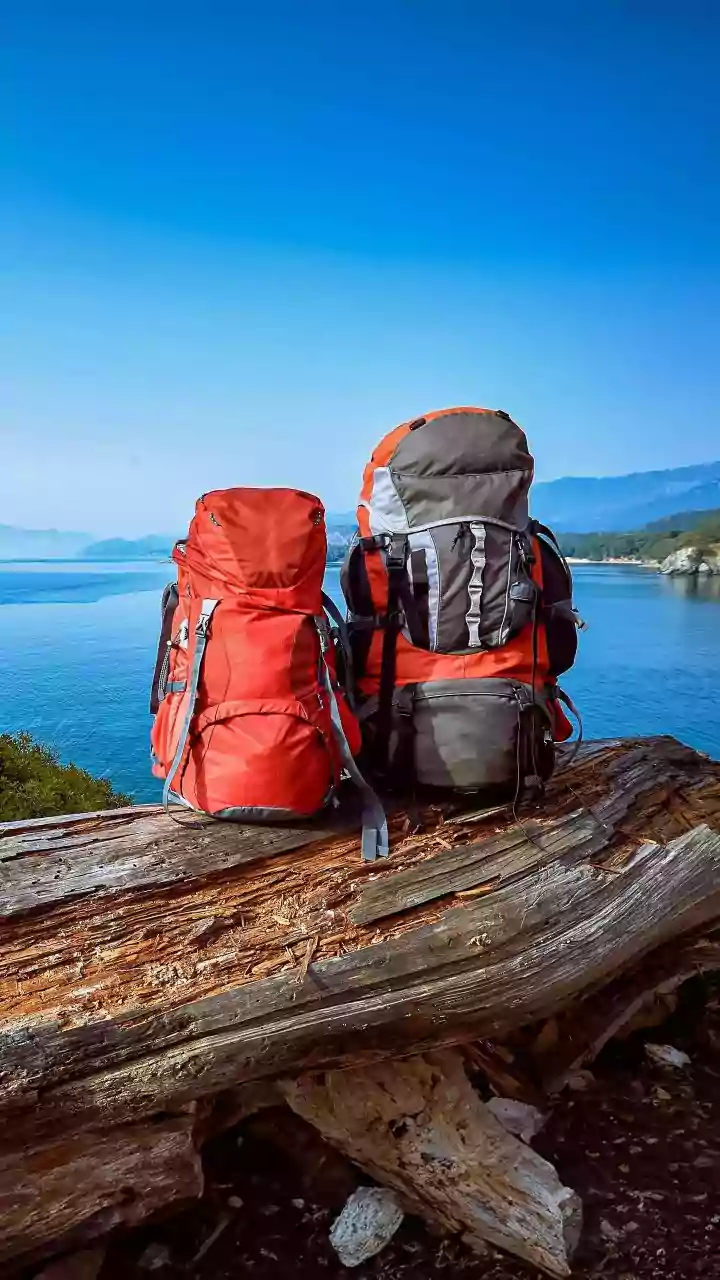
Ensuring your backpack's contents remain dry is a primary concern. A simple and effective method is to line the inside of your rucksack with a large, heavy-duty plastic bag before packing your things. Then, use a waterproof rain cover on the outside. For your electronics like your phone, camera, and power bank, use smaller waterproof pouches or ziplock bags. It’s a good practice to double-bag these sensitive items. A small, quick-dry towel is also a valuable addition, useful for wiping down gear or yourself after a sudden shower.
Essential Gear and Safety Items
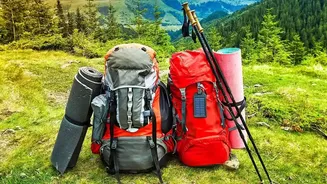
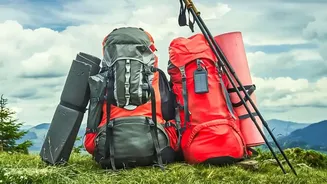
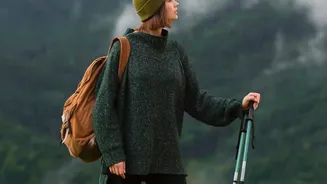
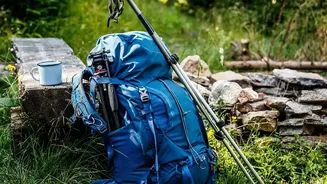
Beyond clothing, a few key pieces of gear will enhance your safety and comfort. A trekking pole is invaluable for maintaining balance on slippery descents and stream crossings. A headlamp with extra batteries is essential, as mist and dense tree cover can reduce visibility, and you might find yourself trekking in low light. Always carry a well-stocked first-aid kit with essentials like antiseptic wipes, bandages, pain relievers, and any personal medications. For monsoon treks specifically, add insect repellent and a small pouch of salt or a sanitiser spray, which are effective for removing leeches. High-energy snacks like nuts, dried fruits, and energy bars are perfect for quick fuel on the go.
Dealing With Leeches
Leeches are a common, though largely harmless, part of monsoon trekking in many regions. Prevention is the best approach. Wear long pants tucked into your socks and consider using leech-proof socks. Applying an insect repellent containing DEET can also deter them. If you do find a leech on you, don't panic or try to pull it off forcefully, as this can cause its mouthparts to remain in your skin. Instead, use a fingernail to break the suction at its head, or apply salt, sanitiser, or a diluted antiseptic solution to make it detach. After it falls off, clean the wound with an antiseptic and apply a bandage if it's bleeding.