








The Tyranny of the Packed Itinerary
Many travellers fall into the trap of treating holidays like a to-do list, creating jam-packed itineraries to see and do as much as possible. This approach, often called 'fast travel', involves fitting a large number of places into a small number of days.
The constant pressure to move—checking in and out of hotels, rushing for flights, and spending hours on buses or trains—can lead to decision fatigue and travel burnout. This is a state of physical and mental exhaustion where the excitement of exploring fades, replaced by a feeling of being overwhelmed and disconnected from the adventure. Instead of creating cherished memories, the trip becomes a blur of logistical challenges.
Reclaiming Your Time and Energy
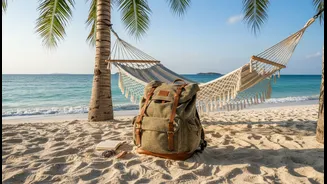
The antidote to this frantic pace is 'slow travel'. This philosophy celebrates staying in one place longer and taking the time to fully appreciate its culture and character. By minimising transit, you save more than just time; you conserve precious mental and physical energy. Fewer transit days mean less packing and unpacking, fewer logistical hurdles to manage, and more time for rest and relaxation. This slower pace allows you to settle into a new environment, establish a comfortable routine, and reduce the stress that comes from constant movement and a lack of routine. The end result is a trip that feels genuinely restorative, not exhausting.
The Joy of Immersive Experiences
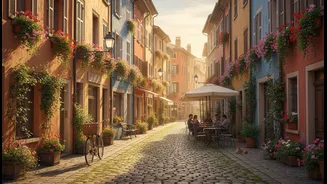
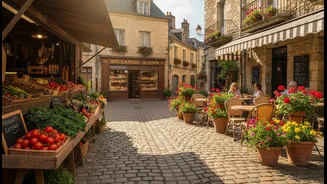
Staying in one location unlocks a deeper, more meaningful way to travel. Instead of just observing landmarks from a distance, you have the opportunity to engage with the local culture on a more personal level. This is the core of immersive travel: connecting with the people, culture, and everyday life of a destination. You can discover hidden gems off the main tourist track, build a rapport with the owner of a local café, or learn a few phrases in the local language. These immersive experiences create lasting memories and a richer understanding of the world that you simply can't get when rushing from one city to the next.
Practical Steps for a Slower Trip
Adopting a slow travel mindset is easier than it sounds. Start by choosing a central 'home base' for your trip instead of booking multiple hotels. Consider spending at least three or more nights in each location to avoid the feeling of constantly being on the move. Most importantly, build free time into your schedule. Plan for 'zero days' where you have no set activities, allowing for spontaneity, rest, or simply wandering without an agenda. Prioritise the quality of your experiences over the quantity of places you visit. Remember that you can always return to a region; you don’t need to see everything in a single trip.
A Shift in Vacation Values
Ultimately, embracing a less transit-heavy trip is about shifting your perspective on what makes a vacation valuable. Is it about the number of countries you can tag on social media, or is it about the genuine connections and moments of discovery? Slow travel encourages us to measure a trip by its depth, not its breadth. It fosters personal growth, cultural understanding, and a greater sense of well-being. By slowing down, you give yourself the gift of a truly restful break, returning home not just with photos, but with a renewed sense of energy and a collection of meaningful stories.