




The Promise of Perpetual Freshness
Imagine reaching for a handful of fresh, fragrant basil for your pasta sauce, snipping vibrant cilantro for tacos, or muddling crisp mint for a mojito—all without leaving your kitchen. This isn't a scene from a sun-drenched Italian villa; it's the reality
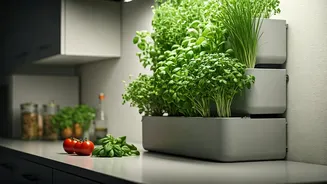
offered by smart indoor hydroponic kits. For anyone living in an apartment, dealing with harsh winters, or simply lacking a green thumb, these countertop gardens are a game-changer. They solve the eternal problem of store-bought herbs: they're expensive, often lack potent flavor, and seem to go bad the second you bring them home. A countertop garden promises a steady, accessible supply of high-quality herbs, transforming your cooking from routine to remarkable.
How Hydroponics Works (Without the Dirt)
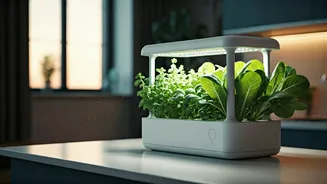
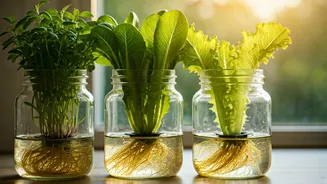
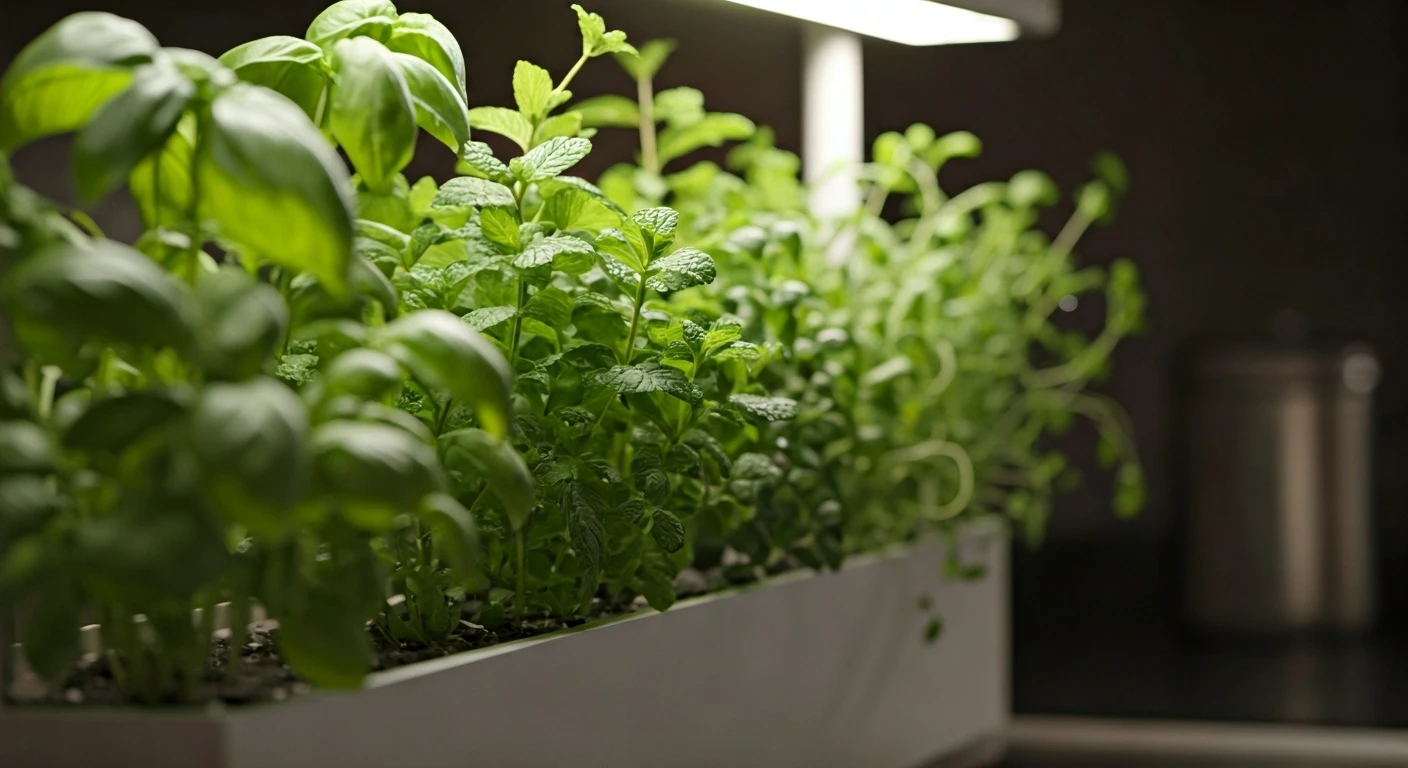
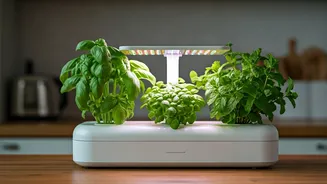
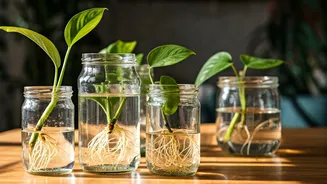
The magic of these kits lies in hydroponics, a method of growing plants without soil. Instead of pulling nutrients from the earth, the plants’ roots are suspended in a water-based nutrient solution. A typical smart kit simplifies this science into a plug-and-play system. It consists of a water reservoir, pre-seeded pods (often made of peat or coco coir), and a built-in, full-spectrum LED grow light. You simply fill the reservoir with water, add a capful of liquid plant food, pop in the seed pods, and turn it on. The system automates the rest. A small, quiet pump circulates the oxygenated, nutrient-rich water, while the powerful LED light mimics the sun, providing the energy your herbs need to thrive, even in a windowless corner of your home.
Key Features to Look For
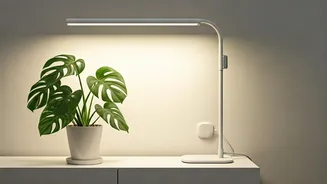
While most kits operate on the same principles, a few features distinguish them. First, consider the size and number of pods. Are you looking to grow a trio of essential herbs or an entire salad bar? Kits can range from holding three pods to over a dozen. Second, check the power and adjustability of the LED grow light. A more powerful light (measured in watts) leads to faster, bushier growth. An adjustable arm that can be raised as plants grow is crucial to prevent scorching the leaves. Finally, look for smart features. Many modern units have automatic timers for the lights and send reminders to your phone when it's time to add water or nutrients, taking virtually all the guesswork out of gardening.
Your First Countertop Crop: The Easy Wins
While you can grow everything from cherry tomatoes to peppers in larger systems, starting with herbs is the best way to guarantee a quick, satisfying victory. These are the easiest and most rewarding for beginners:
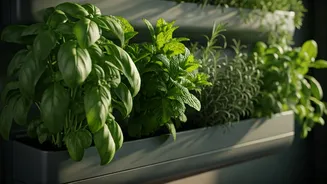
- **Basil:** The undisputed champion of countertop gardens. It grows quickly, prolifically, and the taste is leagues better than anything from a store.
- **Mint:** Almost foolproof. It grows so vigorously you’ll have a constant supply for teas and cocktails. Keep it contained, as it’s notoriously invasive even in hydroponics.
- **Parsley:** Both flat-leaf and curly varieties do exceptionally well. It’s a versatile kitchen staple that bounces back quickly after harvesting.
- **Chives:** Another easy win. They require minimal attention and provide a steady supply of mild onion flavor for eggs, potatoes, and salads.
What to Expect: Low-Maintenance, Not No-Maintenance
The “smart” label can be misleading. While these kits handle the heavy lifting of lighting and watering cycles, they aren’t “set it and forget it” appliances. Your primary job is to keep the reservoir topped off with water, which can be as often as every few days for thirsty, mature plants. Every two weeks, you’ll need to add the liquid nutrient solution that came with your kit. You’ll also want to prune your herbs regularly—not just for cooking, but to encourage fuller growth and prevent taller plants from blocking light to smaller ones. This minimal effort, just a few minutes a week, is a tiny price to pay for an endless supply of fresh flavor.