



An Unmistakable Monsoon Signal
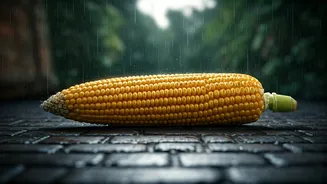
You know the season has truly turned when the bhutta-wallahs appear. Their arrival is as reliable a monsoon marker as the first waterlogged street or the sudden proliferation of umbrellas. The glowing embers of their small grills cut through the grey,
misty air, sending up plumes of fragrant smoke that promise warmth and flavour. The rhythmic fanning of the coals, the sizzle of corn kernels charring to a perfect black-and-gold, the swift, expert slash of a lime dipped in masala—it’s a multi-sensory performance that plays out on countless street corners across the country. This isn't just a snack; it's theatre. It’s the official opening ceremony for the season of downpours, long drives, and curling up with a good book while the rain drums against the window.
The Beauty of Simplicity
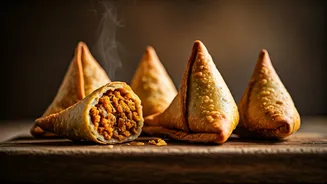
The headline calls it a 'low-drama win,' and that’s precisely what it is. In a world of complex, ten-step recipes and finicky ingredients, corn is refreshingly straightforward. There's no elaborate preparation required from you, the consumer. You find your vendor, you point to your preferred cob (not too thin, not too plump), and you wait. The drama is outsourced to the expert managing the flames. Unlike other monsoon cravings that might involve deep-frying (pakoras) or careful assembly (samosa chaat), bhutta is elemental. It’s a vegetable, fire, and a few key spices. This simplicity makes it accessible and easy to love. It doesn't demand much from you, but it delivers an enormous amount of satisfaction, making it the perfect antidote to the traffic jams and logistical headaches the monsoon can also bring.
A Surprisingly Healthy Choice
Let’s be honest: most of our beloved rainy-day snacks aren't exactly on the 'healthy' side of the spectrum. That’s where corn pulls off another victory. Roasted corn is packed with dietary fibre, which is great for digestion. It also contains a decent amount of antioxidants, vitamins, and minerals. When roasted or steamed, it retains much of its nutritional value without the added calories from oil. Of course, slathering it in butter adds to the indulgence, but even with a generous squeeze of lime and a dusting of salt and chilli, it remains a relatively guilt-free pleasure. It’s that rare snack that satisfies a craving for something warm, savoury, and crunchy without making you feel like you need a nap immediately afterwards. It fuels you for a walk in the rain, rather than sending you to the sofa.
The Versatile Champion
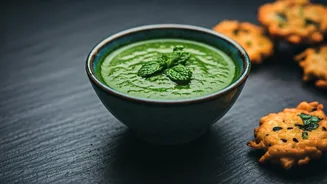
While the classic bhutta—roasted over coals and seasoned with nimbu-masala—is the undisputed king, corn’s monsoon reign extends much further. Its versatility is part of its charm. For those who prefer a softer bite, there’s the boiled version, served in a cup and mixed with butter, salt, and pepper. Then there are the countless chaat variations: sweet corn chaat with chopped onions, tomatoes, and tangy chutneys, offering a burst of fresh, vibrant flavours. Let's not forget corn pakodas or fritters, where kernels are mixed into a spiced batter and deep-fried to crispy perfection. At home, steamed corn on the cob becomes a blank canvas for any flavour you desire. This adaptability ensures that no matter your preference, there’s a corn-based monsoon treat waiting for you.
A Unifying Thread of Joy
Perhaps the most beautiful thing about monsoon corn is its power to connect us. It's a truly democratic food. From a CEO in a luxury sedan rolling down their window to buy a cob to a group of college students huddled under a shop awning, the appeal is universal. It transcends class and age, creating a shared cultural moment of simple joy. The act of eating bhutta is a tactile, slightly messy affair that forces you to be present. You can't scroll on your phone while expertly rotating a hot cob. You have to engage with the food, with the moment, and often, with the people you’re sharing it with. It’s a memory-maker, evoking childhoods spent watching the rain and a sense of collective comfort that few other foods can offer.