




A Symphony of Green and Water
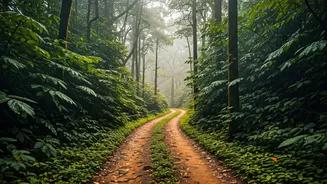
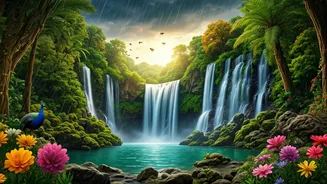
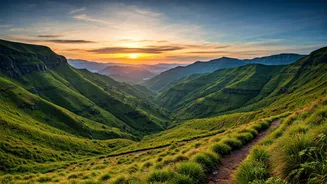
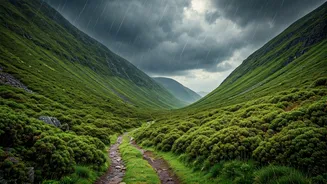
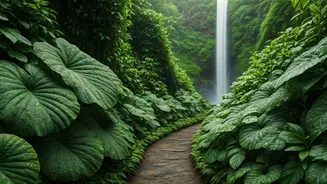
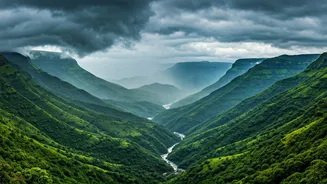
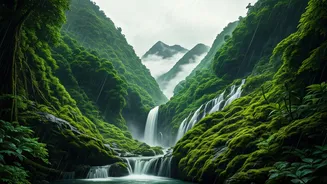
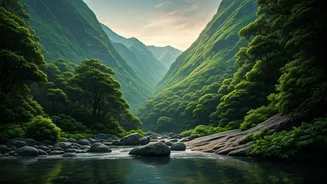
When the first rains drench the Sahyadri range, the transformation is breathtaking. The hills shed their summer brown for a thousand shades of vibrant green. Streams that were mere trickles swell into powerful rivers, and dormant waterfalls cascade down
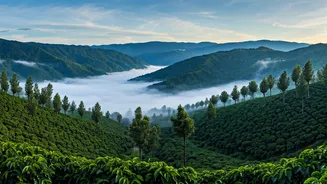
mountainsides with a thunderous roar. Locations like Chikmagalur and the ghats of Maharashtra become a paradise for travellers seeking to witness this raw natural theatre. The air is thick with the smell of wet earth and alive with the sounds of countless insects and frogs, a symphony that signals life renewed. This sensory overload is the 'cinematic' promise of the Ghats—an ecosystem at its most intense and visually stunning.
The Fragility Beneath the Beauty
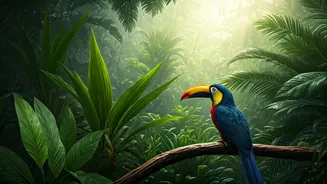
This dramatic landscape is also a designated UNESCO World Heritage site and one of the world's eight 'hottest hotspots' of biological diversity. The range is home to thousands of plant and animal species found nowhere else on Earth, including the iconic Lion-tailed Macaque and Nilgiri Tahr. The monsoon that gives the region its lushness is the very source of its vitality, nourishing everything from unique Myristica swamps to the countless amphibians that emerge to breed. However, this vibrant ecosystem is incredibly delicate. The intense rainfall puts immense pressure on the land, and the health of these forests is crucial for regulating the monsoon patterns that sustain millions of people across India.
When the Hills Give Way
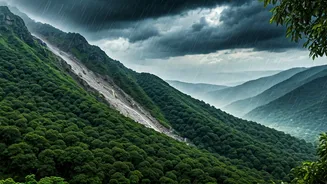
The most visible complication of the monsoon is the danger of landslides. After days of relentless rain, soil on the steep slopes becomes saturated and heavy, leading to catastrophic collapses of earth and rock. These events are a natural part of the geological process but have been dangerously amplified by human activity. Unregulated construction, deforestation for plantations, road-cutting, and quarrying destabilise the slopes, making them more susceptible to failure during heavy downpours. For communities living in the path of these landslides, the cinematic rain becomes a source of dread, capable of washing away homes and lives in an instant.
Life in the Balance
For the indigenous tribes and local communities of the Western Ghats, the monsoon is a season of duality. It is essential for agriculture, replenishing the rivers and ensuring water for crops like coffee and paddy. Yet, it can also isolate villages for weeks, cutting off access to markets and essential services. Life adapts to the rhythm of the rain, but it's a precarious balance. The rise in monsoon tourism has created a 'rain economy' in some areas, with homestays and nature guides offering experiences like firefly festivals and frog-watching walks. This provides new livelihoods but also brings the risk of unregulated tourism further pressuring the fragile environment.
A Contested Path Forward
The 'complicated' nature of the Ghats is at the heart of a long-standing debate over its future. For years, expert panels have tried to balance conservation with development. The Madhav Gadgil committee report in 2011 recommended strict regulations, suggesting much of the Ghats be declared an Ecologically Sensitive Area (ESA). This was met with resistance from states, leading to the K. Kasturirangan committee, which proposed a less stringent approach, designating about 37% of the area as ESA. This ongoing conflict highlights the central challenge: how to protect this vital, fragile landscape without undermining the livelihoods of the people who call it home. The choice is between short-term economic gains and long-term ecological stability.