




When the AQI outside is grim, we instinctively want to create a clean-air sanctuary inside. Many of us look to our leafy houseplants as natural purifiers, but is that faith well-placed? Let’s separate the green myth from the scientific reality.
The Myth: A Jungle in Your Living Room for Pure Air
The belief
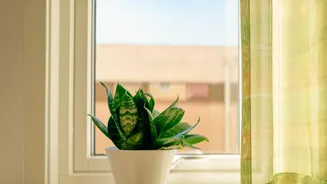
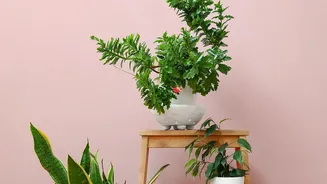
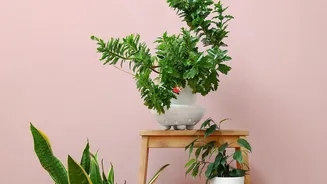
that houseplants are silent, green workhorses scrubbing our indoor air clean is incredibly popular. This idea was largely popularised by a 1989 NASA Clean Air Study. The study found that in sealed, lab-like chambers, certain common houseplants could remove a significant percentage of volatile organic compounds (VOCs)—nasty chemicals like formaldehyde and benzene that are common indoors. The results were dramatic, showing some plants could remove up to 90% of specific chemicals from a small, airtight box within 24 hours. This led to countless articles and a widely held belief that surrounding yourself with plants like snake plants, spider plants, and peace lilies is a primary line of defence against indoor air pollution.
The Reality: A Question of Scale
The catch with the NASA study is that our homes and offices are not small, sealed chambers. They are much larger and have constant air exchange from doors, windows, and ventilation systems. More recent analyses have put the original findings into a real-world context, and the results are sobering. A 2019 review concluded that to have a meaningful impact on indoor air quality, you would need an impractically large number of plants. Estimates suggest you would need anywhere from 10 to 1,000 plants per square metre of floor space to compete with a building's natural air exchange rate. For an average 1,500-square-foot home, that could mean having over 680 plants. In short, while plants do remove some pollutants, the rate is so slow in a real-world setting that their effect is negligible compared to simple ventilation.
The Real Benefits of Your Green Friends
So, should you get rid of your plants? Absolutely not. While they may not be the air-purifying powerhouses we hoped for, their benefits are significant and well-documented. Interacting with indoor plants can reduce stress and anxiety, creating a sense of calm and well-being. Studies have shown that the simple act of caring for plants induces physiological and psychological relaxation. Having plants in a workspace can even increase productivity and focus. They add humidity to dry indoor air and, most importantly, connect us with nature, which is especially vital for those living in urban areas with limited access to green spaces. Their value for mental health and aesthetics is immense; they just aren't a substitute for an air purifier.
What Actually Works for Poor AQI
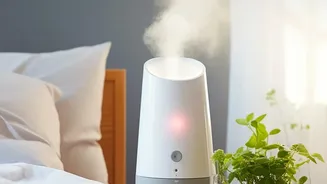
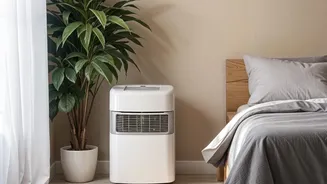
When the outdoor air quality is poor, protecting your indoor air requires more direct methods. The most effective tool is a portable air purifier with a High-Efficiency Particulate Air (HEPA) filter. HEPA filters are designed to capture the fine particles that make up the bulk of air pollution. To maximise effectiveness, choose a purifier rated for your room size and keep windows and doors closed during high pollution periods. Beyond purifiers, regular cleaning is crucial. Dust and mop with damp cloths to trap particles instead of sending them airborne. When you must ventilate, check the local AQI and open windows only when outdoor air quality improves. Finally, minimise sources of indoor pollution by using exhaust fans while cooking and avoiding smoking indoors.