


What Is Iodine and Why Bother?
Think of iodine as the essential raw material for your thyroid gland, the small, butterfly-shaped organ in your neck that acts as your body's master controller. The thyroid uses iodine to produce hormones that regulate nearly everything: your metabolism,
energy levels, body temperature, and even growth and brain development. Without enough iodine, this entire system slows down, a condition called hypothyroidism. Your body cannot make iodine on its own, so it must come entirely from your diet. The recommended daily intake for most adults in India is about 150 micrograms (mcg), a tiny but crucial amount. Pregnant and breastfeeding women need more, around 220-290 mcg, because the mineral is vital for the baby's developing brain and nervous system.
The Deficiency Story in India
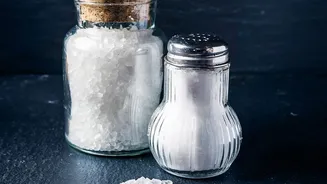
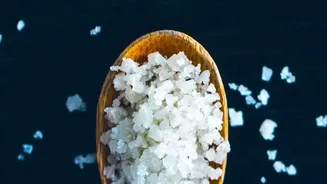
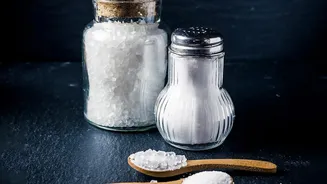
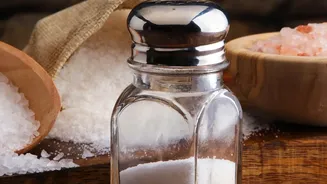
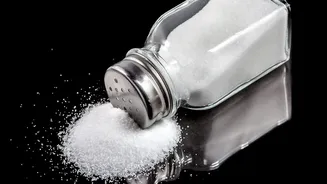
For decades, iodine deficiency was a major public health crisis in India, leading to widespread issues like goitre (a visible swelling of the thyroid gland) and impaired cognitive development in children. To combat this, India launched the National Iodine Deficiency Disorders Control Programme (NIDDCP) in 1962, which evolved to promote Universal Salt Iodisation. This public health initiative has been a remarkable success. Today, over 76% of Indian households use adequately iodised salt, dramatically reducing deficiency-related disorders. While deficiency is now less common, it hasn't disappeared. The modern wellness trend of replacing regular iodised table salt with rock salt (sendha namak) or pink Himalayan salt, which often contain little to no added iodine, can inadvertently put you at risk. Symptoms of low iodine can be subtle and overlap with other conditions, but may include persistent fatigue, feeling cold, unexplained weight gain, dry skin, and brain fog.
Finding Iodine on Your Plate
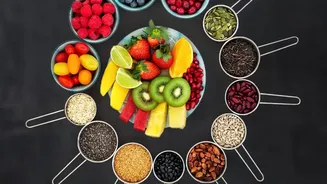
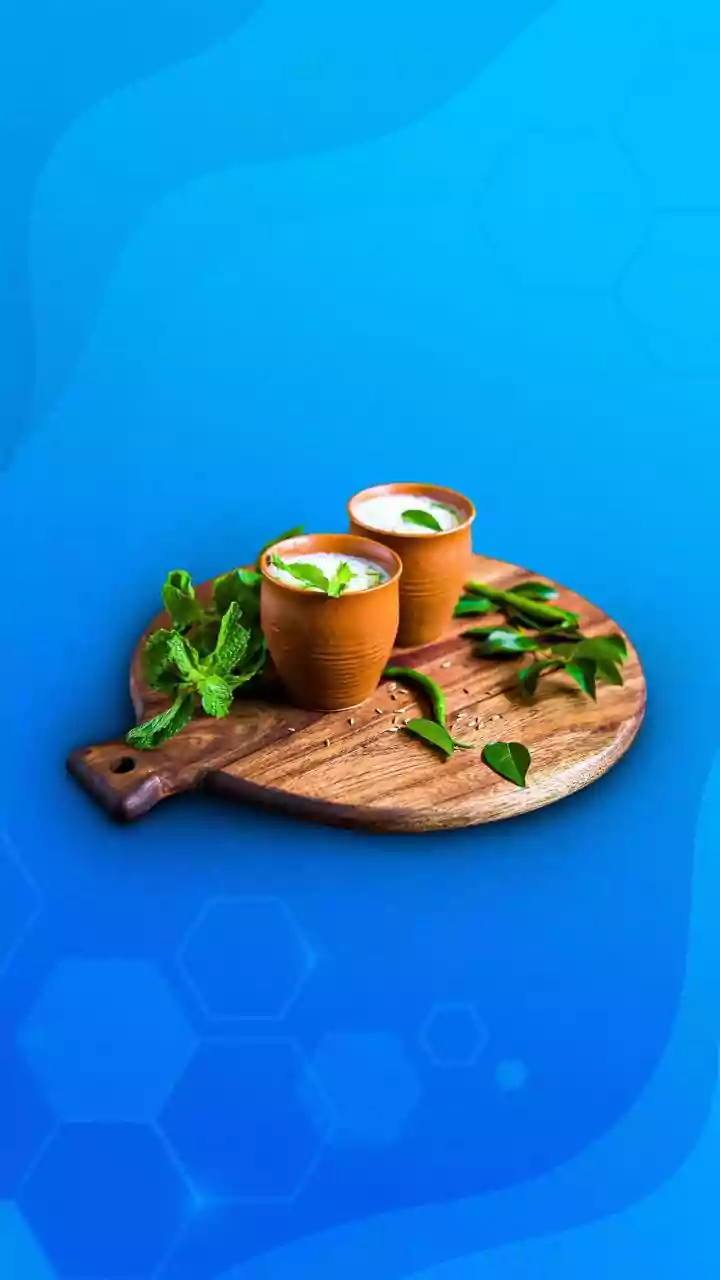
For most people in India, meeting your daily iodine needs is straightforward and doesn't require expensive or exotic foods. The single most important source is iodised salt; using it in your daily cooking provides a reliable foundation. Beyond salt, several common foods are good sources. Dairy products like milk, curd, and paneer are consistent contributors. A single glass of milk can provide a significant portion of your daily requirement. For non-vegetarians, seafood like fish and prawns are among the richest natural sources of iodine. Eggs also provide a helpful amount. Some vegetables and grains contain iodine, but the levels vary widely depending on the soil they were grown in, making them less dependable sources.
The Supplement Aisle Siren Call
The wellness market is flooded with iodine supplements, often in the form of kelp tablets or high-dose liquid drops. These products frequently come with bold claims, promising to boost energy, sharpen metabolism, 'detoxify' the body, and support overall thyroid health. While iodine is essential for these functions, the narrative pushed by many supplement brands suggests that food sources are inadequate and that megadoses are beneficial. This is rarely the case. For the vast majority of people with a balanced diet including iodised salt, supplements are not only unnecessary but can also be risky. The body has a narrow window for what it considers a safe amount of iodine.
The Hidden Risks of Too Much
More is not better when it comes to iodine. While your body is good at handling the amounts found in food, the high concentrations in some supplements can overwhelm the thyroid. Paradoxically, excessive iodine intake can lead to some of the same problems as deficiency, including hypothyroidism, by triggering a protective shutdown mechanism in the gland. In some individuals, high doses can also provoke an overactive thyroid (hyperthyroidism) or trigger autoimmune thyroid conditions like Hashimoto's disease. Symptoms of iodine toxicity can range from a metallic taste, nausea, and diarrhoea to more severe issues like heart palpitations, anxiety, and in rare acute cases, delirium or shock. Many people who feel worse after starting high-dose iodine supplements may actually be experiencing signs of toxicity, not a 'detox reaction'.