



The Unsung Heroes of the Thali
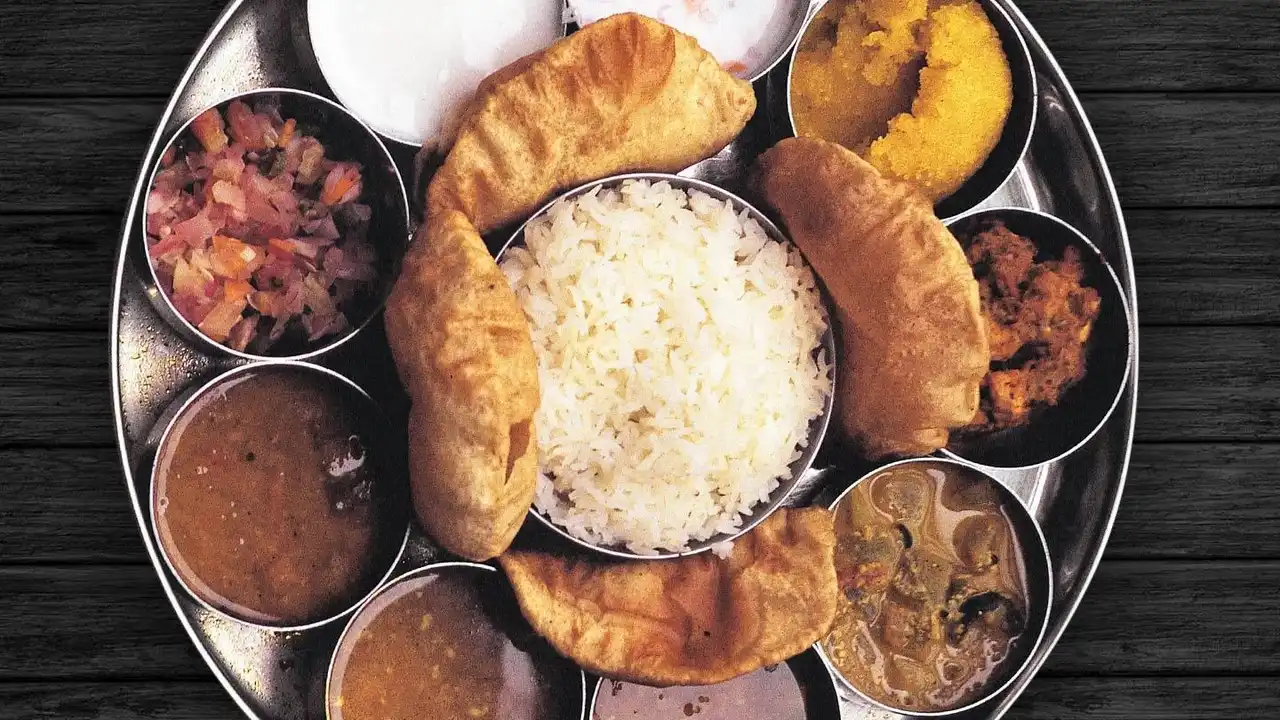
An Indian thali is a map of flavours, but it is the small bowls and potent smears of chutneys, pickles, and powders that often provide the most direct route to a region's heart. These condiments, or 'chatni' and 'achaar,' are not mere afterthoughts; they
are culinary heirlooms. Crafted from ingredients wrested from the local soil and climate—be it fiery chillies, pungent mustard, or earthy lentils—they offer a lesson in how necessity, ingenuity, and tradition can create something truly distinctive. They are the keepers of preservation techniques like fermenting, sun-drying, and pickling, developed over centuries to make fleeting seasonal bounty last through the year.
Bengal's Pungent Kasundi
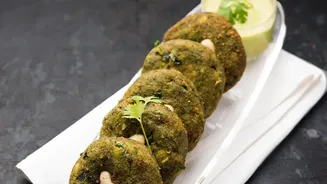
Travel east to Bengal, and you will encounter Kasundi, a fermented mustard sauce so pungent it can feel like wasabi’s formidable older cousin. Traditionally, making Kasundi was a highly ritualised affair, reserved for elite households and governed by strict rules of purity and timing. It was prepared after the winter mustard harvest, with the entire process beginning on an auspicious day. Made from finely ground mustard seeds, spices, and sometimes raw mango, this golden-hued relish has a sharp, fiery kick that cuts through rich foods. While once paired sparingly with greens, today it is a beloved dip for fried snacks, breathing new life into everything from fish cutlets to vegetable chops and giving Bengali cuisine one of its most defining flavours.
The Fermented Heart of the Northeast
In Nagaland, the air is often filled with the powerful, earthy aroma of Axone (pronounced 'Akhuni'). This fermented soybean product is the soul of Naga cuisine, lending a deep, umami-rich flavour that is unmistakable. Its origins lie in the Naga tribes' deep connection with nature and the need to preserve food. Soybeans, which thrive in the region's climate, are boiled, wrapped in banana leaves, and left to ferment near a fireplace, a process that can take days or weeks. The result is a sticky paste or cake with a potent smell that locals cherish. Axone is the foundational flavour in many signature dishes, most notably smoked pork with axone, where its savoury depth transforms the meal into a profound cultural statement.
Southern India's Dry Powder Magic
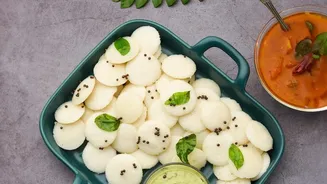
In South India, culinary magic is often found in dry form. Podis, also known as 'gunpowder', are coarse powders made from a base of roasted lentils, dried chillies, and spices. Walk into any South Indian kitchen, and you will find jars of these fragrant mixes ready to transform a simple meal. A spoonful of Milagai Podi mixed with sesame oil or ghee becomes an explosive dip for idlis and dosas. Paruppu Podi, a milder lentil-based powder, offers comfort when mixed into hot rice. Karuveppilai Podi, made from aromatic curry leaves, provides a distinctive herbal warmth. Each podi is a testament to the region's reliance on lentils and spices, offering a quick, nutritious, and incredibly flavourful way to enhance any meal.
A Journey in a Jar
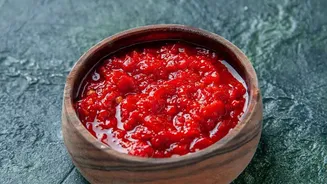
From the sweet, sour, and spicy Gujarati Chhundo, a sun-cooked mango preserve that captures summer in a jar, to the fiery Chamba Chukh of Himachal Pradesh, a chilli paste smoked and cured in mustard oil, the story is the same. Chhundo is traditionally made by letting grated raw mango and sugar mature in the harsh summer sun for days until it becomes a translucent, syrupy relish—a perfect balance of flavours designed to last the entire year. Meanwhile, Chamba Chukh gets its complex heat from local mountain chillies and citrus extract, creating a flavour profile inseparable from its remote Himalayan origins. These condiments are not just food; they are edible archives.